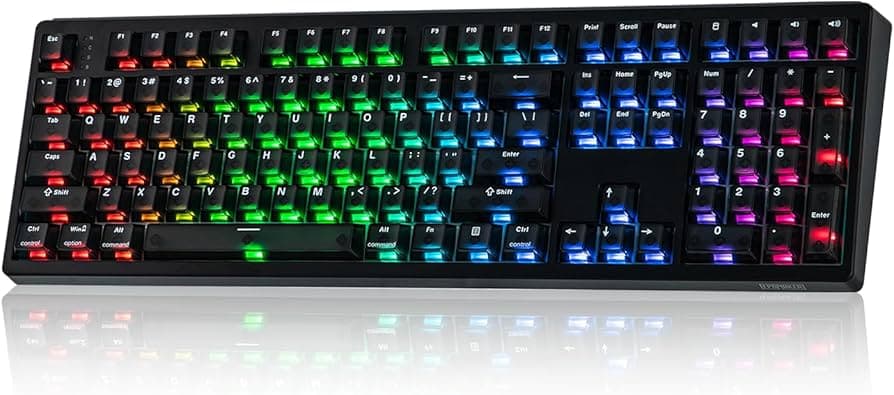
QwertyKeys debuts QK100 Mk2 wireless 1800-style aluminum keyboard
QwertyKeys' QK100 Mk2 brings an aluminum 1800 layout, tri-mode wireless and retro styling to the near-full-size space at $219.
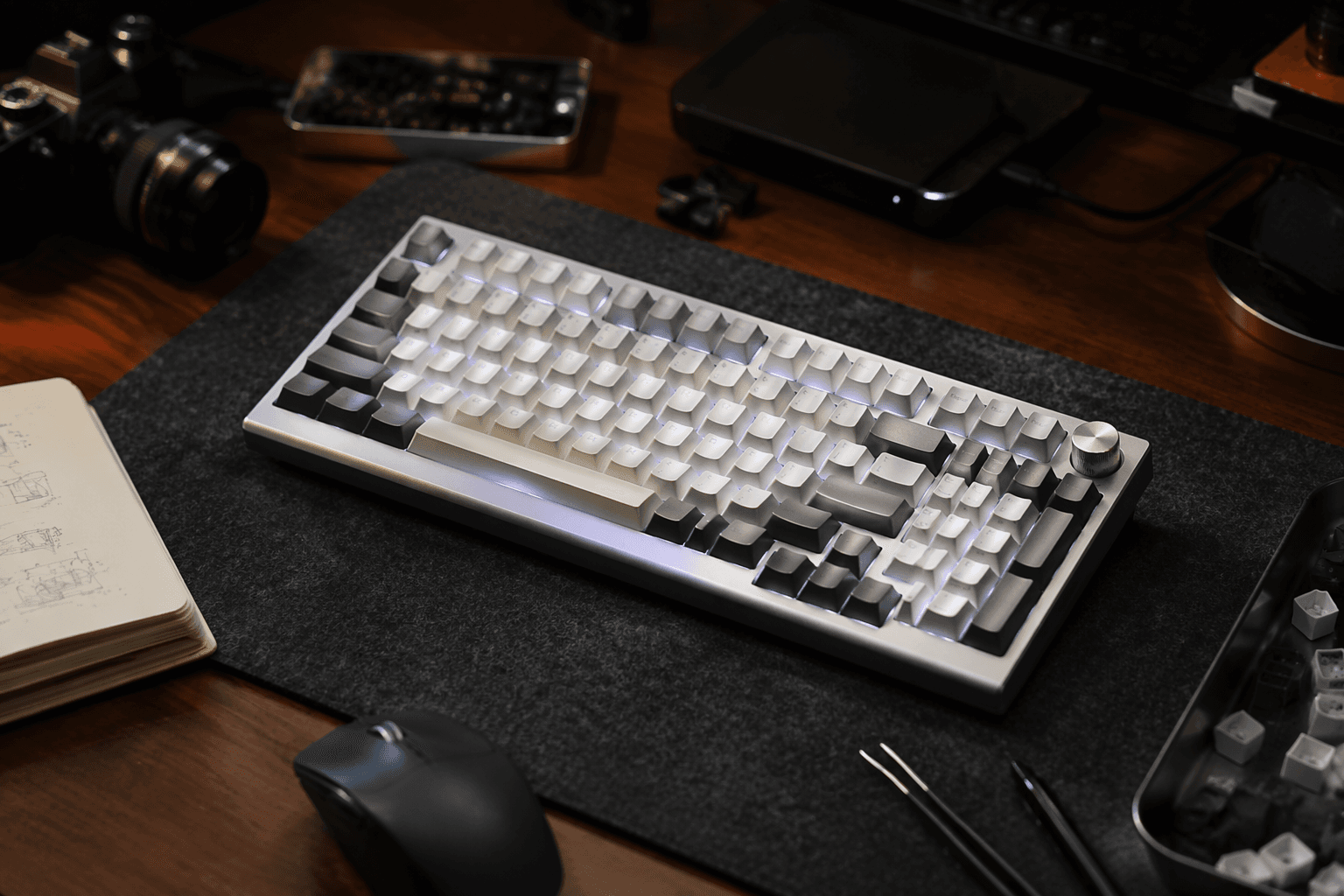
QwertyKeys has introduced the QK100 Mk2, a wireless mechanical keyboard built around an 1800-style layout that keeps the numpad and most everyday keys while trimming the extra width that turns many buyers away from full-size boards. The aluminum-bodied board is slated to ship on July 24, 2026, with an MSRP of $219.
That price puts the QK100 Mk2 in the upper-midrange enthusiast tier, where buyers usually weigh typing feel, wireless convenience and desk footprint against the cost of moving up from a 96% board. The appeal here is straightforward: function row, navigation cluster and numpad utility without the bulk of a traditional full-size layout.
QwertyKeys is positioning the QK100 Mk2 as a more accessible sibling to the boutique metal-board products associated with Owlab, and the tri-mode connectivity gives it a broad use case across gaming, office work and everyday desktop use. The aluminum case points to the sturdier feel and sound profile that custom-inspired boards have trained hobbyists to expect, while the design’s “functional retro touches” give the release a deliberately collectible edge.
That mix lands at a moment when the near-full-size board is quietly regaining attention from users who do not want to give up a numpad just to save space. In the 1800-style category, every key matters, but so does the shape of the board on the desk, and QwertyKeys is betting that practical layouts can still feel special enough to build around.
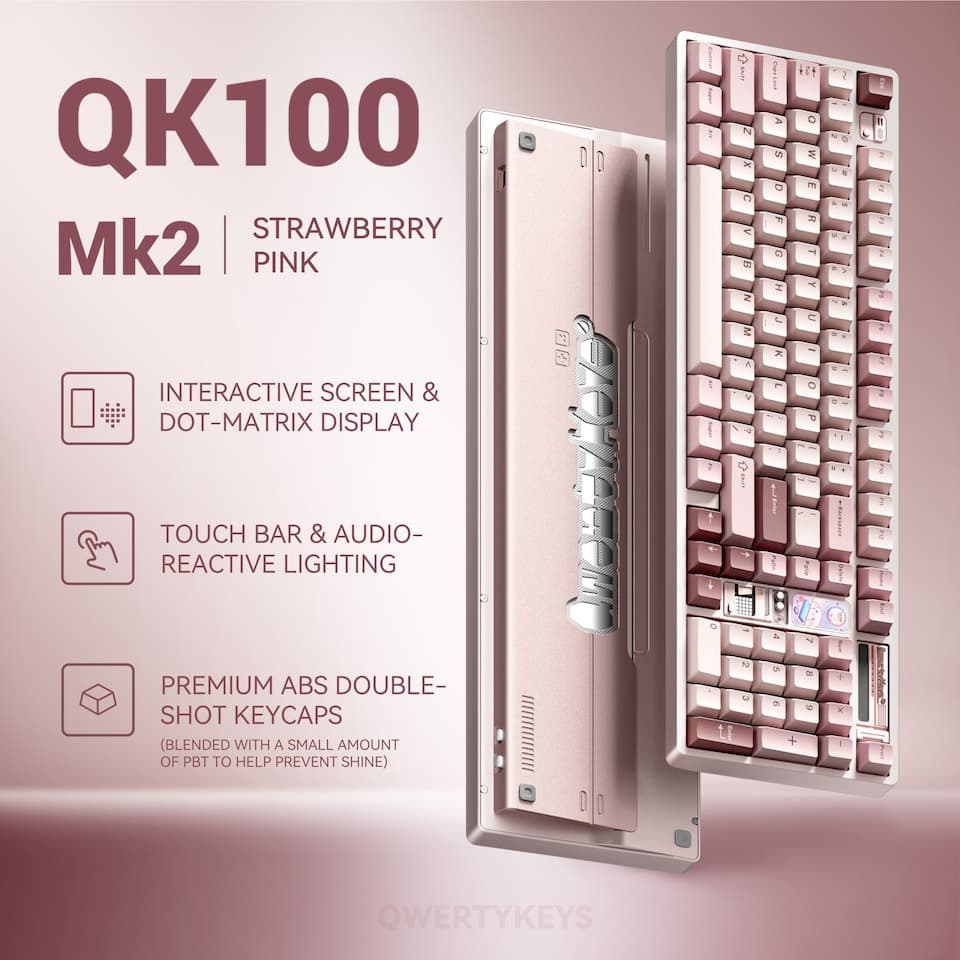
At $219, the QK100 Mk2 will be judged against a crowded field of 96% and 1800-format alternatives, not as a novelty, but as a daily driver. The real test is whether its layout, aluminum build and wireless flexibility make the larger form factor feel worth choosing again.
This article was produced by Prism’s automated news system from verified source data, official records, and press releases, then run through automated quality and moderation checks before publishing. The system is built and supervised by the people who set the standards it runs under. Read our full AI policy.
Did this article answer your question?