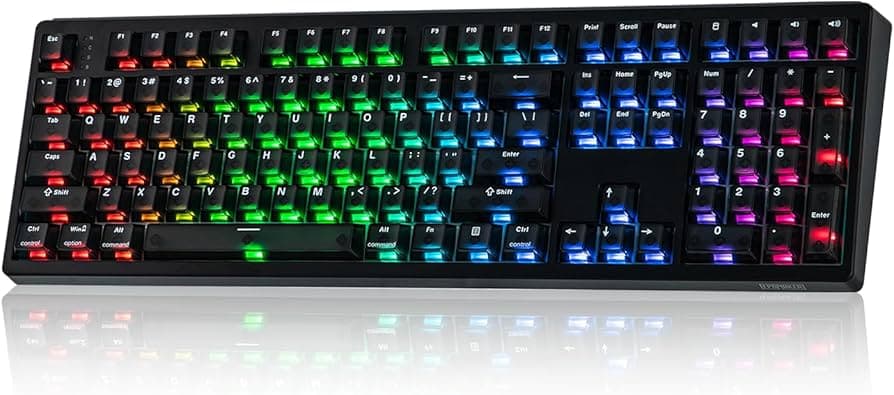
TechRadar praises Epomaker P65 sound, but criticizes its app and angle
Epomaker’s P65 lands hard on sound and build, but its clunky app and fixed angle keep it from being an easy 65% recommendation.

The Epomaker P65 makes its case the old-fashioned way: with a strong stock sound, solid build quality and a compact 65% layout that should appeal to anyone chasing desk space without going full bare-bones. Alex Berry’s review put the keyboard in a familiar enthusiast sweet spot, where acoustics and typing feel can outweigh a lot of spec-sheet noise, but only if the rest of the package keeps up.
That is where the P65 starts to slip. Berry praised the board’s acoustics and construction, but called out two pain points that matter every day: a clunky app and a fixed typing angle. For a wireless board in 2026, that is a sharper compromise than it first sounds. A 65% keyboard already asks users to give up dedicated function keys and navigation clusters; if the software is frustrating and the wrist position cannot be adjusted, the board has to win back trust with pure typing feel. The P65 clearly tries to do that, but it does not erase the tradeoff.
The timing also matters. Epomaker’s P65 manual page was added on March 28, 2025, which shows the board had already been in circulation well before Berry’s May 19, 2026 review. By then, the compact-keyboard field around it had gotten crowded with feature-heavy alternatives. Epomaker’s own lineup includes models such as the AULA F65 and the F75 series, which lean on gasket mounts, hot-swap sockets, knobs and large batteries. In that context, the P65 reads as a more stripped-down option, aimed less at customization and more at getting stock sound and feel right out of the box.

Epomaker’s broader branding helps explain the emphasis. The company says it designs and tests its keyboards in a dedicated Sound Lab, and it markets the brand around sound and feel. That pitch fits the P65 well enough on the acoustics front, but it also raises the bar, because the rest of the experience has to match the promise. When the software feels clunky and the angle is locked in place, the board becomes a simpler question: is good factory tuning enough to beat a more moddable, more ergonomic rival?
That is the real value test here. The P65 sounds like a board built for the first impression, but enthusiasts shopping a 65% today will still compare it against gasket-mounted, hot-swap-friendly, firmware-friendlier options that leave more room to grow.
This article was produced by Prism’s automated news system from verified source data, official records, and press releases, then run through automated quality and moderation checks before publishing. The system is built and supervised by the people who set the standards it runs under. Read our full AI policy.
Did this article answer your question?