Tom's Guide rounds up the best mechanical keyboards with numpads
Tom's Guide's numpad roundup is built for full-size holdouts, mixing budget boards, Hall Effect picks, and pricier options that protect work speed and muscle memory.
1. Full-size is the point, not the compromise
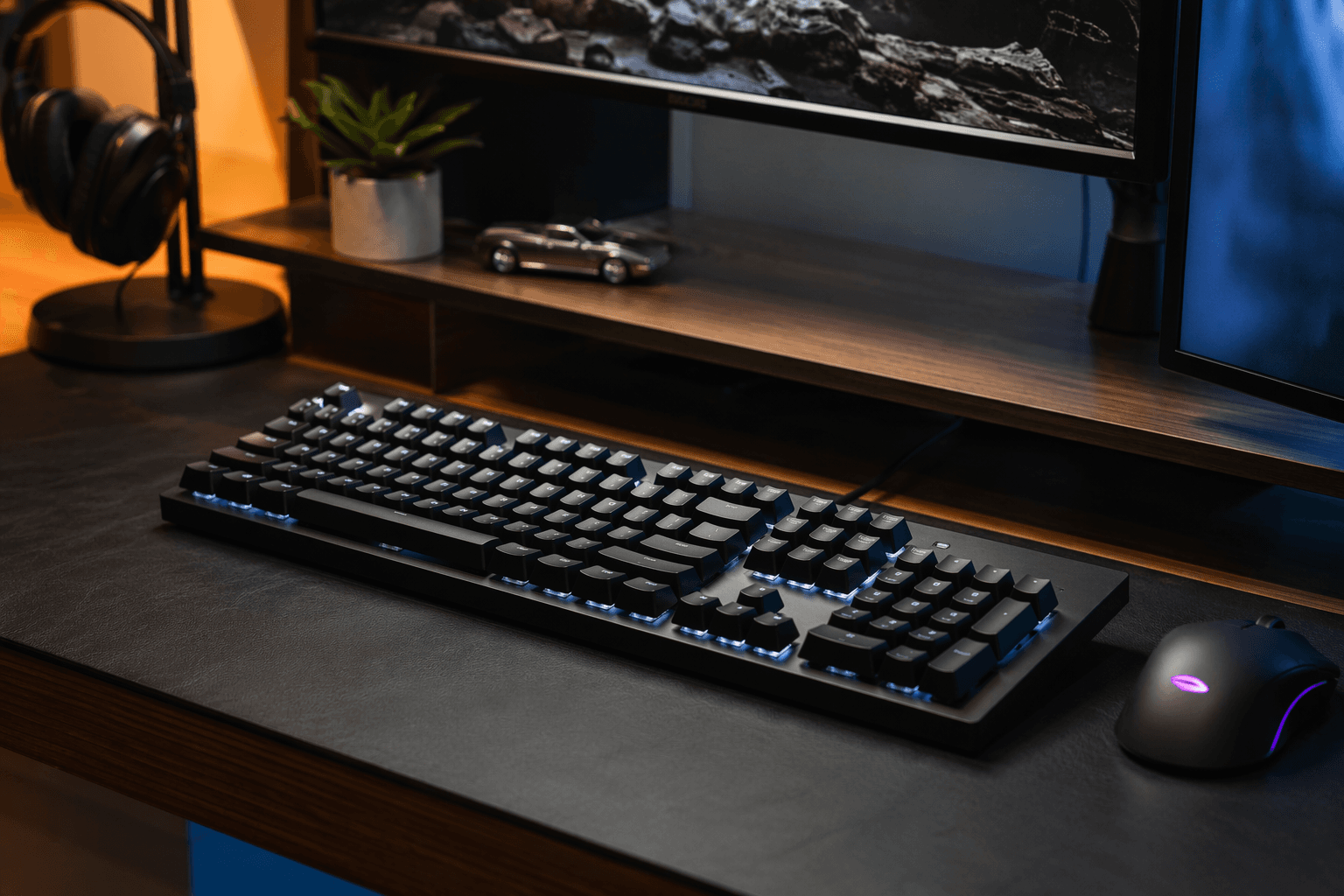
Nikita Achanta’s roundup starts from a simple truth: if you live in spreadsheets, data entry, CAD, macros, or office shortcuts, the numpad is not dead weight, it is a workflow tool. RTINGS makes the same case from the layout side, noting that full-size keyboards keep the numpad while TKL and 75% boards trade it away for more desk space and a closer mouse position.

2. Hall Effect brings gaming performance into the full-size lane
Tom's Guide does not treat this as a pure mechanical-keyboard list, and that matters. By including Hall Effect options, it gives full-size buyers a path into the same competitive features that have made Rapid Trigger such a talking point in shooter and movement-heavy games, especially after Wooting pushed it from a niche idea to a wider audience with the Wooting 60HE.
3. The budget floor keeps the roundup practical
Starting at about $44, the list is not built only for premium desk setups. That low end makes the roundup useful for office replacements, home workstations, and anyone who wants the fastest route back to a familiar layout without paying enthusiast pricing just to get a numpad.
4. The premium ceiling has to earn its space
At the top end, the roundup reaches roughly $259, which puts real pressure on the board to justify its footprint. A full-size keyboard at that level needs more than a numpad, so the value case shifts toward better typing feel, wireless support, hot-swap convenience, and firmware remapping that turns a big board into a serious hobby piece instead of just a larger slab of plastic.
5. Tom's Guide is treating keyboards as a moving target
This numpad-focused guide sits inside a broader Tom's Guide keyboard push, including an under-$120 roundup and a separate best-keyboards update on the publication's keyboards page. That steady testing lane matters because it shows full-size boards being judged alongside every other layout, not parked off as an old-school exception.
The throughline is clear: the numpad survives because some desks still run on numbers, shortcuts, and muscle memory. Tom's Guide gives that workflow a proper full-size lane, then adds Hall Effect, budget, and premium options so the layout earns its keep instead of just taking up space.
This article was produced by Prism’s automated news system from verified source data, official records, and press releases, then run through automated quality and moderation checks before publishing. The system is built and supervised by the people who set the standards it runs under. Read our full AI policy.
Know something we missed? Have a correction or additional information?
Submit a Tip