Turtle Beach KB7 turns a Hall Effect keyboard into a control hub
The KB7 tries to be a Hall Effect keyboard and a desk control center at once. Turtle Beach backs that up with a 4.3-inch touchscreen and a dockable KP7 keypad.

Turtle Beach’s Command Series KB7 pairs Rapid Trigger, adjustable actuation, and 8000 Hz polling with a 4.3-inch Command Touch Display for profiles, macros, audio, and apps. That makes it feel less like a pure typing board and more like a control surface. The real question is whether the touchscreen and modular add-ons do enough useful work to replace a separate macro pad, a small external display, or both.
A Hall Effect board with a bigger job
Turtle Beach launched the Command Series on April 23, 2026 as a new ecosystem of PC gaming keyboards and mice, with the KB7 positioned as the flagship keyboard. The company is clearly betting that buyers want fewer scattered accessories on the desk and more control built into the keyboard itself.
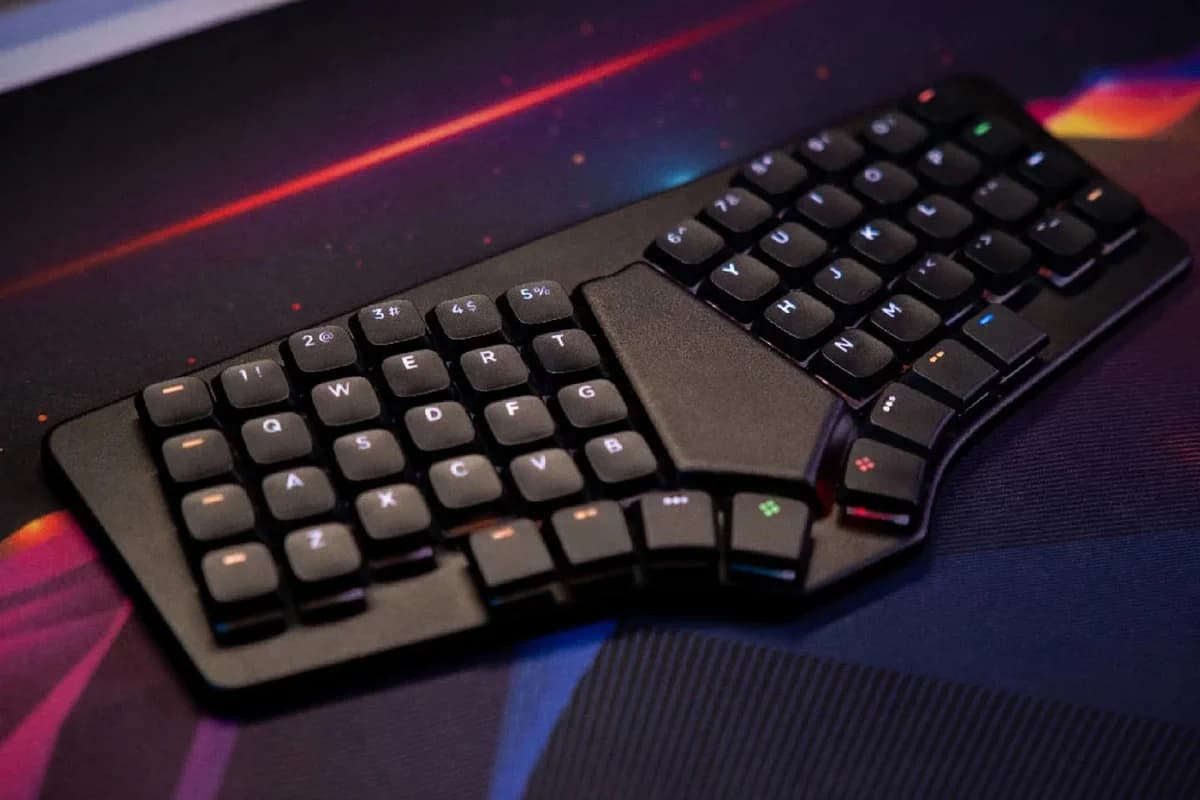
The KB7 still checks the boxes expected from a premium Hall Effect board. It uses Titan low-profile Hall Effect switches rated for 100 million clicks, ships with double-shot PBT keycaps, and sits in a slim aluminum-reinforced chassis with a detachable wrist rest and per-key RGB lighting. Swarm II software ties the board into Turtle Beach’s ecosystem, so the hardware is built for configuration and profile switching rather than just sitting there and registering keypresses.
What the 4.3-inch display is actually for
The Command Touch Display is the feature that separates the KB7 from the growing pile of fast HE boards. The 4.3-inch screen handles profiles, macros, audio, and apps, exactly the kind of shortcut layer streamers and creators actually touch throughout the day. If you are bouncing between game, OBS, Discord, music, and clip management, that is the sort of control that can earn permanent space on the desk.
The catch is that touchscreen features live or die by the software, not the spec sheet. A keyboard display only feels useful if the menus are quick, the profile switching is reliable, and the macro layout is obvious without constant fiddling. That is why the KB7’s biggest advantage is also its biggest risk: if Swarm II feels clumsy, the display becomes decoration. If it works cleanly, it can replace a small external utility screen and reduce the need to keep reaching for a second device.
Why the KP7 changes the value equation
The modular KP7 is where Turtle Beach’s pitch becomes more interesting. It can dock to the KB7 through dual modular rails or work as a standalone keypad, which makes the ecosystem flexible instead of locked to one desk layout. For gaming, streaming, or creative work, that means the KB7 can grow into a tighter control stack rather than forcing every function onto the main board.
Pricing makes the comparison sharper. The KB7 is listed at $199.99 in the United States, while the KP7 is $99.99, putting the full pair at just under $300 before tax. In Canada, Turtle Beach lists the KB7 at C$279.99 and the KP7 at C$139.99, so the modular setup lands at C$419.98. That is not impulse-buy territory, and it is exactly why the KB7 has to justify itself against a conventional Hall Effect keyboard plus a separate macro pad.
For some desks, the modular route makes sense because the keypad lives where it is needed and disappears when it is not. For others, a standard HE board and a cheaper external macro pad will do the same job with less vendor lock-in and less software dependence.
The hardware still has to earn the premium
The KB7 measures 15.71 x 6.85 inches and weighs 1.89 pounds without the palm rest, or 2.47 pounds with it, while the wrist rest itself measures 15.71 x 3.23 inches. That footprint keeps it squarely in TKL territory, but the added wrist rest and display give it more presence than a basic tenkeyless board.
The 8000 Hz polling rate and Hall Effect actuation controls keep it in the same performance conversation as the best modern gaming boards. The KB7 cannot rely on the touchscreen alone. It still has to feel snappy for counter-strafing, quick tap inputs, and the kind of rapid actuation tuning that Hall Effect buyers expect when they pay premium money.
This article was produced by Prism’s automated news system from verified source data, official records, and press releases, then run through automated quality and moderation checks before publishing. The system is built and supervised by the people who set the standards it runs under. Read our full AI policy.
Did this article answer your question?