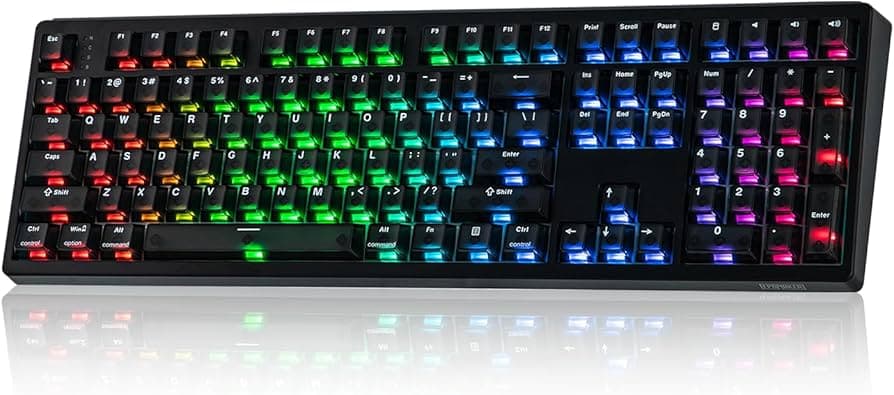
Wooting shows how its Hall effect keyboard switches are made
Wooting's factory tour turns a Hall effect switch into a lesson in sound, travel, and trust. The Lekker Tikken shows why HE boards now feel like a serious category.
Why this Wooting video matters
Wooting has done something keyboard people immediately recognize as catnip: it pulled back the curtain on how one of its Hall effect switches is made. The behind-the-scenes video, published on April 30, 2026, is the sort of modern “How It’s Made” segment that speaks directly to the mechanical-keyboard crowd, with CEO Calder Limmen leading viewers through the Lekker Tikken switch story. It is more than product theater. It is a transparency play aimed at a community that now cares as much about manufacturing discipline as it does about actuation numbers and polling rates.
That matters because Hall effect boards are no longer a fringe curiosity. They sit in the same conversation as mainstream gaming keyboards, enthusiast builds, and premium custom boards, which means the factory process itself has become part of the buying decision. When a company shows how a switch is made, it is also showing how it thinks about consistency, acoustics, and the long-term trust that keeps enthusiasts buying into a platform rather than just a board.
What the Lekker Tikken is trying to solve
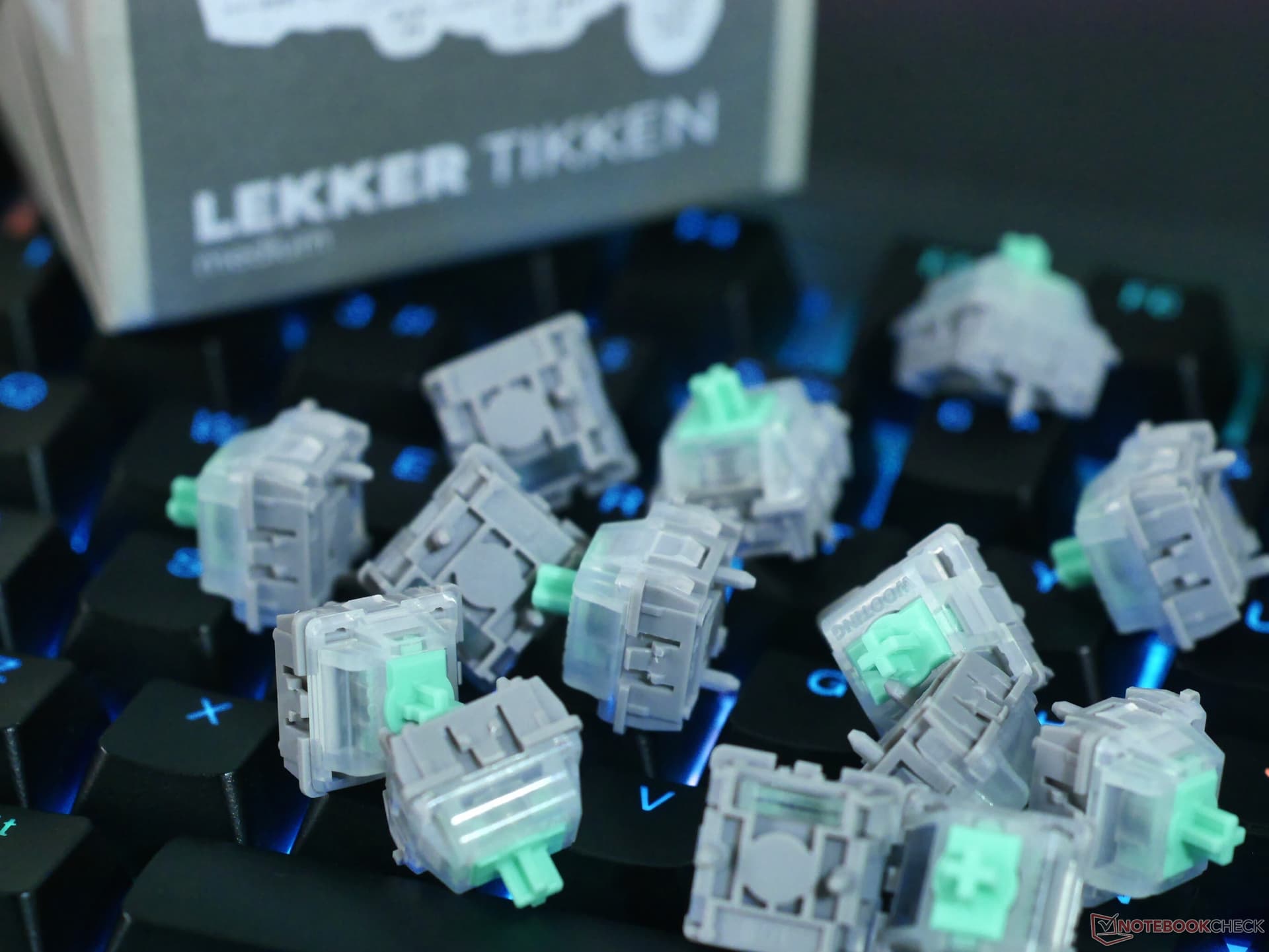
The Lekker Tikken is Wooting’s answer to a familiar HE complaint: many magnetic switches chase speed so hard that they can sound sharp, feel overly bright, or lack character. Wooting says this switch was designed as a slightly muted, deeper-sounding alternative to current HE switches, while still preserving full 4 mm travel. That combination is the key point for buyers, because it shows that Wooting is not treating sound and feel as afterthoughts. It is tuning the switch as a complete experience.
The closed-bottom design is especially important here. Wooting says the Lekker Tikken pairs that closed-bottom build with full 4 mm travel, something it described as an industry first. For enthusiasts, that signals a familiar tradeoff being reworked in a more refined direction: you are not giving up the long key travel many people still prefer, but you are getting a switch architecture built to change the way the bottom-out feels and sounds.
What the factory view tells you about quality
The manufacturing explainer is useful because it turns abstract switch talk into a concrete trust signal. A keyboard maker can promise smoothness, consistency, and calibration all day, but when it opens the doors to production, it is really inviting you to judge whether those promises are built into the process. In Hall effect switches, that matters even more than in a standard contact-based design, because magnetic sensing depends on a clean, repeatable relationship between the switch, the sensor, and the tuning around them.
For buyers, the process points to a few practical takeaways:
- Consistency comes first. If Wooting is willing to show the switch path on camera, it is betting that repeatable production is a strength, not a secret.
- Smoothness is not just subjective. In HE switches, feel is tied to how carefully the parts are put together and how stable the magnetic behavior stays across a batch.
- Calibration matters as much as the hardware. Magnetic keyboards only feel “right” when the switch design and the board’s tuning work together.
- Sound is part of engineering. A slightly muted, deeper profile is not cosmetic, it is the result of design choices that shape bottom-out character and overall perception of quality.
That is why this kind of explainer lands so well with the enthusiast crowd. It translates factory detail into the language people actually use when comparing switches at the desk: Does it feel even? Does it sound clean? Does it stay consistent across the board?
How Wooting got here
The video also makes more sense when you look at where Wooting has been for the last several years. The company says it began exploring alternative input technologies while developing the Wooting two in 2018, and that hall-effect sensors proved very effective and inexpensive for analog input. That is a useful reminder that Wooting did not stumble into the HE space after the fact. It built into it early, when the category was still much easier to dismiss as a niche experiment.
Wooting also says Rapid Trigger first appeared in 2019 on the Wooting two Lekker Edition, before arriving on the Wooting 60HE in 2022, when the gaming community began to recognize how important the feature could be. That timeline is central to the brand’s identity. It explains why Wooting still has outsized credibility in the HE conversation: it did not just adopt the category, it helped define the feature set people now expect from it.
Why the 60HE v2 matters to this story
The manufacturing showcase is not happening in isolation. Wooting frames the Wooting 60HE v2 as a reinvention of the original 60HE, which the company says changed the industry. The new model adds True 8k Polling and an aluminum case, which pushes the platform further into premium territory while keeping Hall effect performance at the center of the pitch. That makes the switch explainer feel less like a side quest and more like a statement of direction.
The Lekker Tikken also arrived in a way that reinforces that message. Wooting said the switches were available globally by October 16, 2025, and that the first batch of 70- and 90-pack sets was intentionally small, with more inventory already on the way. In other words, this is not a speculative prototype story. It is part of a live product ecosystem, one that is being built, shipped, and iterated on in public.
The bigger enthusiast takeaway
The best thing about Wooting’s manufacturing explainer is that it treats Hall effect switches like a mature enthusiast category, not a novelty. That shift matters because it changes the standard of proof. People are no longer just asking whether magnetic switches are fast. They are asking whether they are consistent, whether they are tuned well, whether they sound intentional, and whether the brand behind them understands the difference between a feature and a finished product.
Wooting’s answer is to show the work. Between the Lekker Tikken’s closed-bottom, full-travel design, the company’s long HE timeline, and the 60HE v2’s continued push toward higher-end hardware, the message is clear: Hall effect keyboards are entering a phase where manufacturing detail is part of the appeal. For this corner of the hobby, that is exactly where the conversation should be.
This article was produced by Prism’s automated news system from verified source data, official records, and press releases, then run through automated quality and moderation checks before publishing. The system is built and supervised by the people who set the standards it runs under. Read our full AI policy.
Did this article answer your question?