Akita MeshTAK links ATAK to Meshtastic for off-grid messaging
Akita MeshTAK let ATAK users push CoT and text over Meshtastic when cell, Wi-Fi, and satellite links were down, with failover built in.
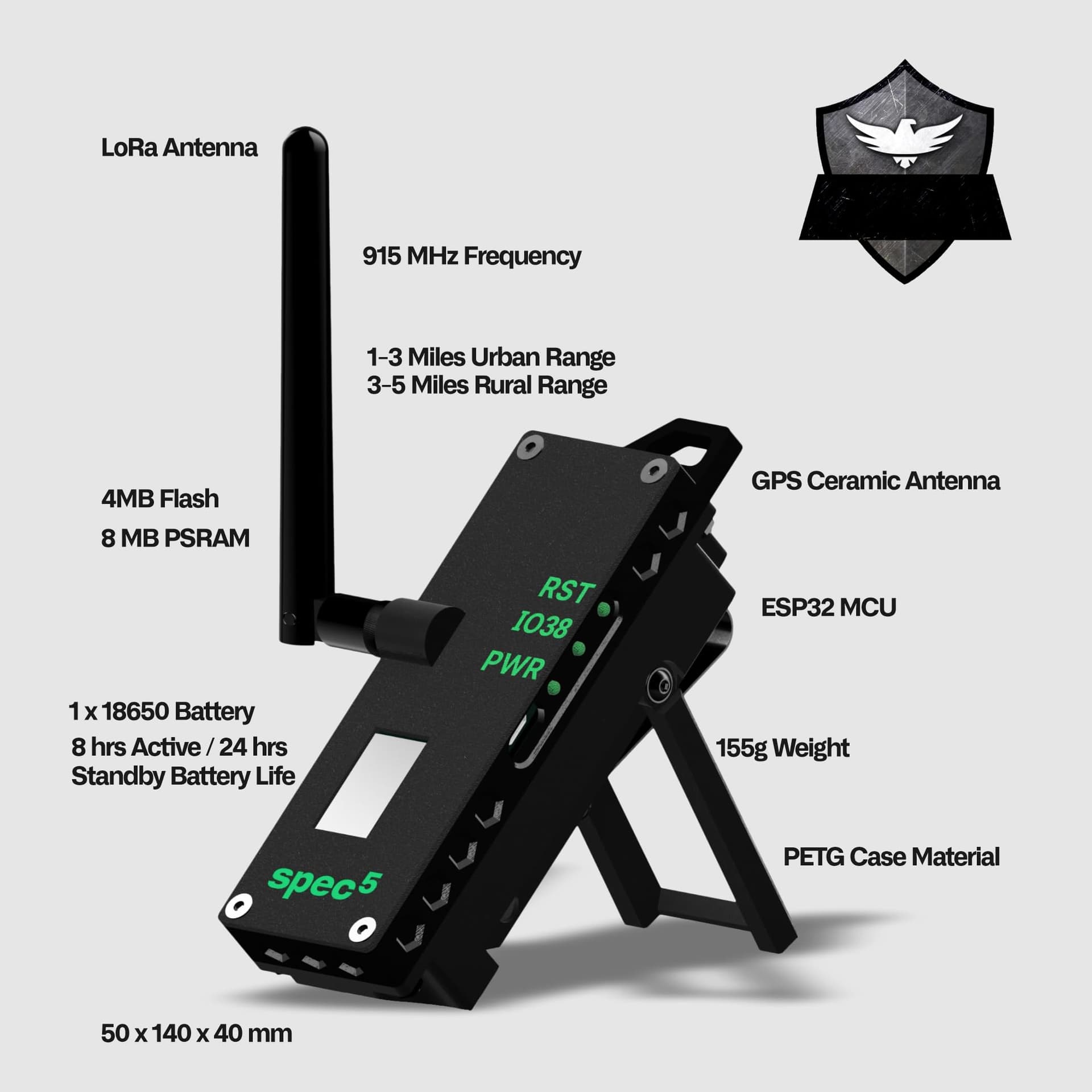
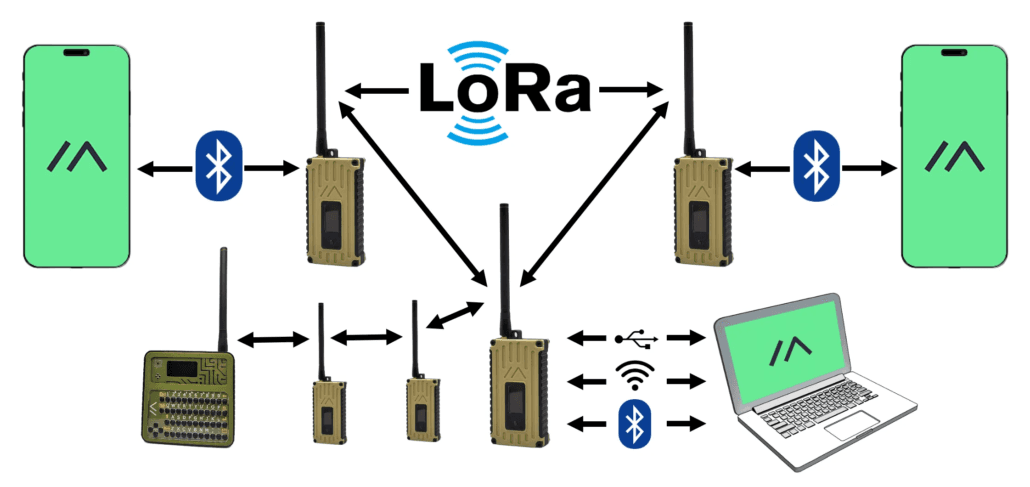
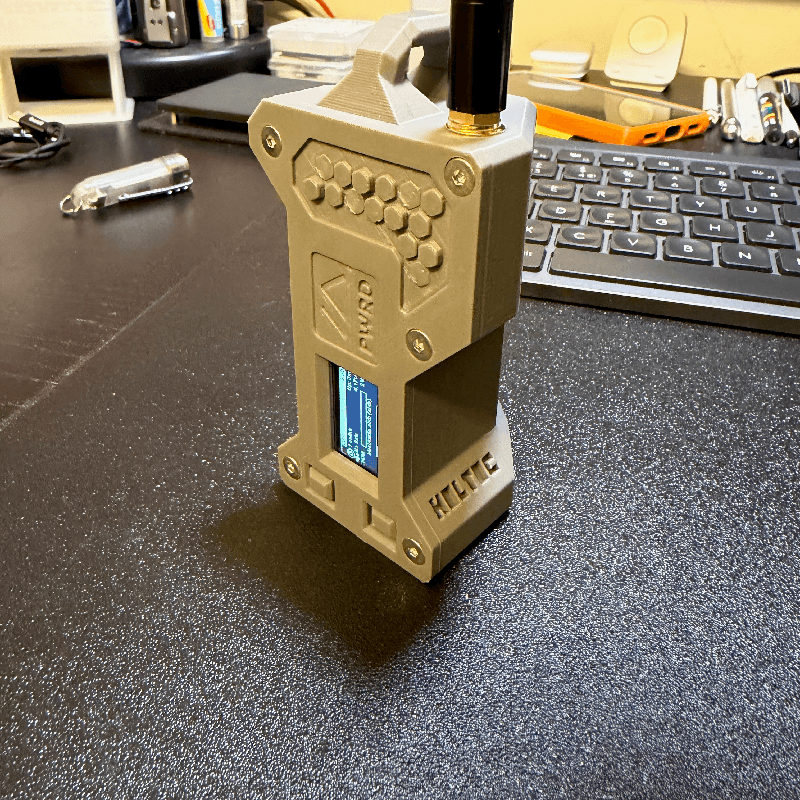
Akita MeshTAK turned ATAK into a Meshtastic bridge that could move Cursor on Target location data and text across an off-grid mesh when normal infrastructure was gone. The Android plugin arrived as a concrete interoperability layer, not just a novelty add-on: field users could keep talking even when cellular service, Wi-Fi, and satellite coverage were unavailable.
That matters because Meshtastic’s own ecosystem is built around exactly that kind of operating environment. The project describes itself as an open-source, community-driven, decentralized mesh network running on inexpensive, low-power LoRa radios, while ATAK is a geospatial mapping and situational-awareness platform that began inside the U.S. military and spread to first responders, search-and-rescue teams, disaster relief groups, and outdoor users. Akita MeshTAK sits where those two worlds meet, and Meshtastic now lists ATAK Plugin among its official integrations alongside CalTopo/SARTopo and MQTT.
The real change is in the workflow. Akita MeshTAK could talk to Meshtastic devices over Bluetooth Low Energy, USB serial, or MQTT, and it automatically fell over to the next bearer if one failed while keeping queued messages intact. That is more than a lab demo for hobby builders: the Meshtastic stack already retransmits messages up to three times if no confirmation comes back, and the plugin’s Pending, In Flight, and Delivered mailbox states made delivery status visible instead of implied. It also surfaced a mission assurance dashboard that pulled encryption posture, provisioning status, audit logging, and interoperability into one view before traffic went out.
Setup still required discipline. Meshtastic’s ATAK plugin documentation says the Meshtastic Android app has to run in the background, and the ATAK plugin version has to match the ATAK version. The official plugin path also intercepts outgoing CoT through ATAK’s PreSendProcessor interface and sends it to IMeshService, which makes the handoff explicit rather than magical. For operators, that means the bridge is usable, but it is not plug-and-forget.

Akita’s implementation also showed signs of active hardening rather than one-off tinkering. The GitHub repository is GPL-3.0 licensed, has 95 commits, and recent work has focused on the security model, provisioning process, payload security, OpenTAKServer compatibility, and build updates. It also supported fully offline bundle generation and application, with transport keys derived through PBKDF2-HMAC-SHA256 and device-and-purpose salts. Map overlays for route health, mission geofences, search sectors, and stale-marker callouts pushed the tool past simple messaging into shared situational awareness.
For ATAK and Meshtastic users, the practical shift was simple and sharp: when the network disappears, CoT did not have to stop. Akita MeshTAK made that handoff visible, auditable, and multi-path, which is exactly what an off-grid bridge needs to earn trust.
This article was produced by Prism’s automated news system from verified source data, official records, and press releases, then run through automated quality and moderation checks before publishing. The system is built and supervised by the people who set the standards it runs under. Read our full AI policy.
Did this article answer your question?