Meshtastic turns cheap LoRa boards into resilient off-grid networks
Cheap LoRa boards make Meshtastic a real off-grid fallback, but the win comes with hard limits in range, throughput, setup, and security.
When the cell network is the first thing to fail, a handful of cheap LoRa boards starts to look less like a hobby and more like insurance. Meshtastic makes that case well: open-source firmware, a mesh that forwards packets from node to node, and a setup path that starts with a phone or computer instead of a tower.
The catch is that cheap hardware buys resilience, not magic. Meshtastic is built for low-power devices and off-grid messaging, which means you are trading bandwidth and convenience for a system that can still move text when centralized services cannot.


Why Meshtastic keeps showing up in real deployments
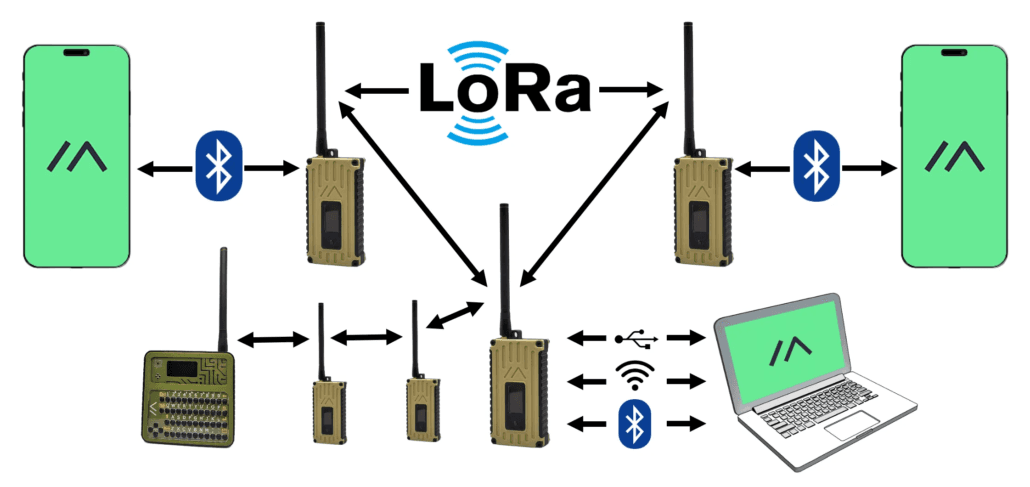
Meshtastic describes itself as an open-source, off-grid, decentralized mesh network built to run on affordable, low-power devices. Its own getting-started materials are blunt about the point: connect a phone or computer to a radio via Bluetooth, Wi-Fi, or USB, then communicate across long distances without internet or cell service.
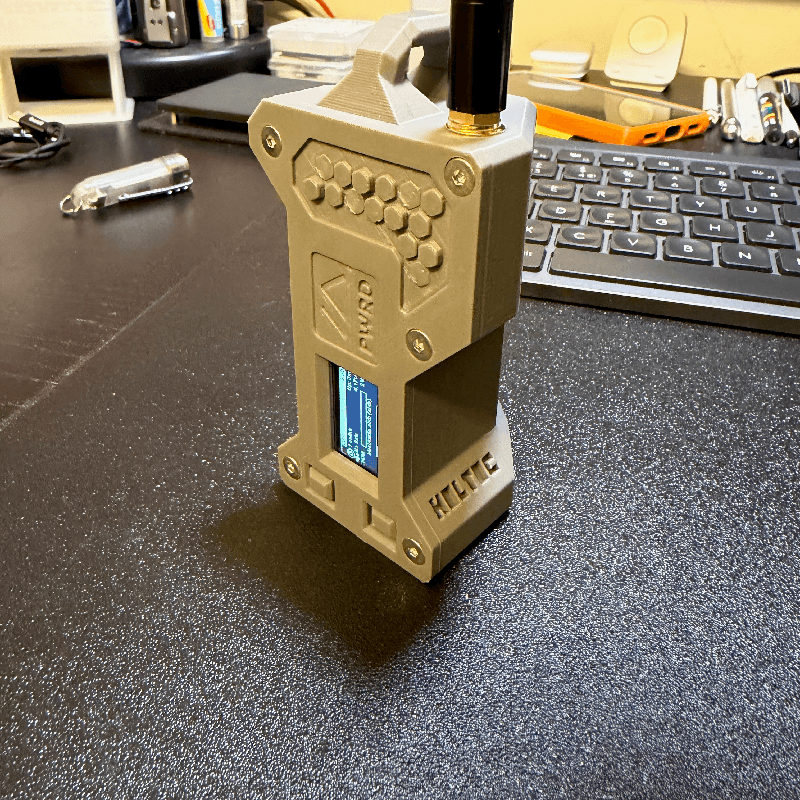
That is the practical appeal. A sub-$30 board suddenly becomes part of a network instead of a single gadget, and the mesh topology means each node can help forward packets as needed. In Meshtastic’s own GitHub organization, the project is framed as an inexpensive LoRa-radio communicator for long-range off-grid messaging, with optional GPS location features and no requirement for a phone.
What the tradeoffs look like in the field
The easy mistake is to hear “mesh” and assume “replacement for normal messaging.” It is not that. LoRa is the radio layer underneath, and the LoRa Alliance describes LoRaWAN as a low-power wide-area protocol designed to optimize battery life, capacity, range, and cost. That combination is exactly why Meshtastic works as a fallback, but it also explains why throughput stays limited and why the network behaves very differently from a chat app.
Range is the headline, but reliability depends on the mesh actually having enough nodes to carry traffic. A dense group of radios can make the system feel robust, while sparse coverage turns it into a patchy relay. The same design that gives Meshtastic its appeal also makes it sensitive to placement, power, and how many people in the area are willing to keep nodes alive.
Getting on the air without making setup miserable
Meshtastic has clearly matured past the pure-tinkerer stage. Its downloads page offers a web-based flasher for easy device flashing, Apple apps for iOS, iPadOS, and macOS, plus Android sideloading. That matters because the weakest part of a lot of open hardware projects is not the radio, it is the setup, and Meshtastic has spent real effort lowering that barrier.
The firmware side tells the same story. The official repository shows an active beta release in 2026, which is the sort of detail that matters when you are deciding whether a platform is alive or just archived in spirit. Meshtastic also said in August 2025 that supporting a growing range of hardware devices was creating new resource challenges, which is the flip side of momentum: more boards, more profiles, more maintenance, more ways for the ecosystem to get messy.
Where the network stops being theoretical
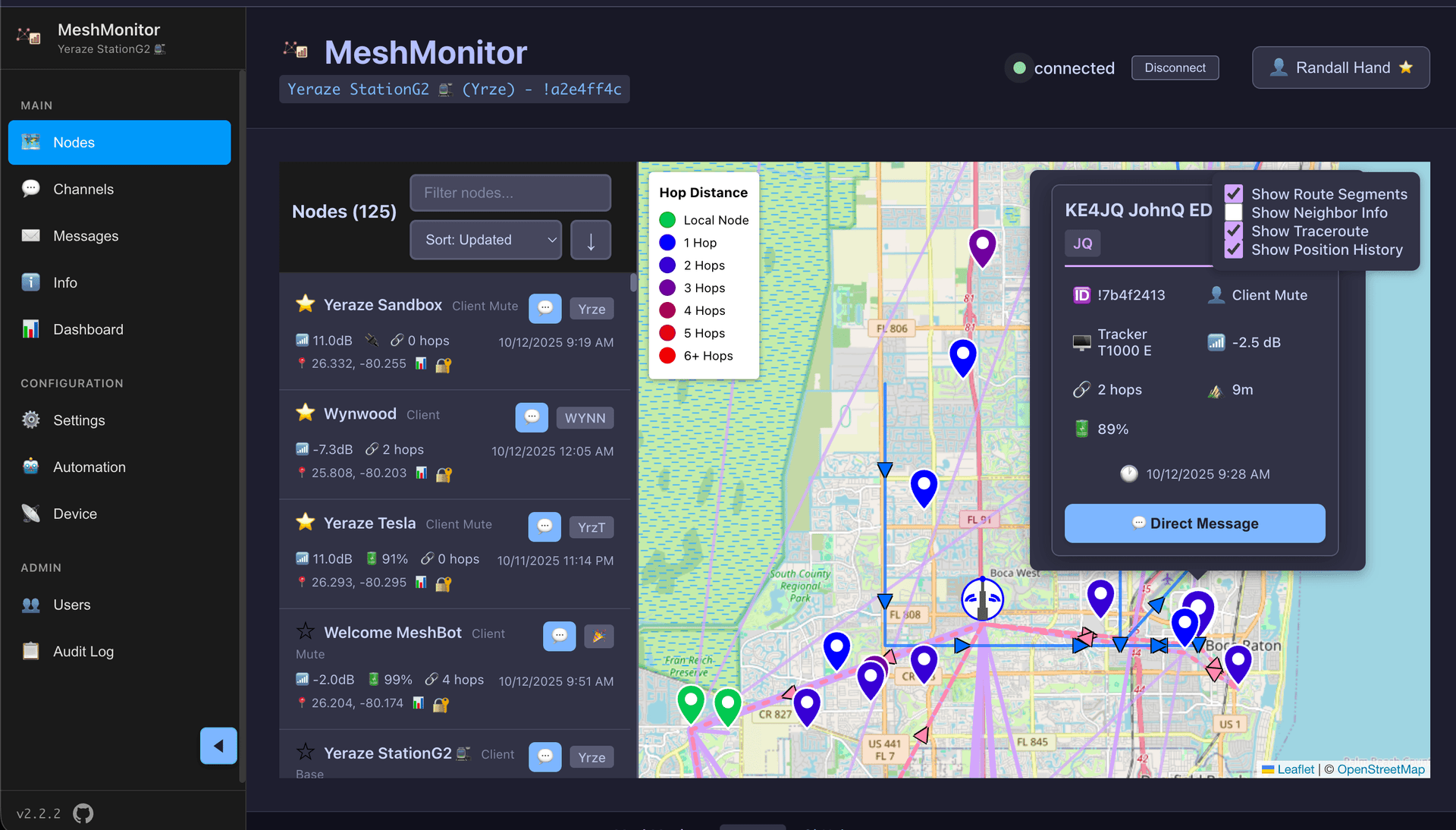
Meshtastic’s community story is no longer just about individuals pairing radios on a desk. Its community docs say local groups are actively organizing Meshtastic networks in their regions, which is the kind of grassroots structure mesh systems need if they are going to be more than demos. A mesh gets stronger when people build around shared channels, shared hardware, and shared habits.
DEF CON 2025 was a more concrete proof point. Meshtastic said its event-specific firmware was deployed there for the second time and, for the first time, in partnership with event organizers and groups including Darknet-NG and the Lonely Hackers Club. The project also said attendees saw more than 2,000 individual nodes connected during the event, even though official numbers were not yet available.
That is the scale where Meshtastic starts to look like infrastructure instead of a weekend build. It is still a text-first, low-bandwidth network riding on cheap radios, but 2,000 nodes is not a novelty cluster. It is a crowded radio environment where the mesh model proves it can hold together under real use.
Security is better, not perfect
Meshtastic’s security story is important precisely because the project does not oversell it. Its documentation says newer public-key cryptography improved direct messages and secure remote administration, but it also warns users not to treat the system as appropriate for life-or-death sensitive communications. The encryption docs are explicit that the model has known limitations and tradeoffs.
That warning should stay in view when people pitch Meshtastic as a privacy-first alternative to centralized platforms. It can reduce dependence on carriers and cloud services, and it can keep local traffic local, but that is not the same thing as treating every message like a sealed envelope. If you need a resilient fallback, Meshtastic is compelling; if you need a perfect security model, the project itself tells you to be careful.
Meshtastic’s real value is that it makes the fallback practical. Cheap LoRa hardware, a mature app and flasher ecosystem, active firmware, and a growing community turn an old radio idea into something people can actually deploy. The hard part is accepting the limits along with the advantages, because the network only feels resilient when you remember it is built from small boards, shared discipline, and enough nodes to keep the packets moving.
This article was produced by Prism’s automated news system from verified source data, official records, and press releases, then run through automated quality and moderation checks before publishing. The system is built and supervised by the people who set the standards it runs under. Read our full AI policy.
Did this article answer your question?