MeshMonitor 4.12.0 adds visual automation engine for mesh networks
MeshMonitor moved beyond passive monitoring with a visual rules engine that can alert on telemetry, geofences, and node events across every connected source.
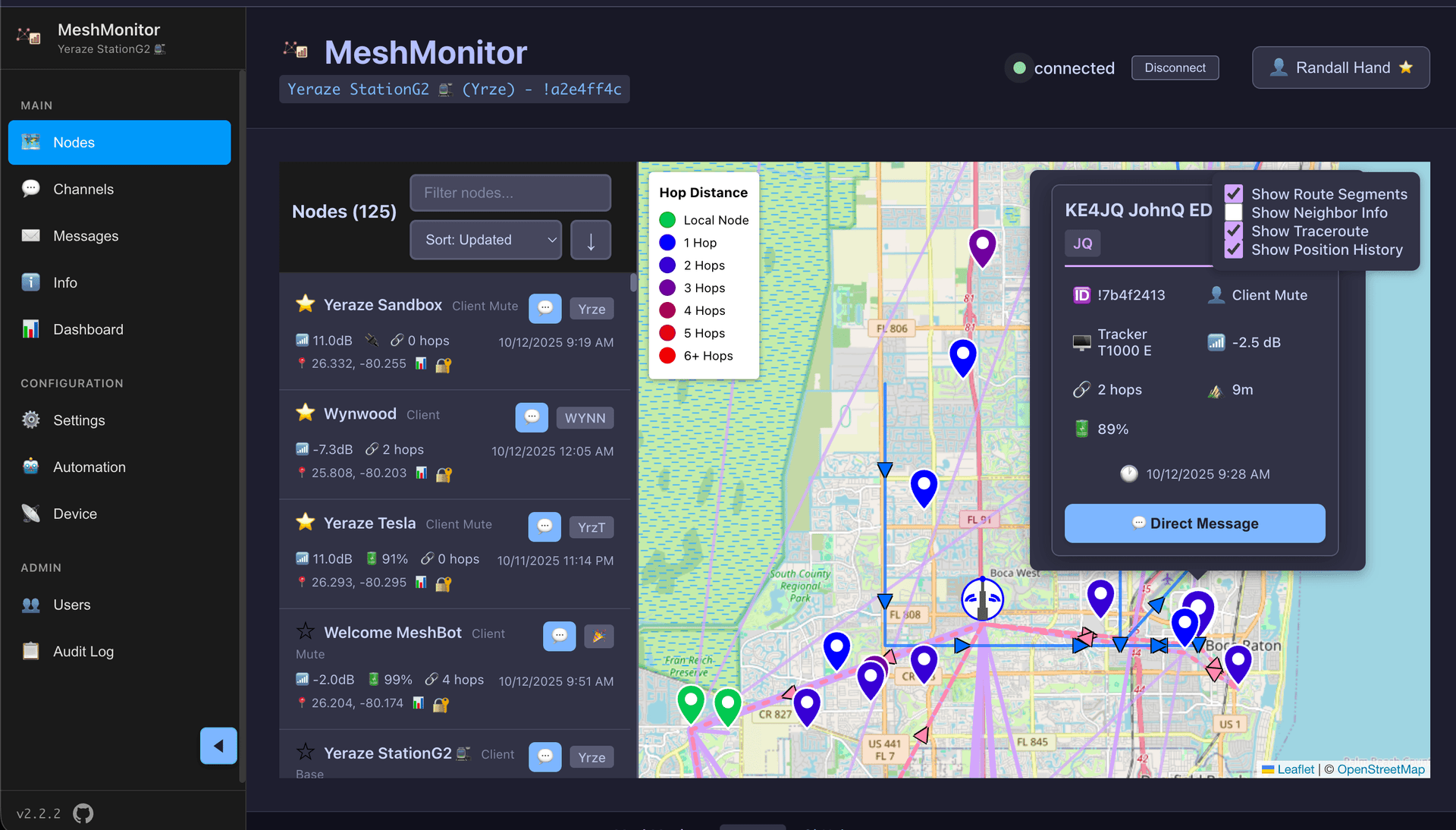
MeshMonitor 4.12.0 turned the project from a monitoring dashboard into something much closer to an automation layer for Meshtastic operators. Released on June 26, 2026, the update replaces a short list of fixed presets, including Auto Acknowledge, Auto Traceroute, Auto Ping, Auto Responder, and Auto Announce, with a visual WHEN RULE FINALLY builder that lets users assemble their own behavior instead of picking from a menu.
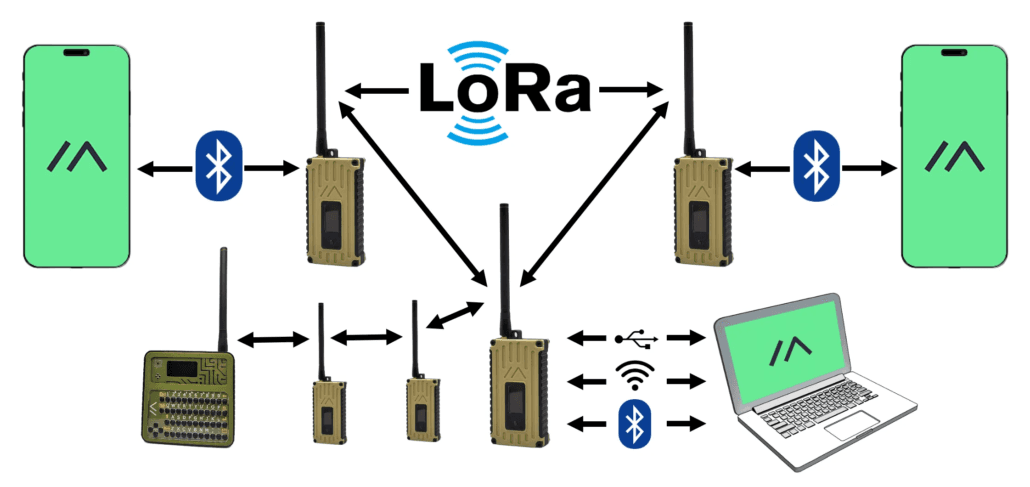
That shift matters because MeshMonitor already sits on top of a broad self-hosted stack for Meshtastic, MeshCore, and MQTT, with real-time maps, alerts, per-source permissions, and network-wide visibility. The new engine runs across every connected source, but operators can narrow it with a source filter, which gives the system enough reach to watch the whole mesh without forcing every rule to apply everywhere. MeshMonitor also wrapped the feature in permissions, per-automation cooldowns, loop protection, run logs, and JSON import/export, with imports initially disabled so automations can be reviewed before they are turned on.
The trigger and action list shows how far the project is pushing beyond simple alerts. MeshMonitor 4.12.0 can fire on message arrival, node discovery and updates, telemetry thresholds, cron schedules, system events, and geofence events. Its conditions can test numeric and text comparisons, distance from a point, variables, and time-of-day windows. Its actions can send tapbacks, messages, node-management commands, Apprise notifications, or scripts from the data directory. For Meshtastic users, that means the same dashboard that shows a node on a map can now react when a battery level drops, a voltage reading changes, a node enters a geofence, or a telemetry report crosses a threshold.

That automation push lands in a mesh ecosystem that already generates the right kind of data. Meshtastic telemetry can carry device metrics such as battery level, voltage, channel utilization, and airtime, along with environment, air-quality, and health metrics. Meshtastic radios rebroadcast messages across the mesh and decrement hop limits, and they keep only a small packet buffer when disconnected from a client app, which makes always-on oversight hard in real deployments. MeshMonitor’s new rules engine is built for that gap: it can watch those events centrally and respond without waiting for a human to be staring at the console.
MeshMonitor’s geofence trigger also formalizes behavior that Meshtastic users have already been building elsewhere. Akita Engineering’s Akita Geofence Notifier for Meshtastic already supports enter and exit notifications and stationary alerts, showing there was demand for location-aware automation before MeshMonitor folded it into the core dashboard. MeshMonitor 4.12.0 now brings that kind of logic into the same place as messaging, telemetry, permissions, and alerts, then 4.12.1 followed as a hotfix after a migration conflict tied to MQTT channel permissions caused a startup-breaking regression in 4.12.0.
This article was produced by Prism’s automated news system from verified source data, official records, and press releases, then run through automated quality and moderation checks before publishing. The system is built and supervised by the people who set the standards it runs under. Read our full AI policy.
Did this article answer your question?