D-Central guide shows how Meshtastic can support Canadian emergency comms
D-Central’s guide turns Meshtastic into a real backup channel for Canadian wildfires, ice storms, and grid failures, with ISED rules and node planning front and center.
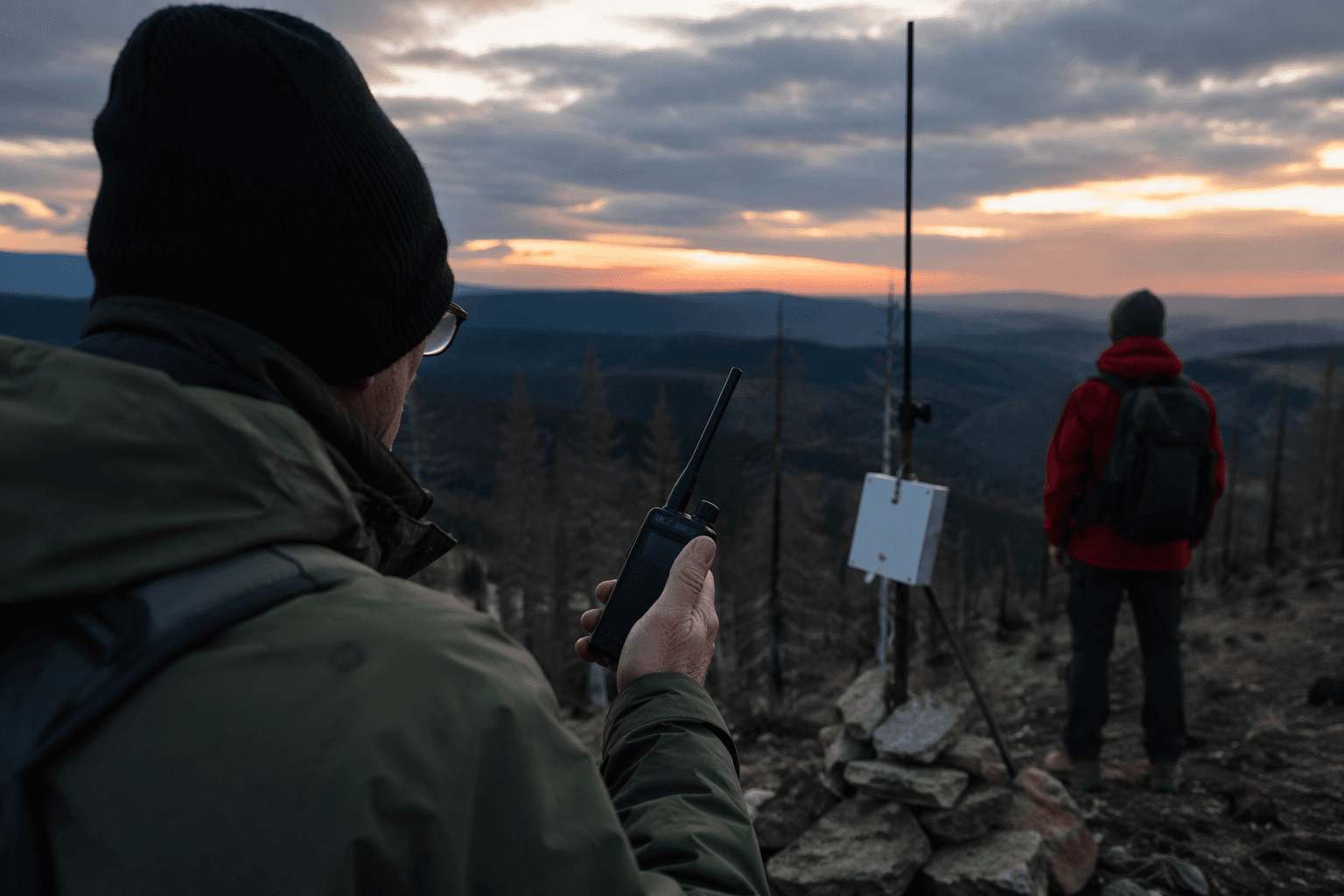
When a wildfire severs fibre or an ice storm knocks out the grid, the value is not a clever gadget but a message that still gets through. D-Central’s new Meshtastic guide is built around that reality, showing how to set up a licence-exempt, encrypted mesh for family or community emergency communications in Canadian conditions.
What the guide is trying to solve
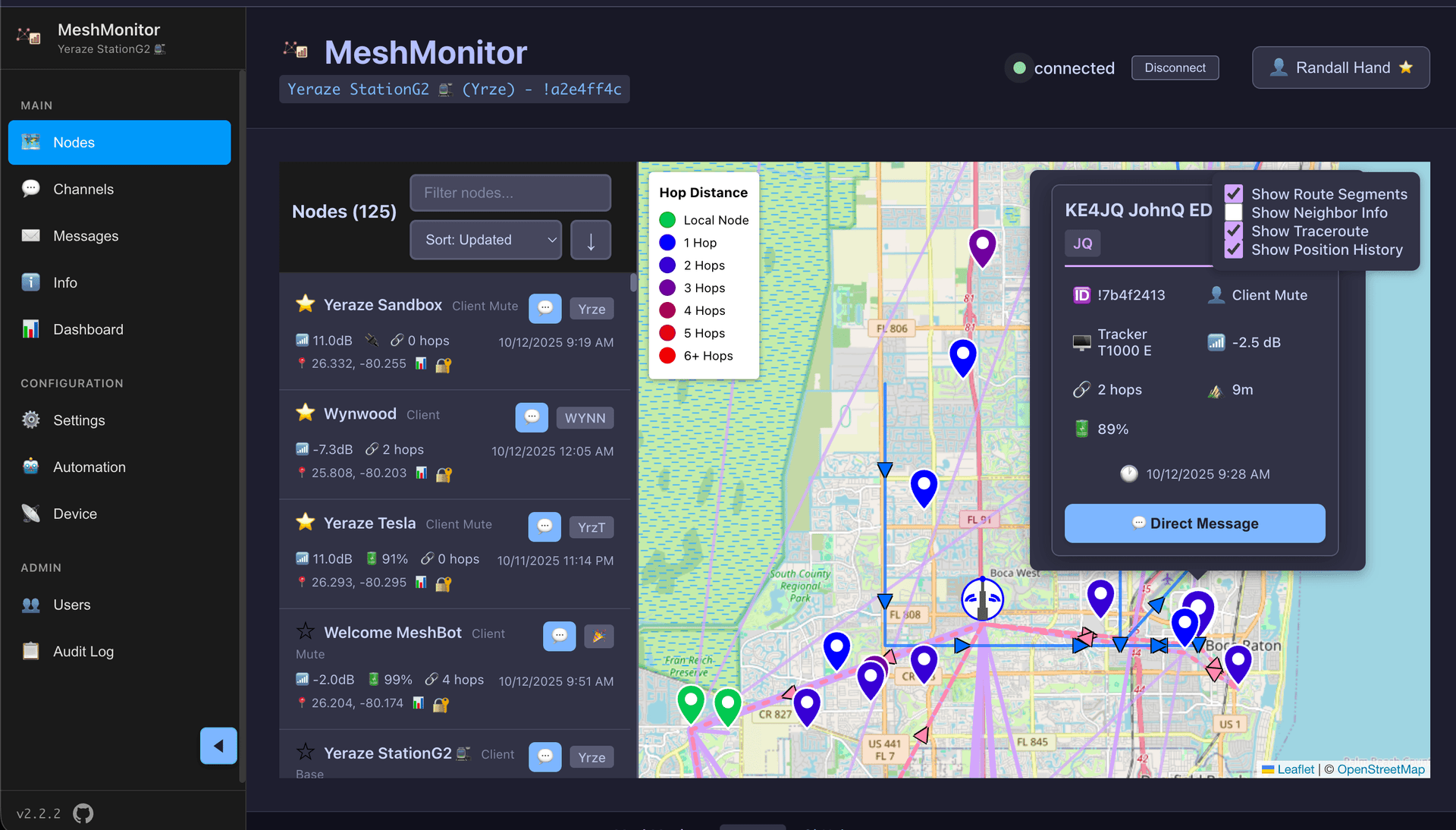
Meshtastic is described as an open-source, off-grid, decentralized mesh network for affordable, low-power devices, and that framing matters here. The guide treats it as a practical fallback for short messages when normal networks are strained, not as a substitute for every other comms tool. That is why the piece leans so hard on deployment details like hardware selection, channel setup, and where to put nodes so the network keeps moving messages when the first link fails.
Why Canadian outages make this more than a hobby project
Canada has already lived through the kind of large-scale disruption that makes backup comms feel less theoretical. During the January 1998 ice storm, which struck Ontario, Quebec, and New Brunswick from January 4 to 10, Hydro-Québec says 1,393,000 customers were without power in Quebec at peak, the Canadian Red Cross says more than 100,000 people were forced into emergency shelters and 3,300 volunteers were deployed, and historical accounts differ on the human toll, with the Canadian Encyclopedia citing as many as 35 deaths and 945 injuries while the Red Cross notes 46 deaths and nearly 1,000 injuries. That is the scale of failure the guide is really speaking to: not a toy network, but a local lifeline when roads, lines, and phones all start to buckle.
Wildfire damage makes the same case in a more recent register. Canadian news reports and Northwestel documented fibre damage that disrupted internet, cell service, and long-distance calling in parts of northern British Columbia, Yukon, and the Northwest Territories, and that kind of outage hits exactly where community safety depends on communication. Canada’s emergency communications page is blunt about the stakes: Canadians need telecom networks to call 911, contact loved ones, and receive emergency information.
How the Meshtastic setup is meant to work
The strongest part of the guide is that it does not sell Meshtastic as magic. It walks through how to build a community mesh that can serve a household, a farm, a cabin cluster, or a neighbourhood pocket by thinking carefully about nodes, power, and message flow. In a real deployment, that means putting nodes where they can hand traffic along efficiently, keeping the messages short and useful, and planning for what happens when one node, one house, or one route drops out.
This is also where the guide’s operational tone stands out. It is about the boring but decisive details that matter during an ice storm or a wildfire evacuation: who relays the first alert, which node stays up on backup power, and how the network behaves when the main route is gone. That is the difference between a demo on a desk and a tool you would actually trust in a pinch.
Rules and spectrum are part of the design
The guide is careful to anchor all of this inside the 902 to 928 MHz ISED framework. Innovation, Science and Economic Development Canada’s RSS-247 issue 4 covers radio apparatus in that band and replaced issue 3 on July 24, 2025, and the department says licence-exempt equipment certification must use the latest standard issues listed on its standards page. That means you do not get to treat compliance as an afterthought; the regulatory layer is part of the build, not a footnote.
That matters because the Canadian emergency use case depends on actual deployability, not just field enthusiasm. The guide’s reminder to verify the current RSS-247 framework for your own setup keeps the project grounded in the rules that govern real use, which is exactly what you want if the network is going to sit in a go-kit or support a neighborhood fallback plan.
Meshtastic as one layer, not the whole answer
The guide also makes a smart call by placing Meshtastic inside a broader communications plan. It says to layer licensed amateur radio on top for maximum resilience, which is the right instinct when the goal is continuity instead of novelty. If the mesh is the local short-message path, amateur radio can extend the resilience picture beyond the immediate mesh footprint.
That layered thinking lines up with the wider Canadian resilience story. TELUS said in June 2024 that it had invested $125 million over five years in emergency response, network protection, and community investment tied to climate emergencies, which shows how much attention the telecom sector is already putting on survivability. Meshtastic fits into that same logic at the local level: a small, low-power, decentralized backstop when the main system is stressed.
The ecosystem around it is getting real
There are signs that this is moving beyond isolated tinkering. Meshtastic’s community page says local groups are actively organizing around the platform, and that kind of grassroots structure matters when you are trying to turn individual nodes into something that behaves like a network. In the National Capital Region, Greater Ottawa Mesh Enthusiasts says it operates more than 50 static MeshCore repeaters, which is a different platform but still a strong signal that Canadian users are building decentralized radio infrastructure at meaningful scale.
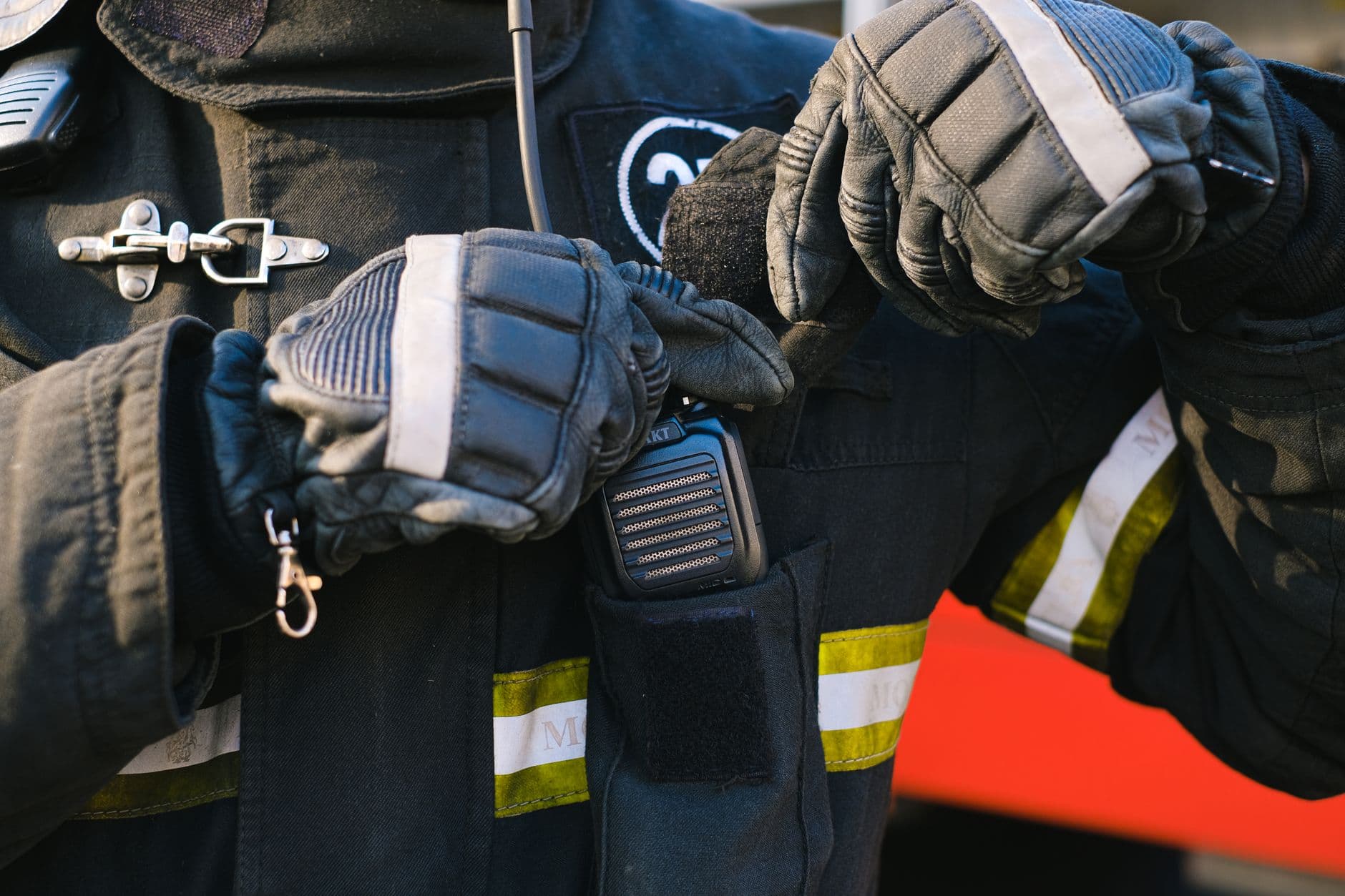
Academic work is also catching up to the use case. Researchers are now evaluating LoRa mesh networks, including Meshtastic, for firefighting and disaster communication, which reinforces the idea that these systems are no longer just weekend experiments. The larger pattern is clear: from old storms to new wildfire outages, Canadian resilience planning keeps circling back to the same need, a local channel that still works when the rest of the stack is under pressure.
In that sense, D-Central’s guide lands where it should. It starts with a familiar Meshtastic promise, low-power mesh messaging, then pushes it into the very Canadian scenarios that expose weak points fast. If the next ice storm or wildfire knocks out the usual routes, the real test will not be whether the idea sounds good, but whether the nodes are in the right places, the channels are set correctly, and the first short message still makes it through.
This article was produced by Prism’s automated news system from verified source data, official records, and press releases, then run through automated quality and moderation checks before publishing. The system is built and supervised by the people who set the standards it runs under. Read our full AI policy.
Know something we missed? Have a correction or additional information?
Submit a Tip