D-Central says Meshtastic makes off-grid communications affordable and sovereign
D-Central’s June 19 report puts a $30 Meshtastic LoRa node at the center of a cheap sovereignty stack, from radio mesh to self-hosted Nostr.

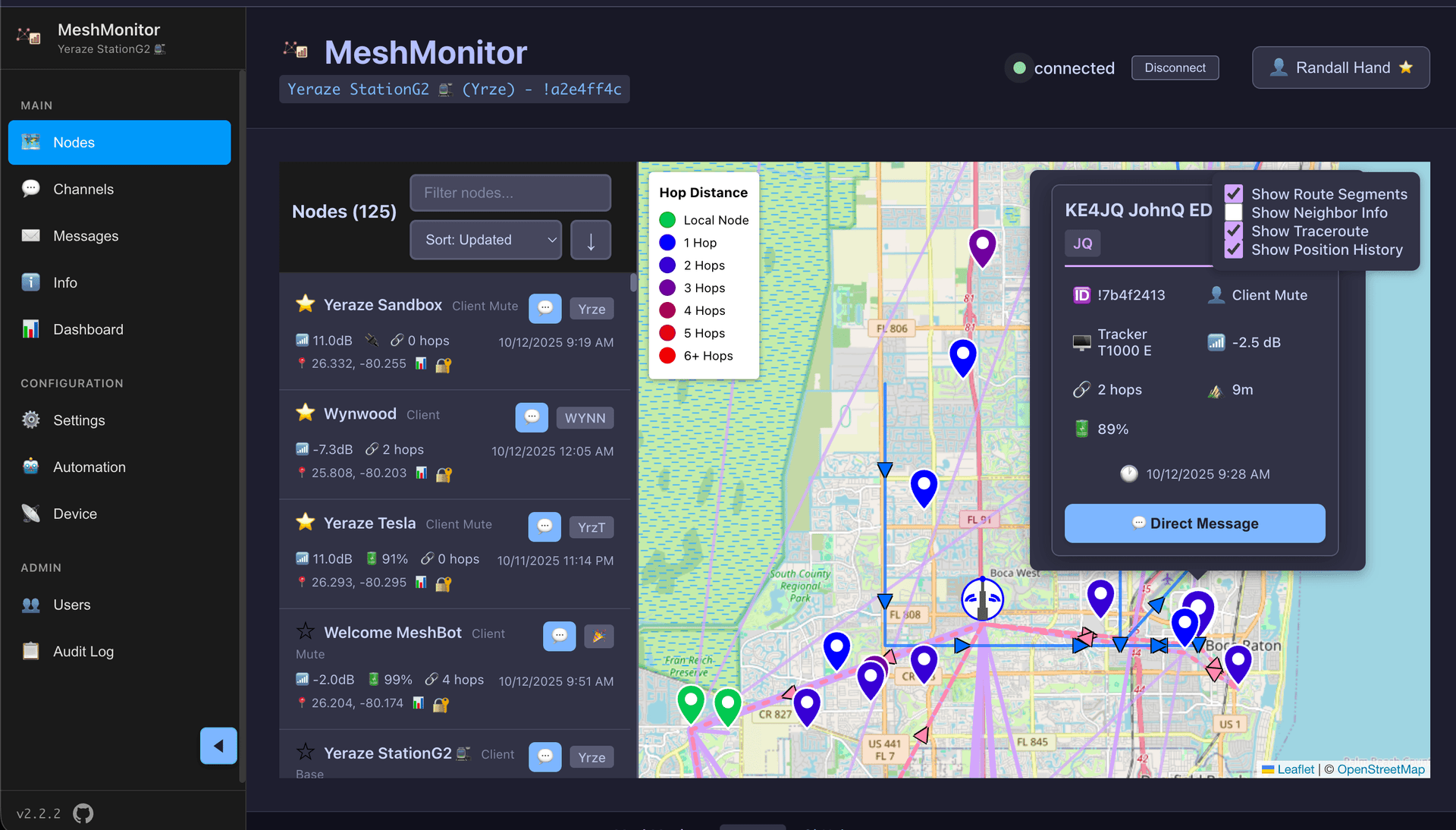
D-Central’s latest H1 2026 report made a blunt case: Meshtastic has moved past hobby status and into the kind of off-grid infrastructure ordinary operators can actually build. The pitch was not theoretical. A $30 LoRa radio running Meshtastic can push text across kilometres without existing telecoms, while a self-hosted Nostr relay can carry censorship-resistant social and payment data on top of it.
That framing matters because D-Central treated communications sovereignty as a stack, not a slogan. Radio sits at the bottom, then mesh, identity, and hardware. In that model, Meshtastic is the transport layer that makes the whole thing cheap enough to matter. The report leaned on D-Central’s own live datasets and argued that off-grid comms now looks less like a prepper niche and more like a practical resilience layer for homes and small operators.
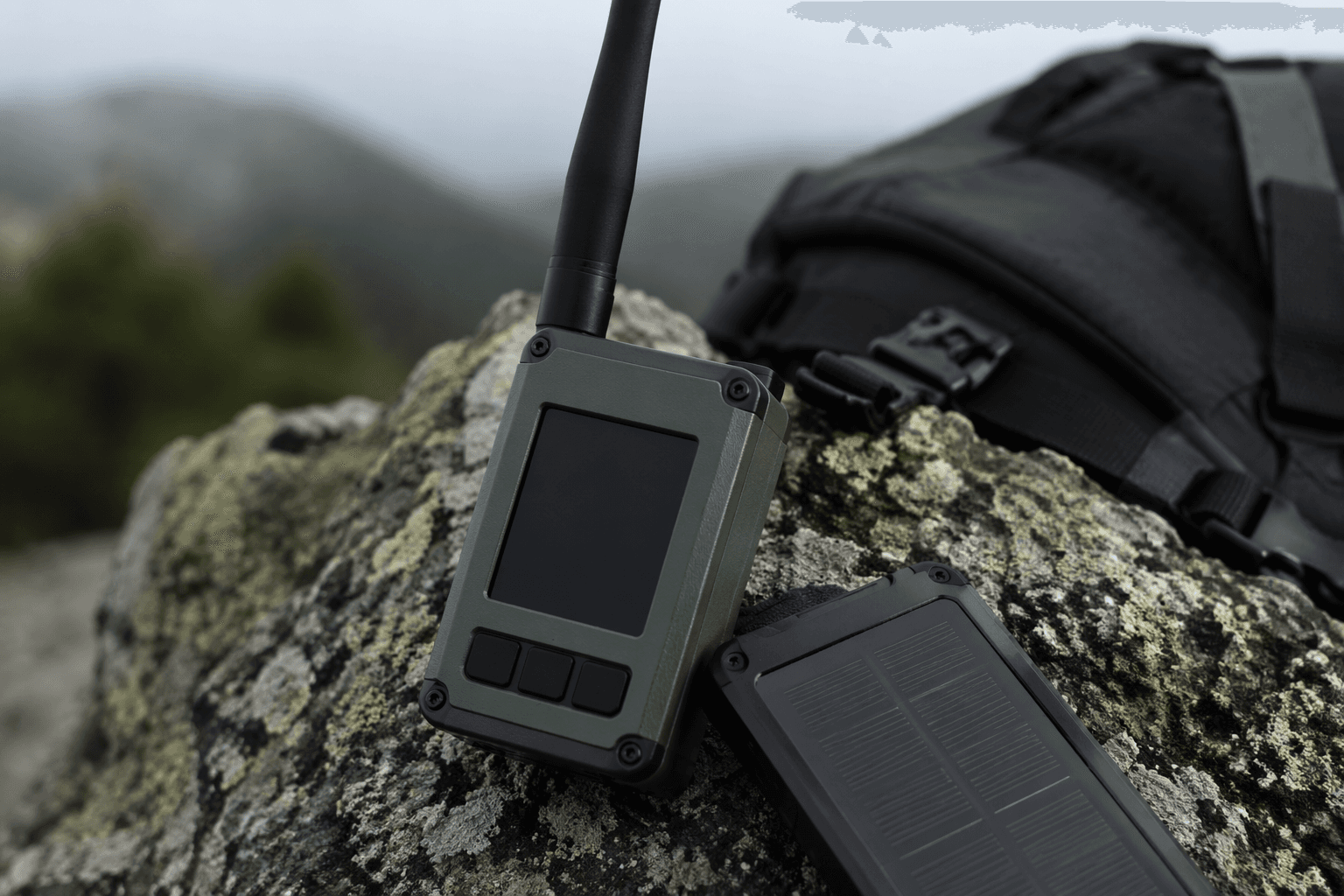
The technical details back up the claim. In North America, Meshtastic uses the 902 to 928 MHz ISM band, and the project exposes knobs that operators actually touch in the field, including region, modem preset, max hops, transmit power, and duty-cycle override. LoRa still depends on line of sight, antenna gain, and careful spectrum use, but that is also why it is deployable with inexpensive off-the-shelf gear instead of custom infrastructure. Meshtastic describes itself as an open-source, off-grid, decentralized mesh network built for affordable, low-power devices, and its managed flood routing is designed to skip route-discovery overhead so devices can start messaging immediately after boot.
The messaging stack is getting more practical too. Meshtastic’s store-and-forward system lets a client ask a special server to resend messages after it has been out of LoRa range, and since firmware 2.4, connected clients can automatically receive history. That makes the network useful for the kind of asynchronous community traffic that breaks on normal chat apps the moment coverage drops.
Canada is where the sovereignty argument gets sharper. ISED Canada says the 902 to 928 MHz band is licence-exempt for digitally modulated radio systems, which helps explain why the report singled out Canada and Quebec as natural fits for this kind of deployment. Meshtastic also has more field proof than it did a year ago. The project says it began as a hiking tool, then expanded into search and rescue, disaster recovery, and grid-down scenarios. Its February 26, 2025, 2.6 preview added the first release of a new device UI and a new routing algorithm for direct messages, and at DEF CON 2025 it said attendees reported more than 2,000 nodes connected.
D-Central’s report did not just argue that Meshtastic is useful. It argued that the threshold has already been crossed, and the mix of cheap hardware, simpler routing, and licence-exempt spectrum is what makes that claim feel newly real.
This article was produced by Prism’s automated news system from verified source data, official records, and press releases, then run through automated quality and moderation checks before publishing. The system is built and supervised by the people who set the standards it runs under. Read our full AI policy.
Know something we missed? Have a correction or additional information?
Submit a Tip