D-Central launches Meshtastic device database for smarter board selection
D-Central’s dataset sorts 29 Meshtastic-compatible boards by power, GPS, and role, so buyers can skip the spec maze and pick the right node faster.
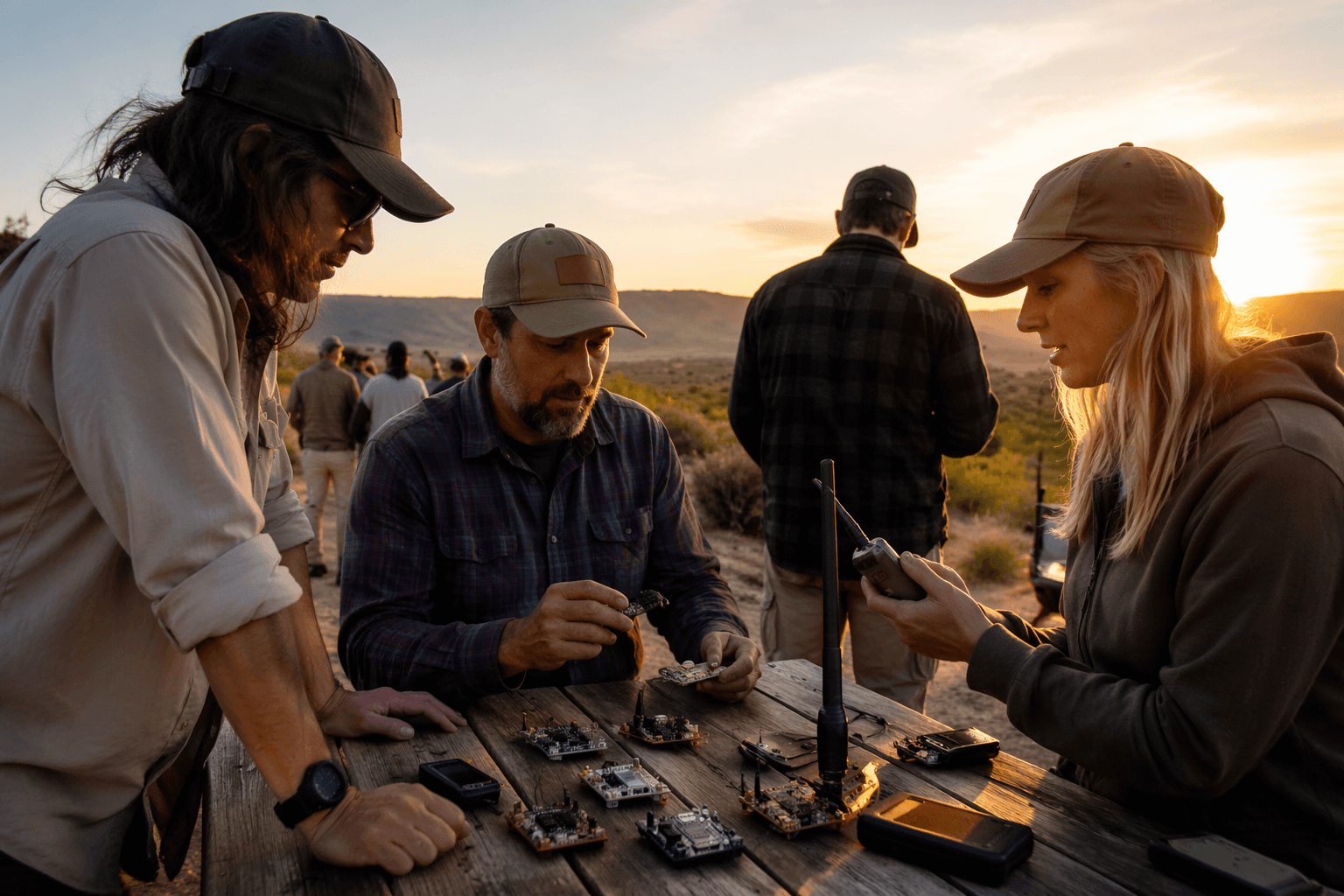
D-Central has turned the Meshtastic buying problem into something builders can actually use: a searchable device database that lines up 29 verified compatible boards by MCU, LoRa chip, battery support, GPS, solar suitability, 915 MHz or ISED fit, and the role each node is best suited to play. For anyone trying to get on the mesh quickly, that means less guesswork about whether a board is really a tracker, router, repeater, or field handheld.
The database is published as an open dataset with CSV, JSON, and REST API access under CC BY 4.0, so it can feed a spreadsheet, a planning tool, or a custom workflow instead of living as a static list. That is useful because Meshtastic’s own hardware docs say the firmware can run on a wide range of development boards, and they divide the ecosystem into supported devices, community-supported hardware, and solar-powered builds. In a crowded hardware field, that structure matters more than a raw spec dump.
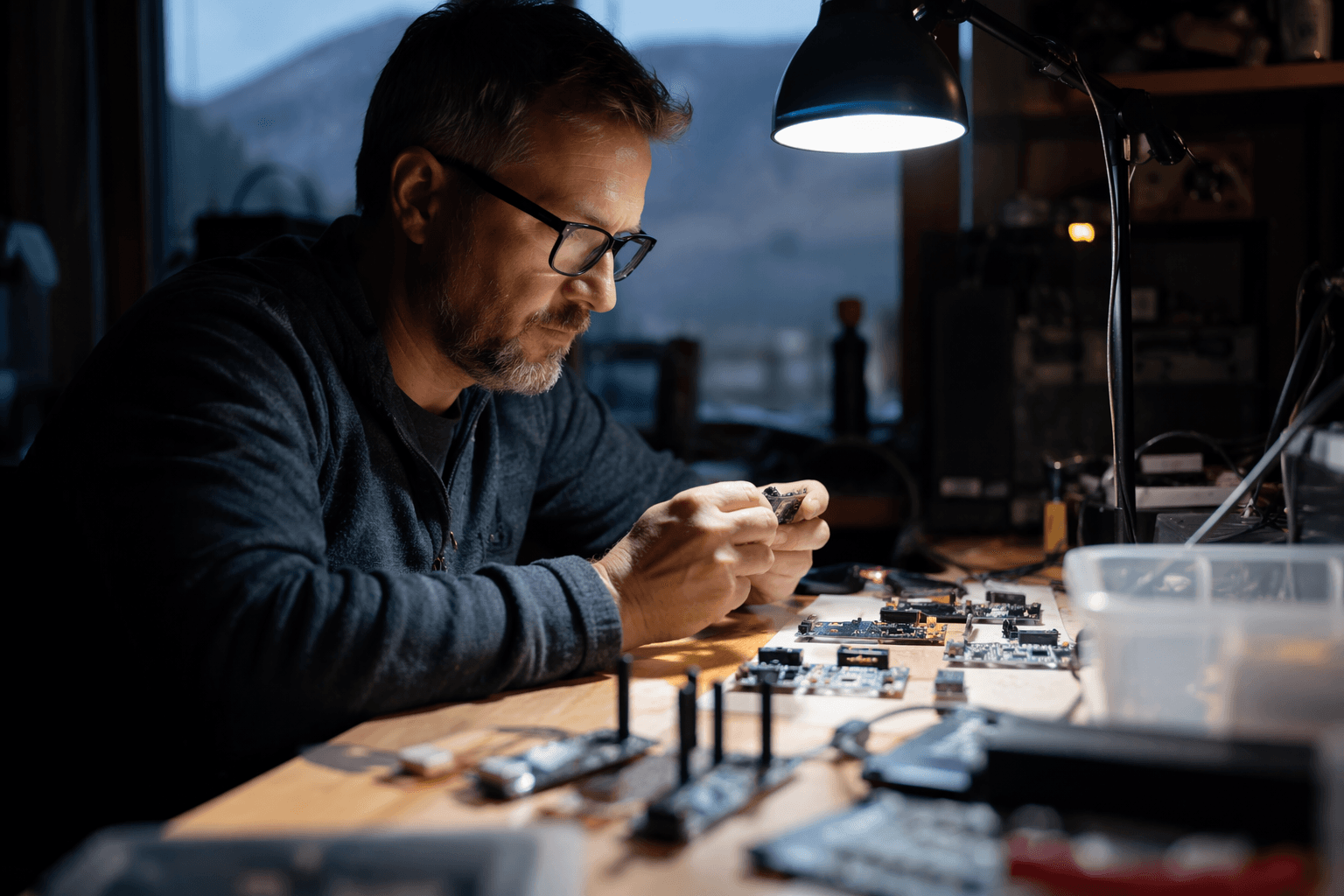
Meshtastic buyers can easily make the wrong first purchase by comparing devices that solve very different problems. A tracker with GPS and a battery holder is not the same thing as a fixed relay, and a display-heavy handheld is not the same thing as a solar node meant to sit outside and stay alive through low-power conditions. The new database helps surface those differences early, so someone looking for a winter-ready repeater, a field tracker, or a budget handheld can filter by purpose before spending a weekend opening tabs and digging through datasheets.
The official hardware pages show why that approach pays off. LILYGO’s T-Beam boards often include GPS and an 18650 battery holder, which makes them a common pick for mobile use. The T-Echo is described as a low-power nRF52840 device with an e-ink display. The T-Deck family is built around compact handheld keyboard devices, including a T-Deck Pro e-ink model for low-power, sunlight-readable operation. On the other end of the spectrum, Seeed Studio’s SenseCAP Solar Node includes a 5W solar panel and four 18650 battery slots, which makes it a very different planning choice from a pocket node.
The regulatory reminder is just as important. D-Central notes that device-level certification can vary by unit, so buyers still need to verify before deployment, especially in Canada, where Industry Canada’s RIC-67 covers licence-exempt digitally modulated systems in the 902–928 MHz band. Secondary summaries of the Canadian rules also point to a 1 watt conducted-power limit for LoRa-style digital modulation, with EIRP shaped by antenna gain and setup. That is the kind of detail that can save a first deployment from becoming a first mistake, and it is exactly why a structured database shortens the path from interest to a node that is ready to work.
This article was produced by Prism’s automated news system from verified source data, official records, and press releases, then run through automated quality and moderation checks before publishing. The system is built and supervised by the people who set the standards it runs under. Read our full AI policy.
Know something we missed? Have a correction or additional information?
Submit a Tip