Debian adds python3-meshtastic 2.7.9, easing Linux installs
Debian unstable picked up python3-meshtastic 2.7.9-1 two days after PyPI, giving Linux users an apt path for gateways, laptops and headless boxes.

Debian unstable just made Meshtastic easier to drop onto Linux machines, from Raspberry Pi gateways to laptop troubleshooting rigs and headless field boxes. The new python3-meshtastic 2.7.9-1 upload gives users a package-manager path instead of relying only on pip or container images, and that is the kind of small infrastructure change that can decide whether a tool stays experimental or becomes part of a daily workflow.
For anyone asking who gets the easiest setup today, the answer is Debian-based users willing to live on the edge. Debian unstable now carries the Meshtastic Python client and library as a package, so a user on Sid can install it with the system package manager instead of building a Python environment by hand. Pip still offers the quickest route to the newest upstream release, and Docker still makes sense for isolated or reproducible deployments, but the Debian package lowers friction for people who want Meshtastic available directly on the box they are already using.

The Debian changelog marked the upload as a new upstream version, and the package tracker had shown meshtastic at 2.7.8-1 before this update. The timing is notable: PyPI listed meshtastic 2.7.9 as the latest release on June 8, 2026, and Debian unstable followed with 2.7.9-1 on June 10, credited to Alex Myczko. That quick turnaround matters for hobbyists building scripts, bridge nodes, or diagnostics tools around a known version across laptops, servers, and headless gateways.
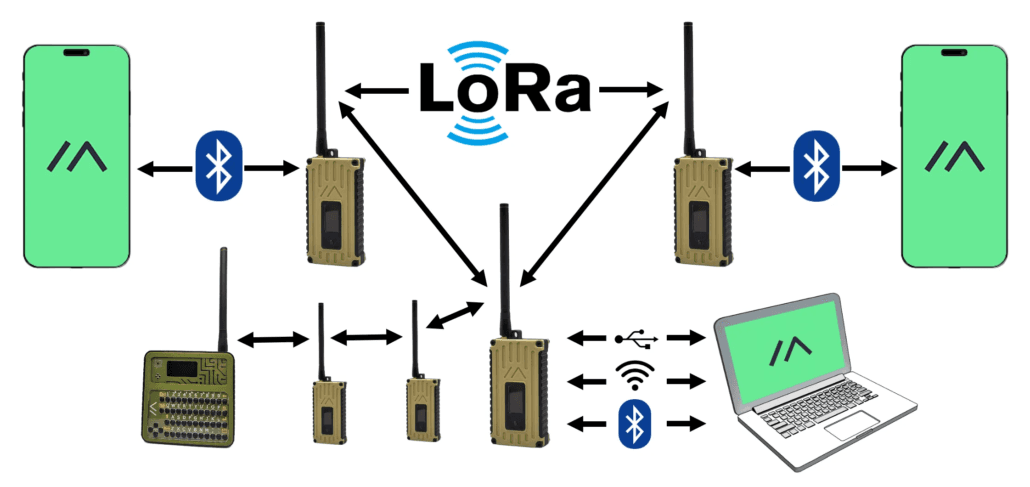
Meshtastic describes the package as a Python API and client shell for talking to Meshtastic devices. Its own description says the library can send and receive messages over mesh radios and access device UI data and Android-app-style operations, which is exactly the sort of glue that powers flashing helpers, packet log monitors, MQTT bridges, APRS-style workflows, and node-tracking automation in the field.
The catch is that this help arrives through Debian unstable, not the stable release most people trust for long-lived installs. That means the package is best for users who are comfortable testing current builds and handling the occasional rough edge, not for boxes that need maximum predictability with minimal maintenance.
The broader Linux story is moving in the same direction. Meshtastic’s official installation pages now list Debian, Raspbian, Ubuntu, Fedora, and Docker for Linux tooling, and its meshtasticd documentation says Debian packages are provided via the OpenSUSE Build Service. Put together, Debian unstable’s new package looks less like a one-off upload and more like another sign that Meshtastic is becoming easier to deploy on Linux without extra setup work.
This article was produced by Prism’s automated news system from verified source data, official records, and press releases, then run through automated quality and moderation checks before publishing. The system is built and supervised by the people who set the standards it runs under. Read our full AI policy.
Did this article answer your question?