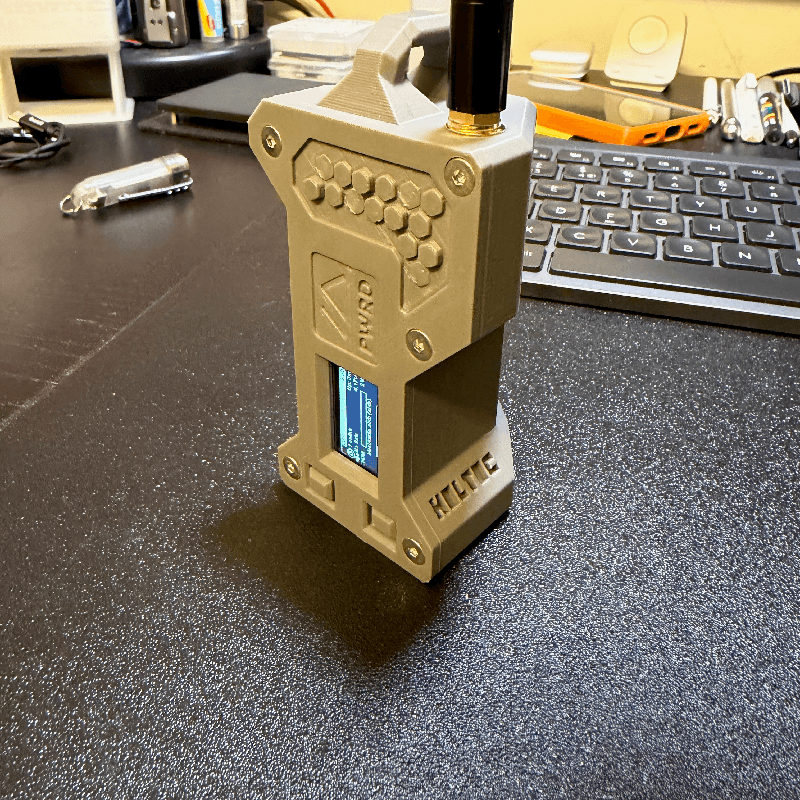
Delta Plus Proto unveils rugged Meshtastic node built for field use
Delta Plus Proto's NPH-1 swaps breadboard vibes for a $249 CNC-machined, waterproof Meshtastic node with a 5,200mAh battery and mount points.
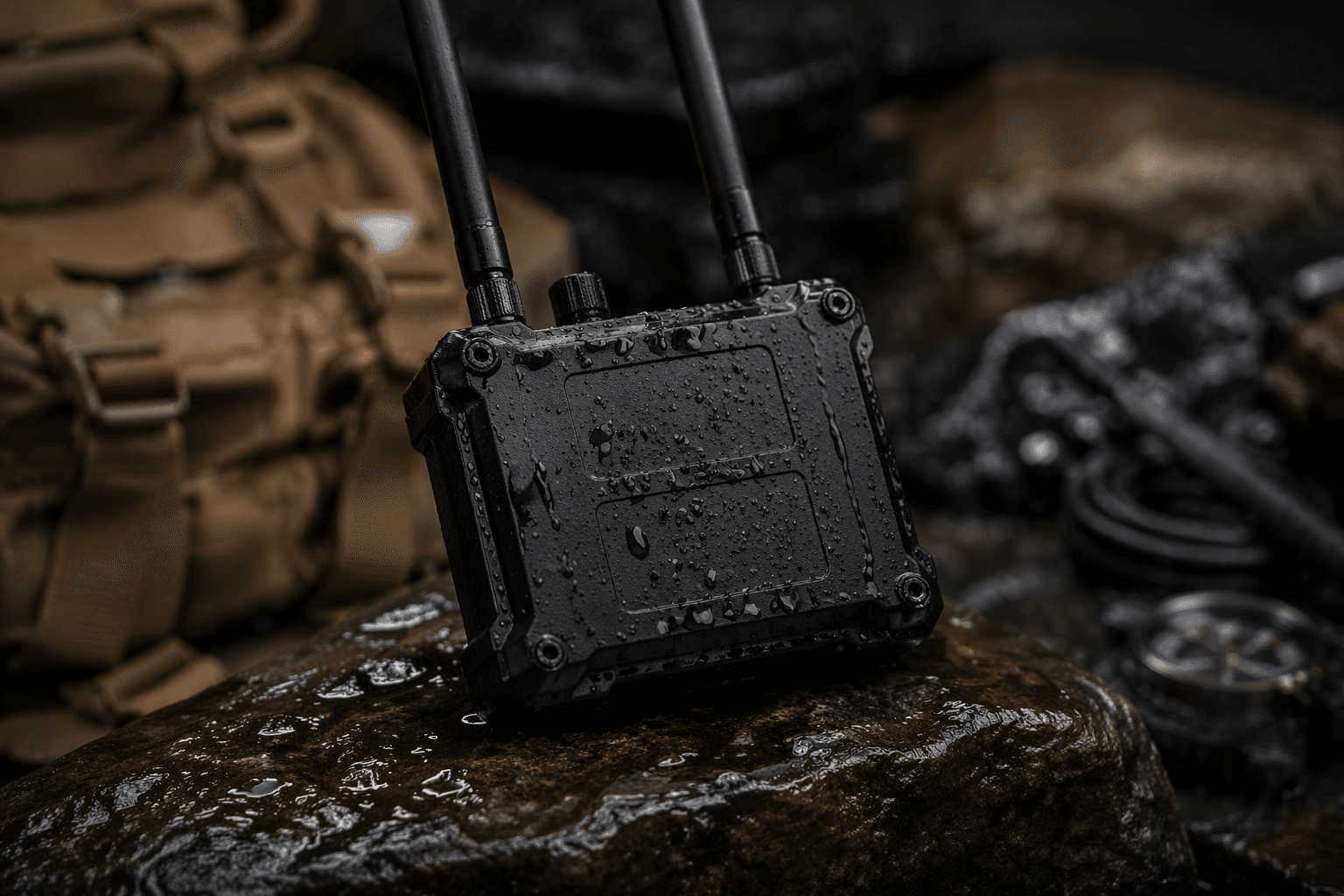
A Meshtastic node that looks ready for a trail pack, a vehicle bracket, or a wet job site is a different proposition from the usual enclosure-by-enclosure hobby build. That was the point of a June 4 post on The YouTubers Bunch, paired with a Ham Radio 2.0 video, which highlighted a hardened device sent in by Delta Plus Proto. The framing mattered: this was not a bench-top prototype, but a compact mesh node built to be mounted, carried, and used where fragile gear tends to fail.
Delta Plus Proto’s NPH-1 Persistent Meshtastic Device puts the durability story into the hardware itself. The company says the unit uses a fully CNC-machined 6061-T6 aluminum enclosure, a custom RAK4630 PCB, a waterproof USB-C port for power and firmware updates, and a removable 5200mAh lithium-ion battery pack. It also includes external LoRa and BLE antennas on SMA connectors, plus tapped M4 mounting holes for accessories, MOLLE adapters, and vehicle brackets. Delta Plus Proto says the radio is machined and assembled in the United States, and it lists the price at $249.
That package signals a clear threshold in the Meshtastic world. Standard builds often rely on project boxes, loose wiring, and the hope that a 3D-printed shell will survive the next trip. The NPH-1 is aimed at the failure modes those builds usually avoid: being strapped to gear, exposed to weather, charged in the field, or left running far from a workbench. The removable battery and waterproof port point to longer deployments, while the mounting hardware makes the radio feel less like a science project and more like equipment.
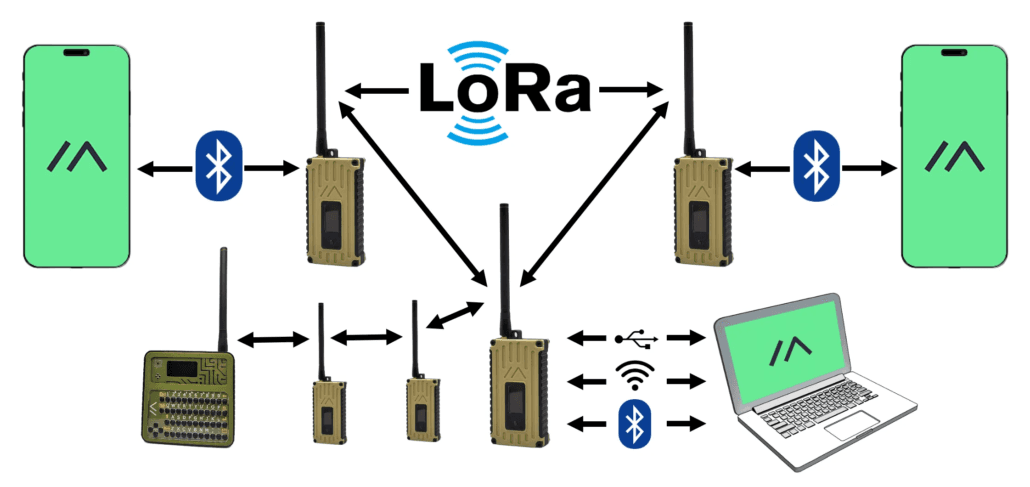
The appeal tracks with what Meshtastic has become. Meshtastic describes itself as a 100% community-driven, open-source platform that turns inexpensive LoRa radios into long-range off-grid communication tools, with encrypted messaging, excellent battery life, and optional GPS-based location features. Its network is decentralized, and phones can connect to radios over Bluetooth, Wi-Fi, or USB. For users who want off-grid messaging when cell service fails, that combination already makes Meshtastic practical; rugged hardware pushes it further into real-world use.
The timing also fits a bigger shift in the ecosystem. Meshtastic said in August 2025 that it supported over 100 devices and had split hardware into Officially Supported and Community Supported categories, a sign that the hardware landscape was getting harder to manage and easier to fragment. It also said more than 2,000 individual nodes showed up during its DEF CON 2025 deployment in Las Vegas, the largest known Meshtastic network to date. Against that backdrop, a hardened node like the NPH-1 feels less like a novelty and more like the shape of where the platform is headed: beyond improvised enclosures, toward gear built to survive the same places the mesh is meant to reach.
This article was produced by Prism’s automated news system from verified source data, official records, and press releases, then run through automated quality and moderation checks before publishing. The system is built and supervised by the people who set the standards it runs under. Read our full AI policy.
Did this article answer your question?