Heltec T114 no-screw case simplifies Meshtastic portable builds
A screwless T114 case cuts assembly friction for portable Meshtastic builds, while the battery envelope and Heltec specs keep the node serviceable in the field.
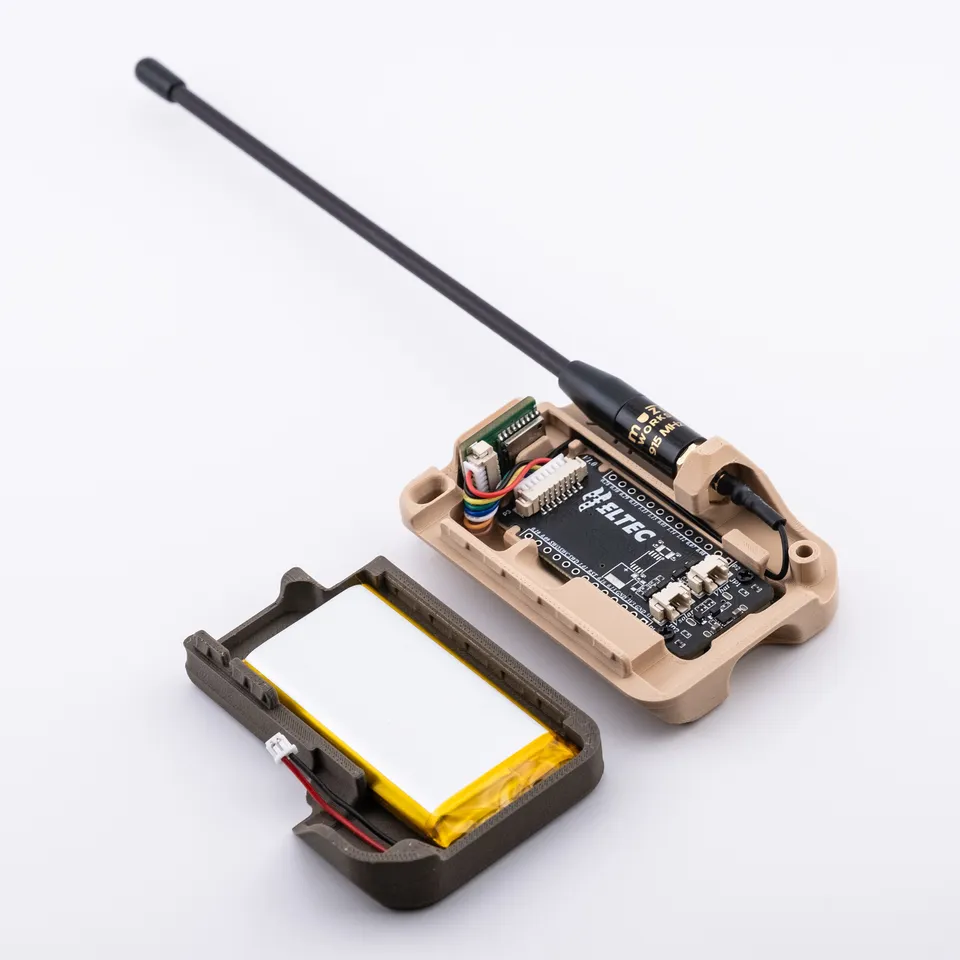
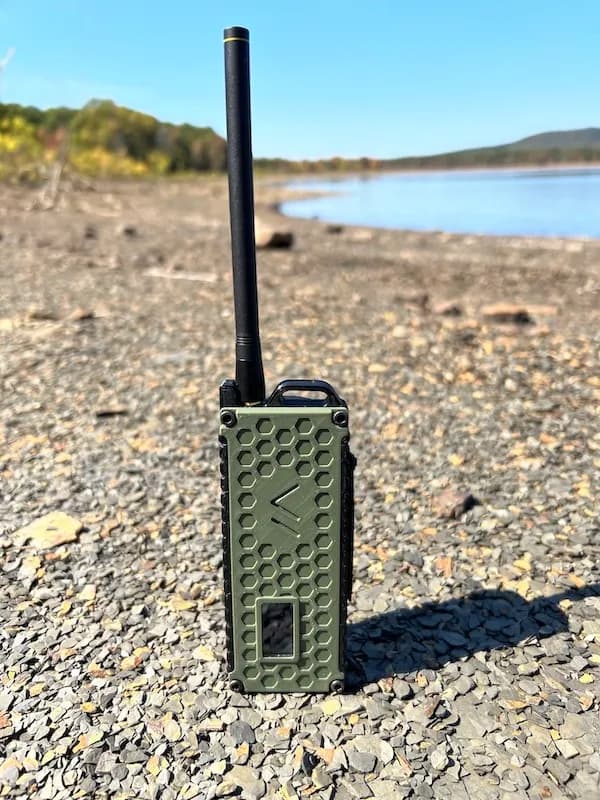
PERFstroy’s Heltec T114 no-screw case, published on Thingiverse on June 28, strips away tiny fasteners from a portable Meshtastic build and targets the part that slows people down: assembly, battery swaps, and quick field repairs.
Why the no-screw T114 case stands out
Instead of asking you to hunt down screws every time you want to open the node, the design uses a compact shell that can be assembled and reopened with less hassle. A Meshtastic device may spend one day on a bench, the next in a bag, and the next clipped to a pack or tucked into a car for a real-world test.
The listing gives a battery envelope of about 56 mm by 34 mm by 9.8 mm. You can choose a cell, check the fit, and avoid guessing whether a pack will clear the shell, the board, and any internal routing you plan to use.
The tags on the model—Heltec, LoRa, Meshtastic, and enclosure-related terms—point to a portable radio build rather than a generic electronics box.
How the T114 fits the Meshtastic habit of moving between bench and field
Meshtastic is an open-source, community-driven off-grid mesh communication system that uses inexpensive LoRa radios. It works without cell towers, Wi-Fi, or internet access, and it supports Android, iOS/iPadOS/macOS, web, and desktop clients. Meshtastic lists more than 100 community-supported devices.
That workflow tends to reward quick access. A node may need a battery change after a weekend test, a button fix after a rough ride, or a reboot when a setup changes in the middle of a trip. A screwless case does not make the radio more powerful, but it can make the device easier to trust because you are less likely to avoid opening it when something needs attention.
Meshtastic also supports optional GPS-based location features. A field node with tracking or location awareness is only useful if it stays easy to power, check, and service. The less friction between a print and a usable device, the more likely the node actually gets carried instead of sitting on the workbench as a near-finished prototype.
What the Heltec T114 brings to the enclosure decision
Heltec’s Mesh Node T114 is based on the nRF52840 and SX1262, supports LoRa and Bluetooth 5.0, and offers 5V USB, lithium battery, and solar panel power options. Heltec also lists an optional 1.14-inch TFT display and a GPS module, plus a deep sleep power consumption figure of 11 µA. The board dimensions are 50.80 by 22.86 mm, so the hardware is already aimed at compact, low-power portable use.
A low-power board with battery and solar support is the kind of platform people take outdoors, not just to the desk. Heltec lists the T114 as Meshtastic-compatible, and its nRF52840 plus SX1262 platform is part of the company’s broader line optimized for Meshtastic use.
The battery envelope in PERFstroy’s design also gives the build a practical boundary. It tells you what sort of pack the shell expects, which helps when you are choosing between tighter packaging and easier maintenance. That is especially useful in a field node, where a case that opens cleanly is often more valuable than a case that only looks sealed from the outside.
Why screwless is a real tradeoff, not just a convenience feature
A traditional enclosure with screws can feel more secure, and in some builds that matters. If you want a case that will stay closed for long periods or survive heavy handling, fasteners can provide reassurance. But they also add parts, tools, and time, and they create the very thing portable builders dread most: a tiny failure point that can strip, disappear, or slow down a simple battery swap.
The no-screw approach is the opposite philosophy. It favors access, repeatability, and fewer pieces to source. For a Meshtastic device that may be reopened often, it reduces the parts, tools, and time tied up in a battery swap or quick fix.
That comparison gets sharper when you look at other T114 cases in the ecosystem. One Thingiverse T114 enclosure uses M3 nuts and a 3000 mAh 755060 battery, which shows a more traditional assembly path with more hardware to manage. PERFstroy’s screwless version sits at the other end of the spectrum: simpler to put together and simpler to reopen.
The pattern behind the design
PERFstroy has already published similar no-screw cases for Heltec v3 and Heltec v4 boards earlier in 2026.
This article was produced by Prism’s automated news system from verified source data, official records, and press releases, then run through automated quality and moderation checks before publishing. The system is built and supervised by the people who set the standards it runs under. Read our full AI policy.
Did this article answer your question?