McClungC updates Lilygo T-Beam Meshtastic case for better usability
McClungC’s Mod3 makes the T-Beam case easier to live with, from antenna clearance to battery swaps, and that is the kind of upgrade that matters in the field.
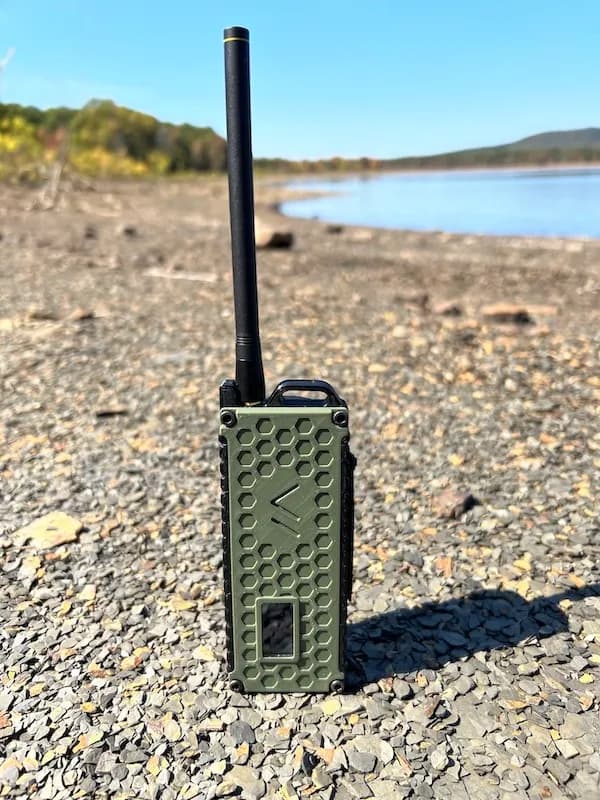
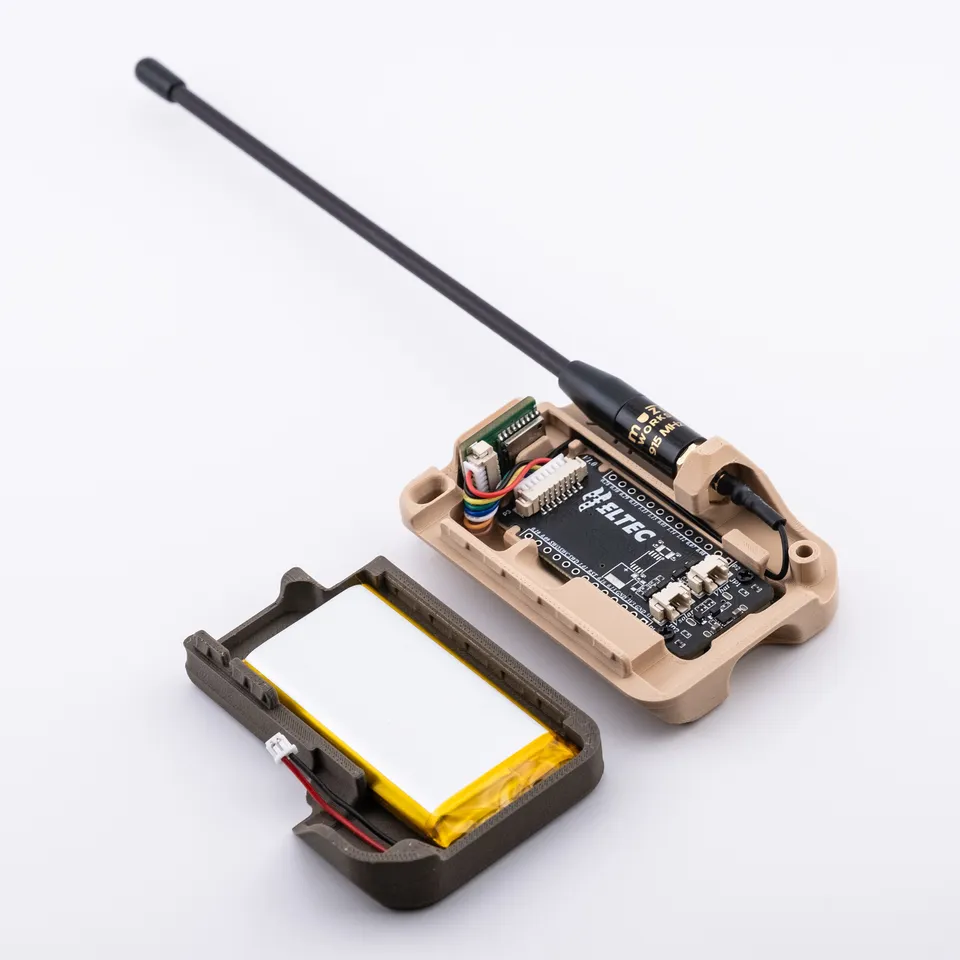
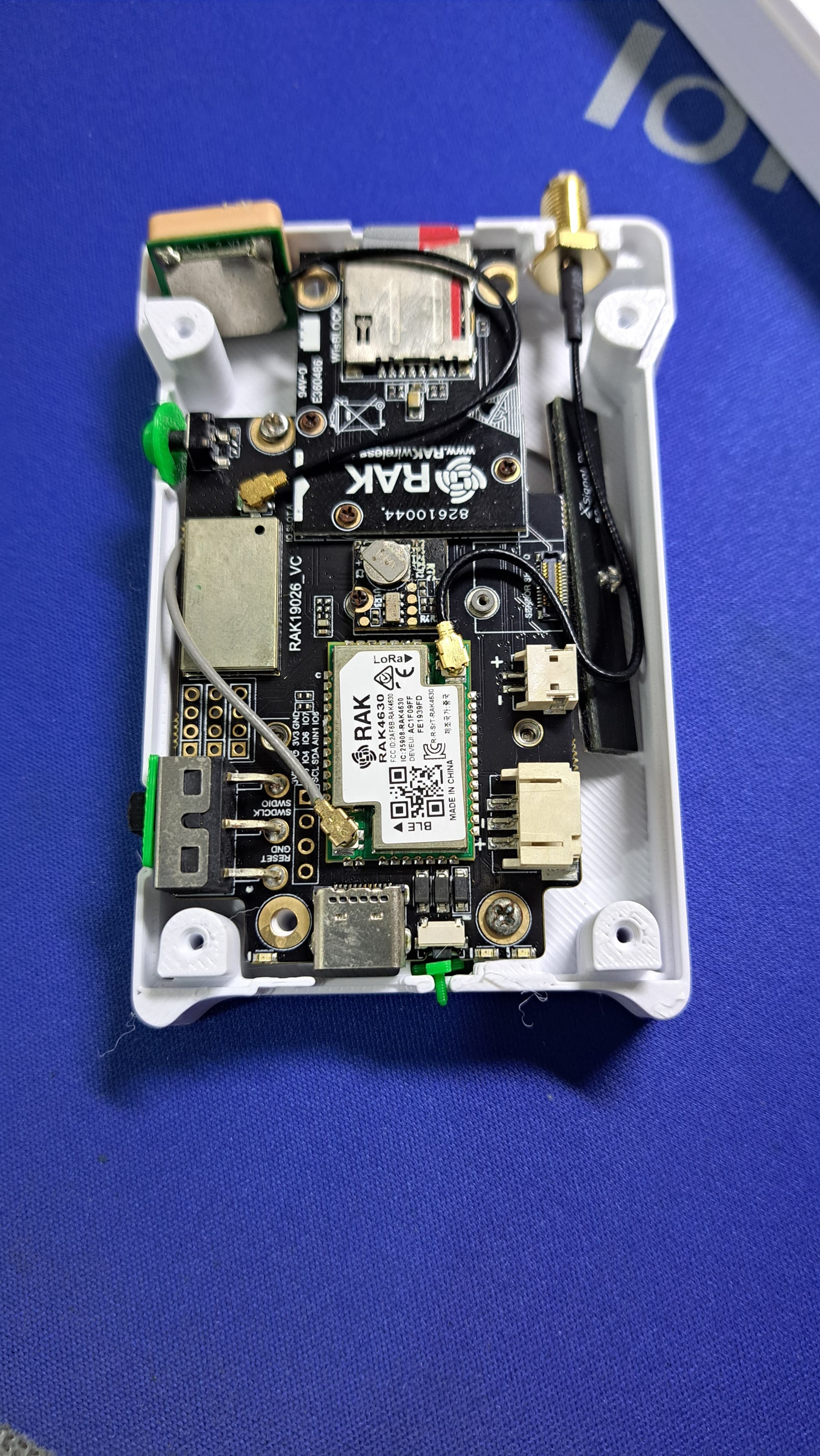
McClungC’s Mod3 revision for the Lilygo T-Beam Meshtastic case is the sort of update that only makes sense after real use. Instead of chasing a fresh look, the redesign focuses on the parts people touch most: the antenna, OLED, buttons, data port, battery bay, and lid.
What changed in Mod3
The new version tightens up the fit around the antenna and OLED screen, which should reduce the awkward extra space that can make a case feel improvised. It also opens up the data port and control buttons so the board is easier to charge, inspect, and reconfigure without fighting the shell.
Battery handling got the same treatment. McClungC added a better path for battery replacement, plus more air circulation inside the enclosure, which matters on a device that is often powered, recharged, and carried in active use rather than left on a shelf. The mounting scheme changed too, with the threaded holes for M2x12 screws replaced by 3.2 mm mounting points meant for metal inserts, a move that should hold up better through repeated openings.
The lid was reworked into a tongue-and-groove closure, a small but practical shift that should make the assembly feel cleaner and more secure. Taken together, these changes turn the case from a simple printed shell into something closer to a purpose-built field enclosure.
Why the T-Beam needs this kind of enclosure
Meshtastic is built around low-cost LoRa radios for off-grid messaging without cell towers or internet, so the hardware has to do more than sit on a desk. Meshtastic’s own T-Beam documentation treats the LILYGO T-Beam family as community-supported boards with GPS, an 18650 battery holder, and an optional screen, which makes enclosure design a real part of the user experience rather than a cosmetic extra.
LILYGO’s product page identifies the T-Beam as an ESP32-based board with LoRa, GPS, a 0.96-inch OLED display, USB Micro power, an onboard 18650 battery holder, and three onboard buttons: power, IO38, and reset. That mix explains why the case has to balance display visibility, button reach, charging access, and antenna clearance all at once.
There is also a battery-size constraint built into the platform. Meshtastic’s T-Beam documentation says the rear holder is designed for the original 18650 specification and typically fits only unprotected flat-top 18650 cells. Button-top and protected cells are usually longer than 65 mm and often approach 70 mm, which is exactly the kind of detail that turns an awkward case into a frustrating one if the enclosure does not leave enough room to swap cells cleanly.
LILYGO also says USB can power the battery holder, so the board is not just something you install and forget. It is a device that gets charged, checked, and adjusted, which makes McClungC’s easier port access and battery cutout especially relevant for anyone actually carrying a T-Beam node in the field.
Should current T-Beam owners reprint?
If your T-Beam lives in a drawer, the answer is probably no. If you carry it, swap batteries, press the buttons often, or keep revisiting the antenna and OLED, Mod3 looks like a meaningful upgrade in daily usability.
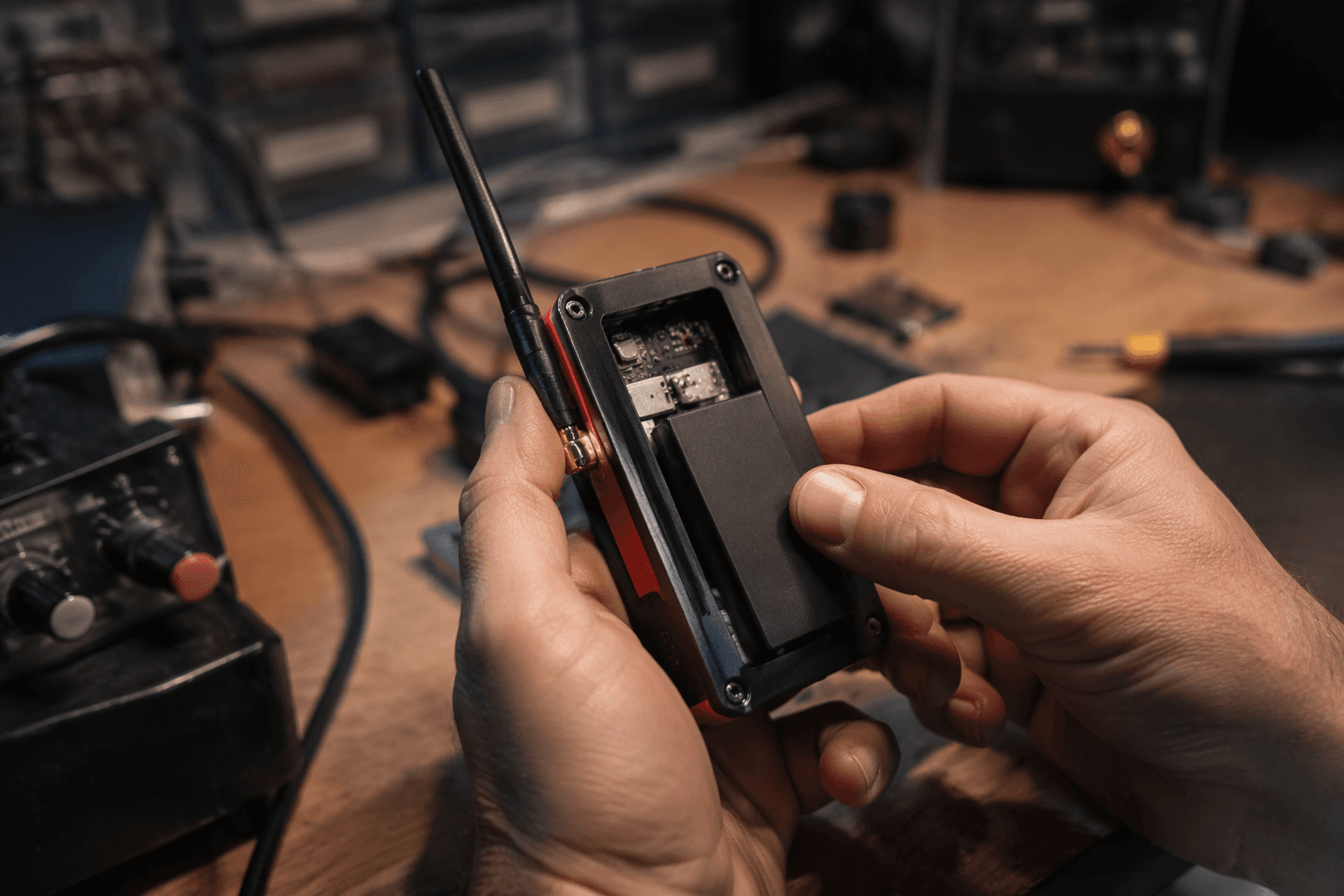
The biggest gains are practical rather than flashy:
- Easier access to the data port means less hassle when you need to charge or reflash.
- Better button access matters when the node is being tuned, tested, or recovered in the field.
- The battery-replacement path is useful because the T-Beam’s rear holder is already picky about cell shape and length.
- Improved airflow helps when the board is enclosed and powered for long stretches.
- Metal inserts and the tongue-and-groove lid should make repeated openings feel less like wear and more like maintenance.
That combination makes the revision feel aimed at real Meshtastic habits, not just the first assembly. Once a T-Beam is part of a backpack, dash mount, or field kit, the cost of a stiff port cutout or a cramped battery compartment shows up quickly.
The broader Meshtastic enclosure pattern
McClungC’s revision also fits a bigger pattern in the Meshtastic ecosystem. The T-Beam enclosure page already lists multiple community case projects and the hardware they require, including screws, nuts, and smaller fasteners for securing the board to a frame. That tells you the case conversation around this device is still active, with builders continually trying to make the same radio more portable, serviceable, and durable.
That ongoing tinkering makes sense for a board family built for off-grid communication. Meshtastic works best when the physical package supports the way people actually use it, with clear access to the screen, ports, buttons, and battery instead of trapping them behind a brittle shell.
Mod3 lands in that sweet spot. It does not try to reinvent the T-Beam, it just clears the friction out of the way, which is exactly what a good Meshtastic case should do when the node stops being a bench project and starts being part of everyday carry.
This article was produced by Prism’s automated news system from verified source data, official records, and press releases, then run through automated quality and moderation checks before publishing. The system is built and supervised by the people who set the standards it runs under. Read our full AI policy.
Did this article answer your question?