MeshMonitor v4.10.0 adds remote telemetry for distant Meshtastic nodes
Auto Remote LocalStats lets MeshMonitor poll distant Meshtastic nodes and graph their health beside local metrics. The update sharpens troubleshooting across the whole mesh.
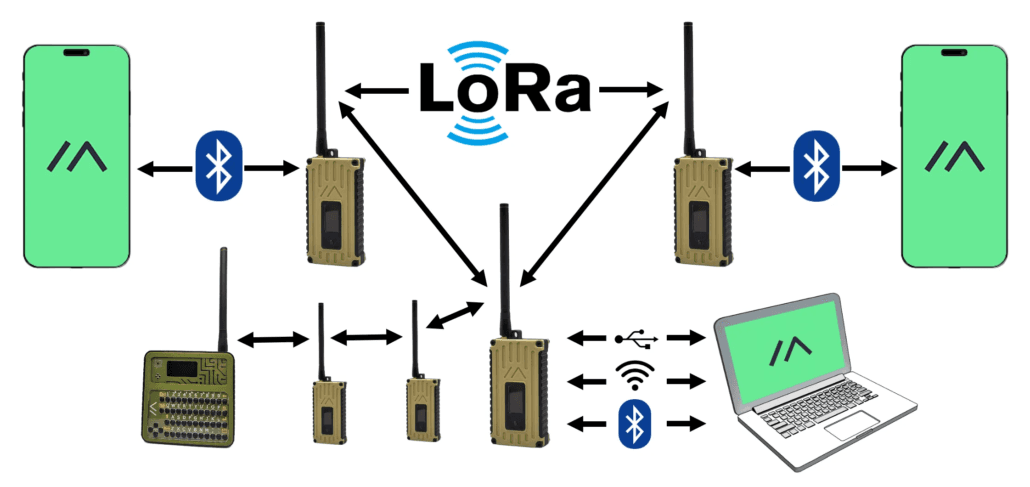
MeshMonitor v4.10.0 landed with a clear mission: make the parts of a Meshtastic network you cannot physically reach just as visible as the node on your desk. Its new Auto Remote LocalStats feature periodically polls telemetry from remote nodes and plots those replies alongside local device metrics, which turns the self-hosted dashboard into a more serious network-management tool for distributed meshes.
That matters because the useful health data in a real deployment is rarely confined to one radio. It lives on the repeater two hops away, the solar base station on the hill, and the far-side router whose channel utilization starts creeping up long before users notice lag. MeshMonitor frames itself as a self-hosted, multi-protocol web dashboard for Meshtastic, MeshCore, and MQTT networks, and this release pushes that idea from convenience toward operations. The new graphs cover noise floor, channel utilization, uptime, and packet counts from remote nodes, so operators can see whether a problem is local, upstream, or spreading across the mesh.
The targeting logic is built for actual deployments, not toy demos. Operators can pick nodes by explicit list, by role, by favorite status, or by name pattern. The polling scheduler is deliberately restrained, using round-robin selection, jitter, a schedule window, airtime gating, and a minimum interval so it does not swamp the same network it is trying to observe. MeshMonitor also switched these requests to unicast on the node’s channel, using the shared PSK rather than PKI direct messages. That detail matters because Meshtastic’s role system limits direct-message availability for infrastructure nodes, while channel names and PSKs still have to match before devices can talk on the same channel.
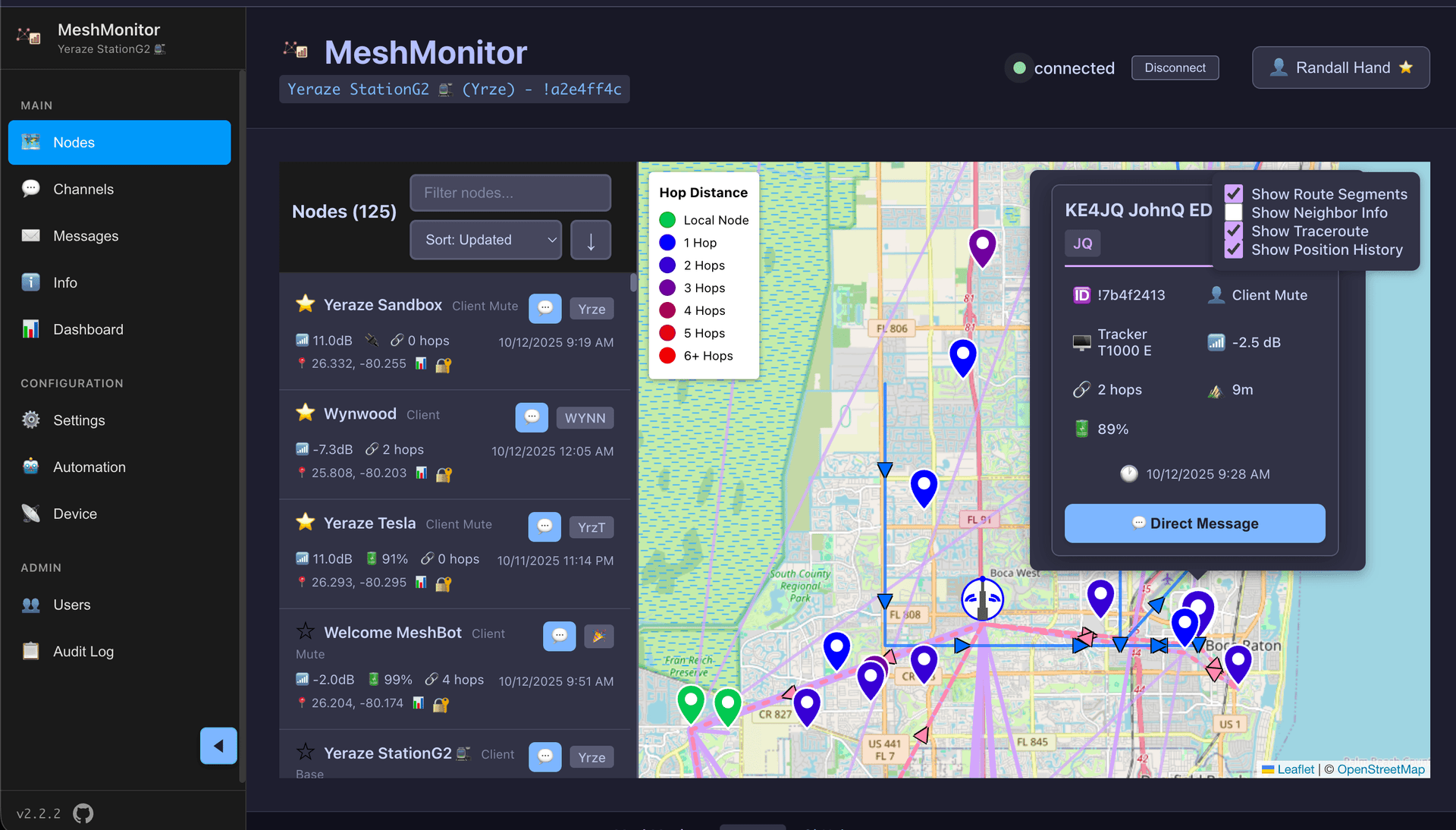
The map side of the release got a practical upgrade too. MeshMonitor added search by long name, short name, node ID, or numeric node number, plus spiderfying to separate overlapping markers and directional traceroute views to make inbound and outbound paths easier to read. Its Map Analysis workspace already pulled together coverage heatmaps, traceroute paths colored by SNR, neighbor links, hop shading, trails, and a time slider. Version 4.10.0 also preserves per-browser settings in localStorage, which makes repeated field work less fiddly.
The update ties neatly into Meshtastic’s own evolution. Firmware 2.7.25 added a noiseFloor field, and MeshMonitor now charts it. Meshtastic’s device roles include CLIENT, CLIENT_BASE, REPEATER, ROUTER, ROUTER_LATE, SENSOR, TRACKER, LOST_AND_FOUND, TAK, and TAK_TRACKER, with REPEATER and ROUTER meant to extend coverage by rebroadcasting packets. In a world of hills, canyons, and dense urban clusters, MeshMonitor v4.10.0 makes the far end of the mesh less of a mystery and more of a managed asset.
This article was produced by Prism’s automated news system from verified source data, official records, and press releases, then run through automated quality and moderation checks before publishing. The system is built and supervised by the people who set the standards it runs under. Read our full AI policy.
Did this article answer your question?