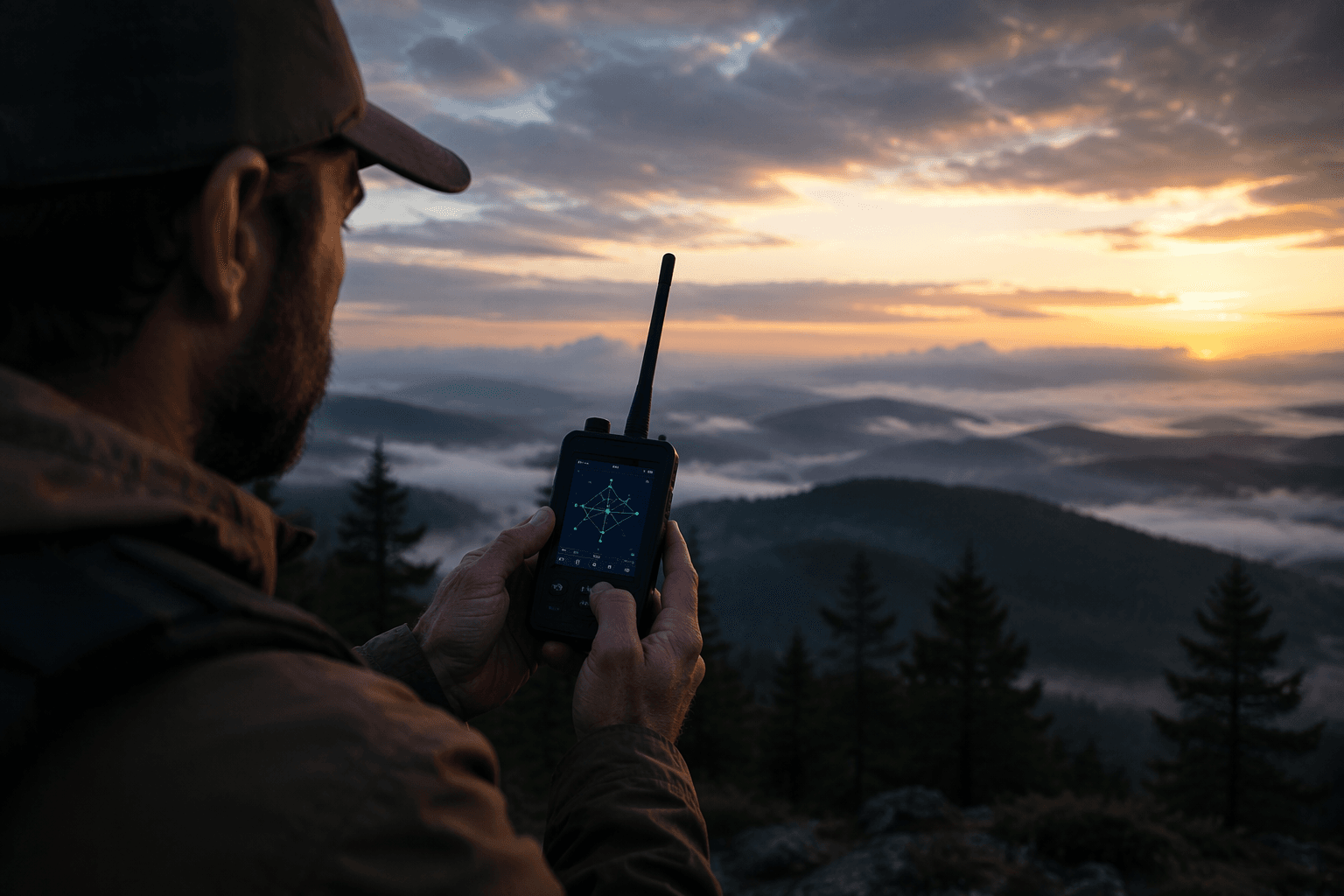
Meshnology’s W10 board packs LoRa, GPS, camera, and sensors
Meshnology's W10 folds LoRa, GPS, audio, camera support, and sensors into a $47.99 ESP32-S3 board, cutting the breakout-board pile for Meshtastic experiments.

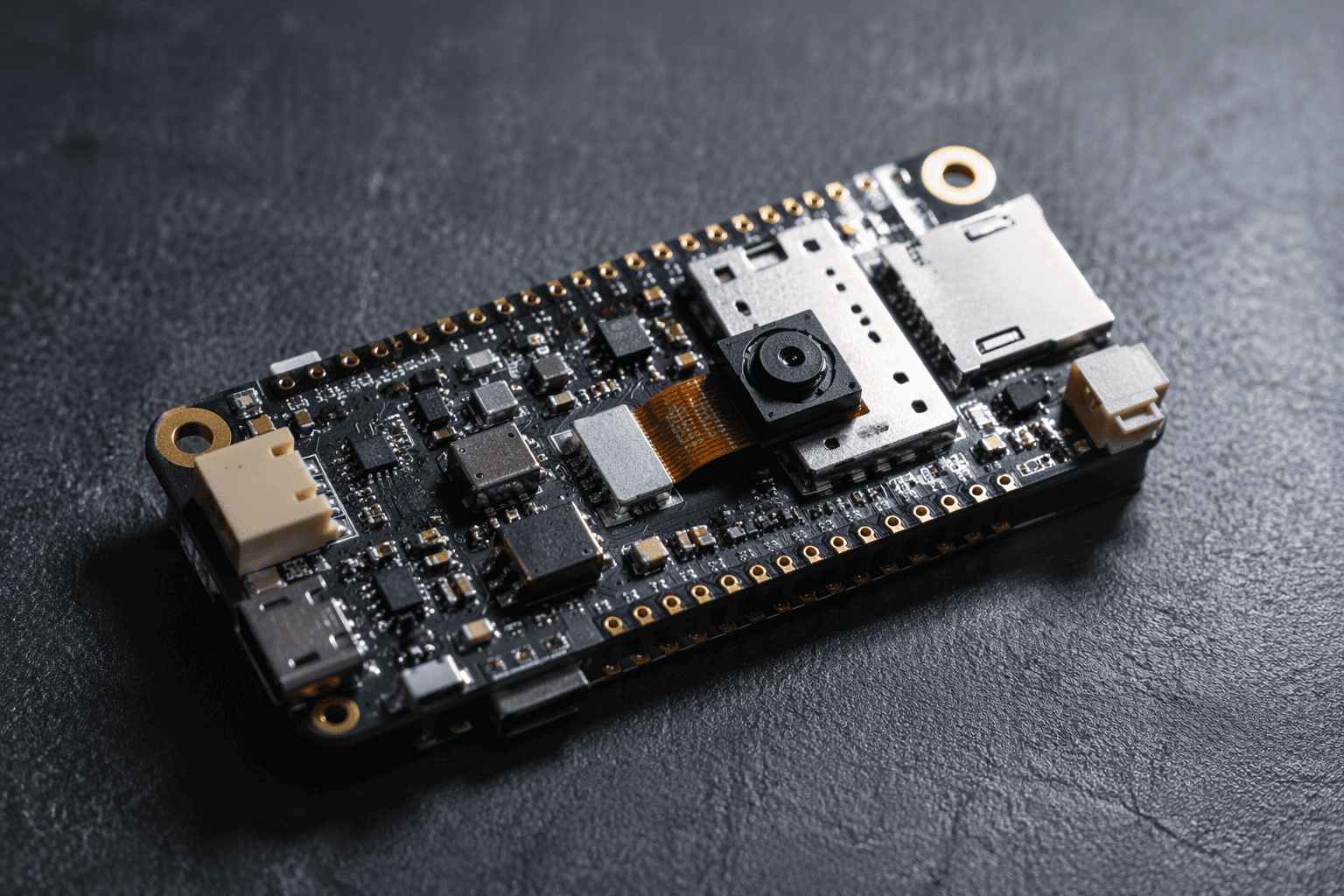
Meshnology’s W10 tries to erase the usual first hour of a Meshtastic-adjacent build: the scavenger hunt for a radio, a GPS module, a display, a sensor board, and enough jumper wires to make the desk look like a bird nest. The June 23 release bundles an ESP32-S3, LoRa, GPS, an audio codec, an IMU, temperature and humidity sensing, camera support, and a display into one Arduino-compatible platform.
The pitch is not just convenience for convenience’s sake. Meshnology positions the W10 as an AIoT development lab for debugging software, expanding peripheral modules, and testing performance on a single slab of hardware. The complete kit starts at $47.99, which puts it in the range of many hobby starter boards while giving builders far more integrated hardware than a typical pieced-together prototype. Meshnology also offers 915 MHz and 868 MHz variants, and says the radio section uses an SX1262-based LoRa module covering 850 to 930 MHz.
That matters for Meshtastic because the hard part of many experiments is not the mesh software. It is getting to a point where the software can actually be tested in a real enclosure, on real power, with real sensors and a user interface. A board like the W10 lets you move faster on ideas like location-aware nodes, field dashboards, voice prompts, camera-assisted workflows, or sensor fusion without spending a day wiring breakout boards before the first packet ever moves. It also gives small teams and students a quicker way to learn what breaks when LoRa, GPS, audio, and environmental sensing all live together.
Meshnology says the W10 supports LoRaWAN and targets smart-city, industrial-control, and related IoT deployments, which makes its ambitions broader than a simple tracker. In Meshtastic terms, though, it reads more like a capable development platform than a finished low-power node for long-haul field duty. Dedicated trackers and compact mesh devices still matter when battery life and portability come first.
Meshtastic’s own hardware docs show why that distinction matters. The project already spans integrated devices such as the T-Echo, with its E-Ink screen, GPS, and battery, and ESP32-S3 and SX1262 boards such as the T-Beam S3-Core and T-BeamSUPREME. Meshtastic also leans on managed flood routing to keep resource overhead low and avoid route-discovery complexity, so hardware that packs in more application features can spend less time on plumbing and more time on the job. The W10 fits that direction neatly, even if its biggest strength is still helping builders get to a working prototype before the coffee cools.
This article was produced by Prism’s automated news system from verified source data, official records, and press releases, then run through automated quality and moderation checks before publishing. The system is built and supervised by the people who set the standards it runs under. Read our full AI policy.
Know something we missed? Have a correction or additional information?
Submit a Tip