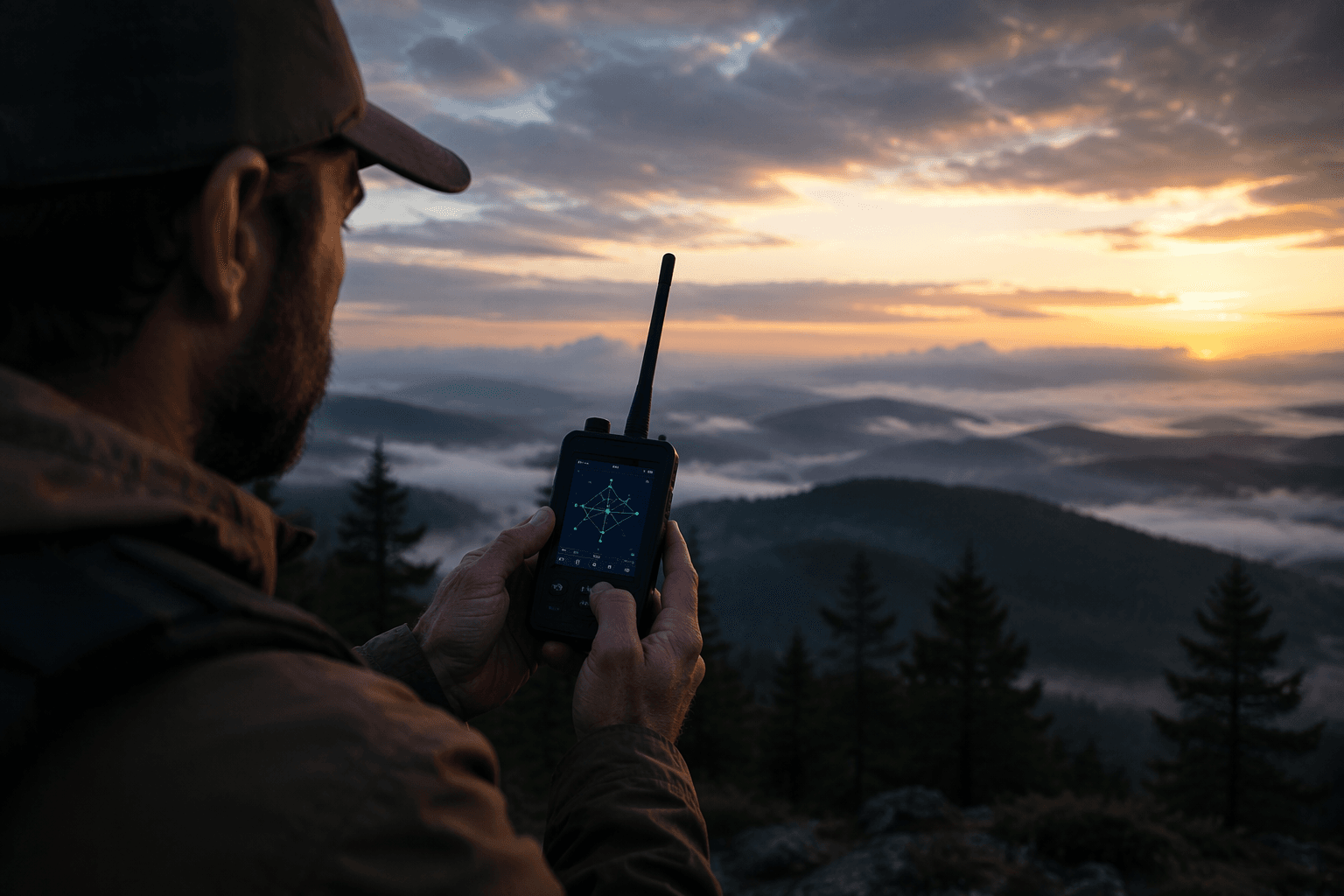
Meshtastic 2.7.26 adds hardware fixes, smarter GPS time syncing
Meshtastic 2.7.26 refreshes GPS time every 30 minutes and adds broader board support, aiming to quiet the drift and hardware quirks that hit field nodes.

Should you update if you already have nodes in the field? Meshtastic 2.7.26, published June 23 as alpha build v2.7.26.54e0d8d, is the kind of release that answers yes for operators who care more about stable behavior than shiny new features. The release leans on practical fixes: LoRa LED receive feedback, wider coverage for RAK 6421, 13300 and 13302 modules, Zebra and Nebra Hat configs, a standard GPS enable pin for M3 boards, and new configs for the B&Q Station G3. Contributors on the build include vidplace7 and jp-bennett.
That hardware spread matters because Meshtastic is built as an open-source, off-grid, decentralized mesh network for affordable, low-power devices. In practice, that means the project lives or dies on whether different radios, hats and accessories behave consistently once they are strapped to a roof, mounted in a vehicle or left running on solar. The new RAK, Zebra, Nebra and B&Q entries do not read like headline material, but they reduce the kind of board-specific tinkering that turns a deployment into a maintenance chore.
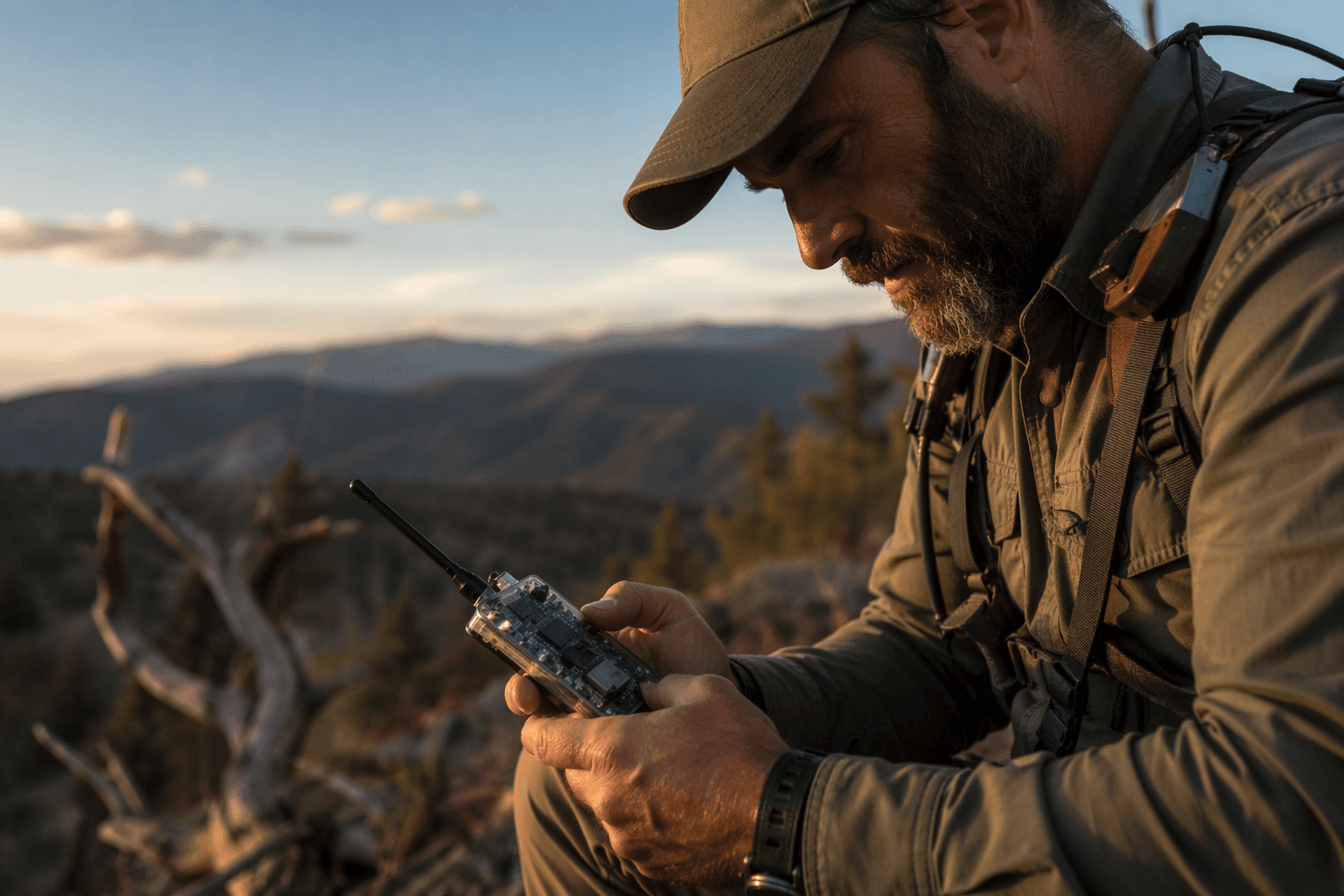
The biggest day-to-day change for deployed nodes is time. Meshtastic 2.7.26 now refreshes time from GPS every 30 minutes, which should keep long-running nodes closer to real time and reduce the slow drift that can muddy logs and make troubleshooting harder later. Meshtastic’s own position documentation says GPS position data can come from either the radio or a paired phone, and that time calculations need at least one mesh device with GPS, RTC or internet NTP access. In that context, more regular GPS syncing is not cosmetic. It is the difference between tidy timestamps and a network that gradually starts telling its own version of the day.
The same maintenance logic shows up in the GPS power changes. Meshtastic’s device documentation already notes that some boards can toggle GPS with a triple-press of the user button, but 2.7.26 adds a standard GPS enable pin on M3 hardware, a cleaner way to manage power across mixed installs. For operators who have watched a node waste battery because GPS could not lock, or who have had to visit a site just to untangle a board-specific setting, that is the sort of small standardization that saves real time.
The rest of the release keeps that same tone. The T-Deck Plus gets a touch driver fix, native builds can now enable the Adafruit SHTC3 library, the phone API skips a manifest scan when a client only wants node-info data, and nRF52 LittleFS gets an empty-name guard. Meshtastic’s June 2025 2.7 preview already framed the line as a major UI overhaul with BaseUI, but 2.7.26 is the quieter kind of release that matters once nodes are already out in the field.
This article was produced by Prism’s automated news system from verified source data, official records, and press releases, then run through automated quality and moderation checks before publishing. The system is built and supervised by the people who set the standards it runs under. Read our full AI policy.
Know something we missed? Have a correction or additional information?
Submit a Tip