MeshPulse v2.5.0 rebrands Meshtastic mapper, keeps data and dashboards intact
MeshPulse v2.5.0 changed the project’s name, site and service labels, but kept the mapper’s data and dashboards intact with migration tools for existing installs.

Meshtastic Network Mapper did not get a feature rewrite in its latest release. It got a new name, MeshPulse, and a migration path built to keep existing nodes, stats and configuration moving without breaking the dashboards operators already rely on.
The v2.5.0 release, dated May 15, 2026 at 16:02, is a branding-only change driven by Meshtastic trademark compliance. Functionality stays identical to v2.4.9, but the project has been renamed across the board: the web presence now uses MeshPulse, the GitHub repository has been moved to a new home under the MeshPulse name, and the systemd service has changed from meshtastic-mapper to meshpulse. For anyone running the mapper in a home lab or field setup, that means the work is less about learning a new tool than making sure scripts, services and bookmarks point at the right label.

The migration script is the part that protects continuity. It copies existing nodes, stats and configuration into the new /meshpulse/ path and sets up redirects from the old /meshtastic/ URL, so operators do not have to rebuild their history just because the branding changed. The old web address now points users toward the new identity, which matters for searchability as much as for trust: the project name on the dashboard, the service name on the box and the name people type into a search bar now all line up.
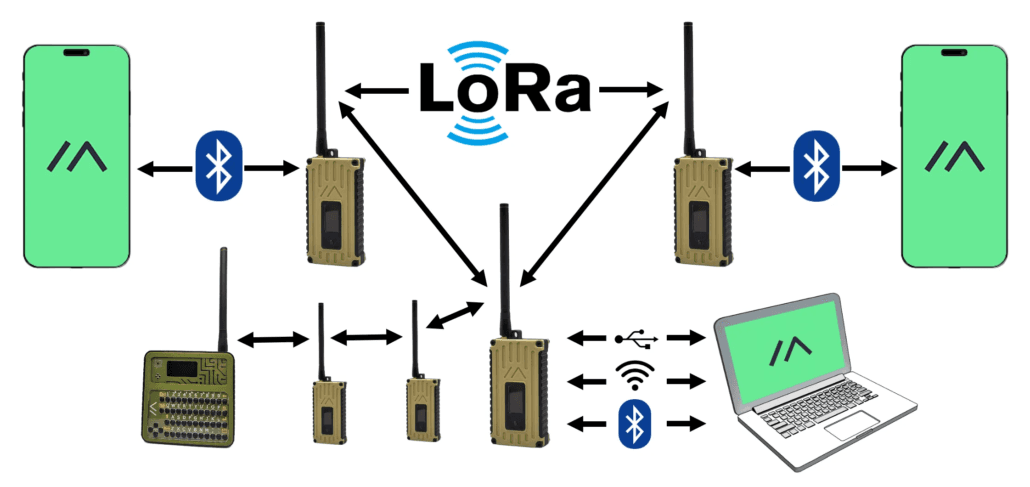
That matters because MeshPulse is not a toy status page. It is a real-time web visualization layer for Meshtastic networks, with live node maps, color-coded node status, device configuration tabs, RF coverage maps, packet statistics, traceroute and line-of-sight analysis, message views and a plugin system. The README says it supports USB serial and TCP or Wi-Fi connections, real-time WebSocket updates, a JSON API, multi-tracker support and message persistence across restarts. It is also light enough to run on a Raspberry Pi B+ with 512 MB of RAM, which keeps it in reach for small deployments.
The release lands after a fast run of prior work. Version 2.4.9, released May 6, 2026, focused on traceroute reliability and smarter packet provenance tags, while 2.3.0-stable on April 20, 2026 added a Plugin Store, MQTT Proxy and Backup & Restore. MeshPulse’s companion coverage service also uses the Longley-Rice ITM model with real elevation data, underscoring how the project has grown from a mapper into a broader Meshtastic operations stack. The new name may be cleaner, but the bigger story is that the data, dashboards and day-to-day workflow stayed intact.
This article was produced by Prism’s automated news system from verified source data, official records, and press releases, then run through automated quality and moderation checks before publishing. The system is built and supervised by the people who set the standards it runs under. Read our full AI policy.
Did this article answer your question?