Meshtastic 2.7.25 alpha adds new boards and position precision fixes
Meshtastic’s newest alpha widens board support and keeps forwarded location data sharper, a practical boost for hikers, search teams, and fixed mesh nodes.
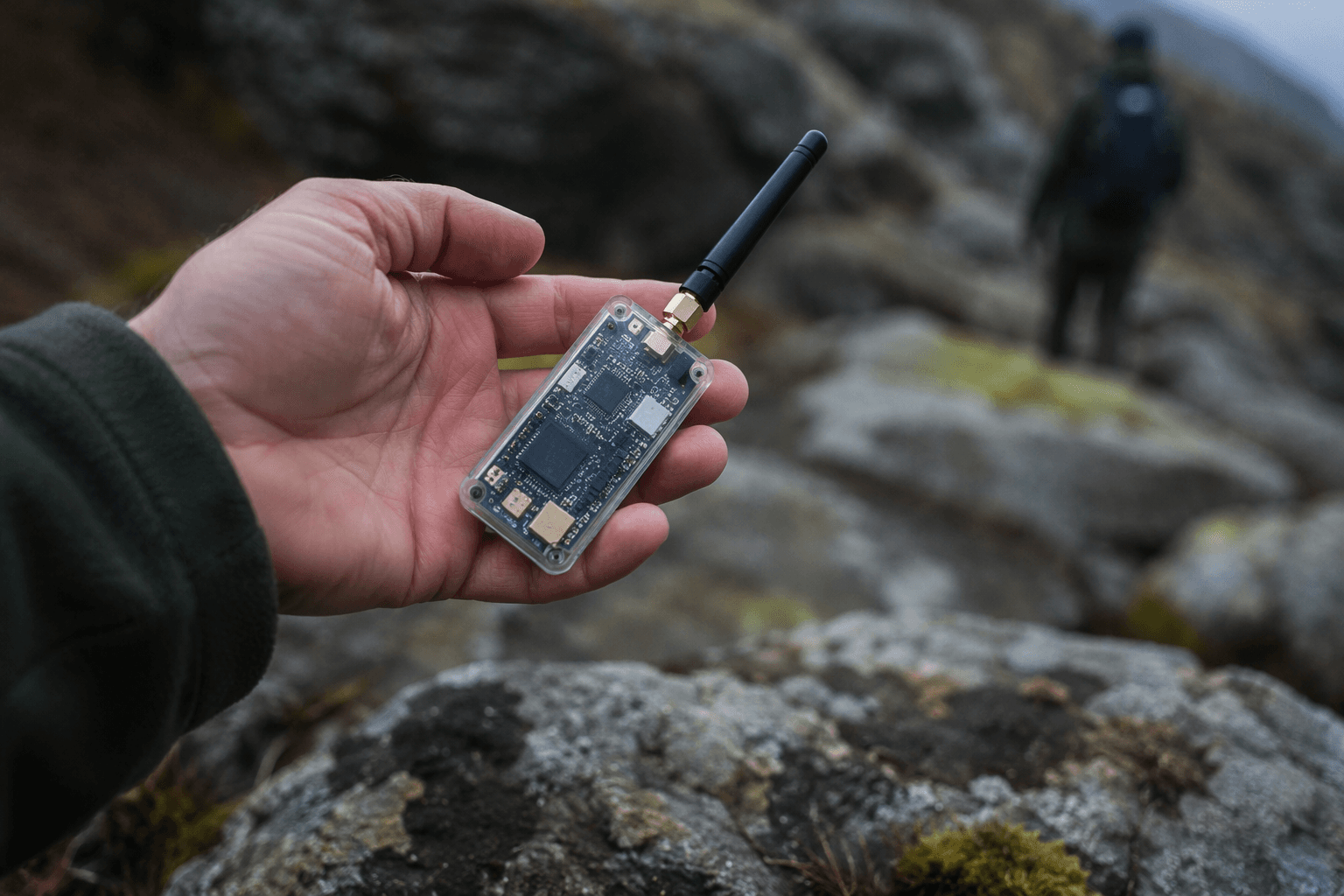
Meshtastic’s latest alpha did the kind of work field users feel immediately: it broadened the list of boards that can join a mesh and tightened how position data survives the trip from node to node. The 2.7.25.104df5f build landed on GitHub on June 8, and its biggest payoff is not polish for the sake of polish, but less friction for networks that mix handhelds, trackers, routers, and repeaters in real-world use.
The hardware list keeps growing. This release added support for the Heltec mesh node t1 and the Lilygo T-Impulse-Plus, while also introducing a new module configuration for RAK6421 Slot 2 YAMLs and updating ThinkNode M7 pins. In a community where one mesh often combines different vendors and different form factors, that kind of expansion matters fast: it gives more people a path to flashing the board they already own, and it reduces the odds that one device becomes the odd one out in an otherwise working deployment.
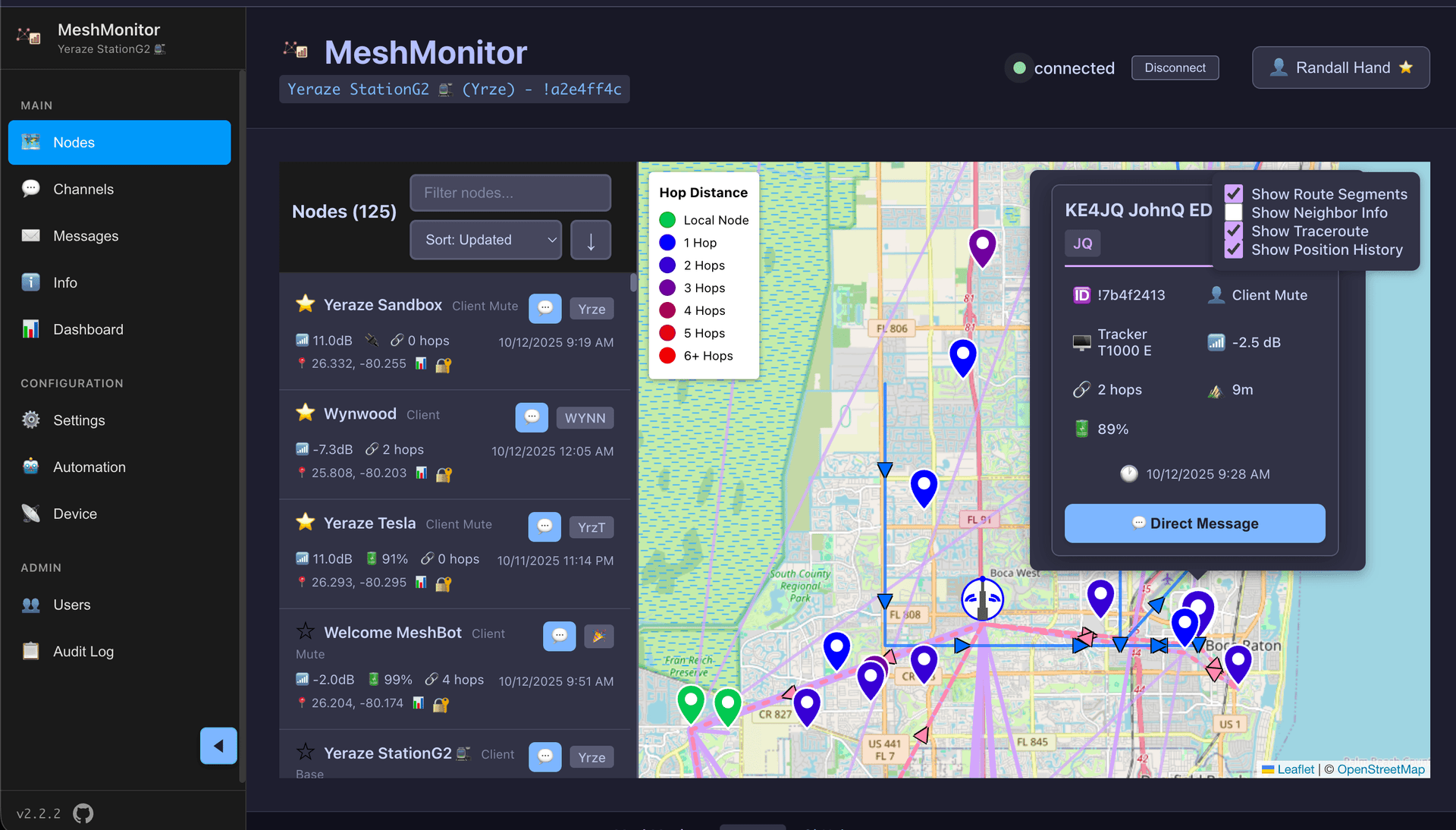
The more important change for many deployments is the position work. Meshtastic fixed forwarded position payload precision so location data is less likely to be rounded or degraded as it moves through the mesh. That is a direct gain for hiking groups sharing waypoints, search teams logging moving assets, and fixed-node maps built from repeated position reports. Meshtastic’s own documentation says location precision is configurable at the channel level, map-report precision can be set in MQTT, and range-test guidance warns that low precision can prevent true locations from being recorded. In practice, that means this alpha is aimed at the exact places where sloppy coordinates create confusion: trail junctions, perimeter sweeps, and long-running mapping nodes.
The release also continued a quieter but crucial push on timekeeping and sensor reliability. RTC handling was adjusted so nodes can fall back to system time, with unit test support added for that behavior, and SHT2x detection was fixed against INA219 addresses. Those are the kinds of problems that do not grab attention on a changelog at first glance, but they can decide whether a node boots cleanly, reports sensibly, and stays useful when power or hardware conditions are not ideal. Meshtastic’s official positioning still frames the project as an off-grid, decentralized network built on affordable, low-power devices with no cell towers and no internet, and this alpha reads like a direct extension of that promise.
That is the real thread running through 2.7.25.104df5f: more boards, cleaner coordinates, and fewer surprises when the mesh leaves the desk and goes into the field.
This article was produced by Prism’s automated news system from verified source data, official records, and press releases, then run through automated quality and moderation checks before publishing. The system is built and supervised by the people who set the standards it runs under. Read our full AI policy.
Know something we missed? Have a correction or additional information?
Submit a Tip