Meshtastic adds Northwest Ohio Mesh to local groups list
Northwest Ohio Mesh landed in Meshtastic’s local directory, making it easier for nearby users to find nodes, get setup help, and build real deployments.
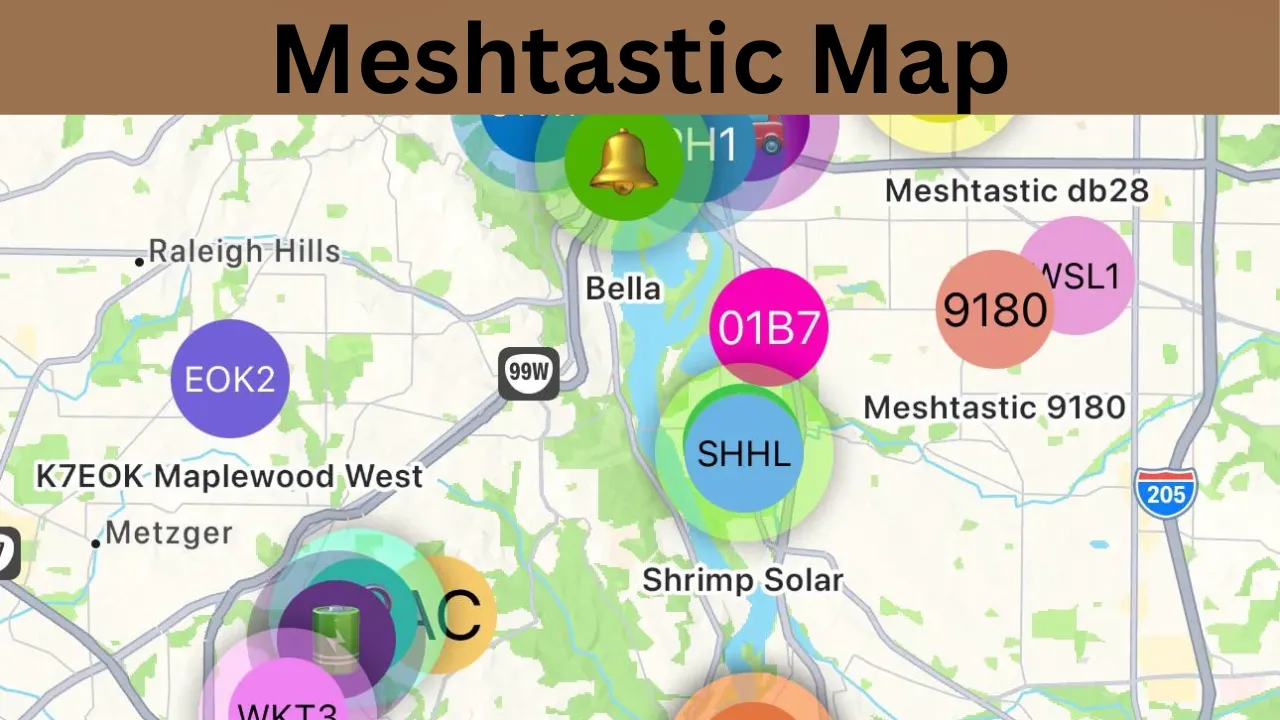
Discoverability is the payoff when a mesh moves from a few private experiments to something neighbors can actually find. Meshtastic added Northwest Ohio Mesh to its local groups list after hatchr said the group had “just added a splash page” and belonged on the page. For users in Northwest Ohio, that turns a loose regional effort into something easier to spot, contact, and build around.
Meshtastic’s community page is built for exactly that kind of local momentum. It lists groups that have been actively organizing Meshtastic networks in their regions and tells newcomers to contact those groups for help getting started or contributing. Organizers with an online presence can request inclusion by editing the page directly or reaching out on Discord. The directory already spans many countries, multiple U.S. states, and Canadian provinces, so Northwest Ohio is joining an established map of live regional scenes rather than starting from zero.
The listing also carries a set of public-facing rules that make inclusion meaningful. Meshtastic says listed groups must follow trademark guidelines, cannot use the format “Meshtastic [Your City Here]” in a group name or site title, and must keep Discord invite links from expiring. If a group uses the logo, it should stay secondary to the group’s own branding, or use the M-Powered logo or a custom design if there is any uncertainty. That means the Northwest Ohio entry is not just a mention. It is proof that somebody has built something stable enough to fit the project’s standards.
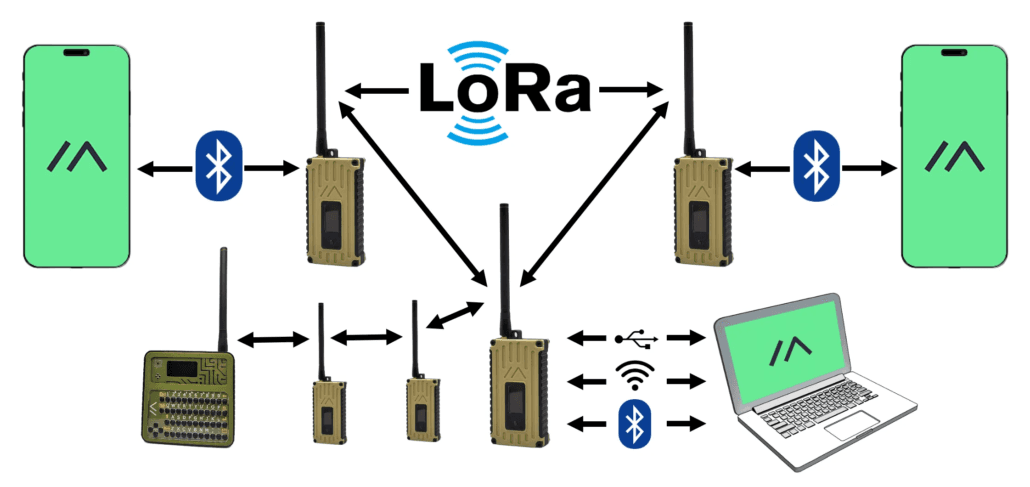
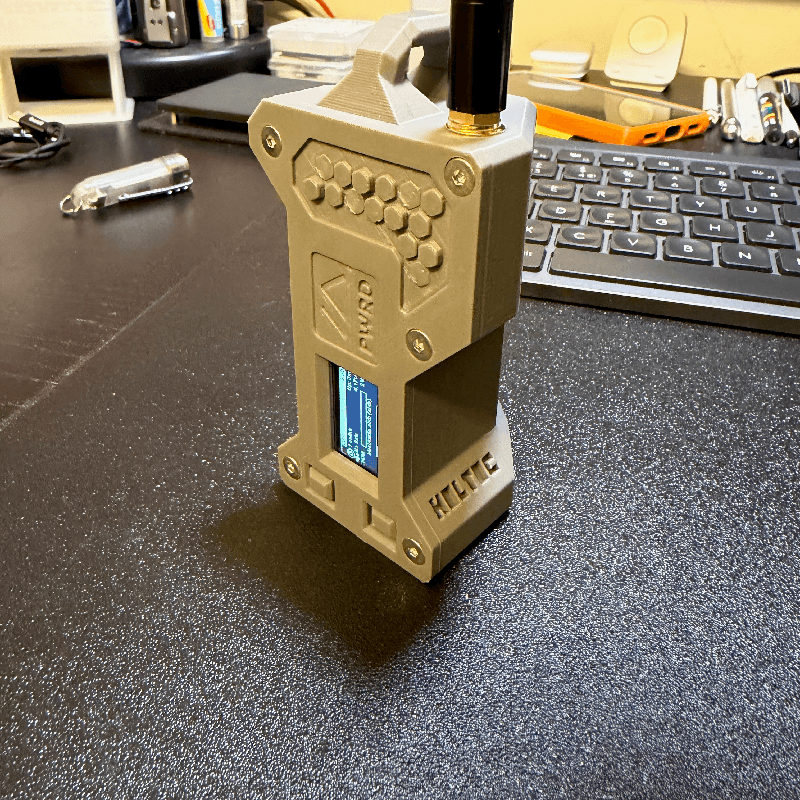
That stability is where the real value shows up for local users. Meshtastic describes itself as an open source, off-grid, decentralized mesh network built to run on affordable, low-power devices, and it says the project is 100 percent community driven. A directory listing gives nearby users a practical starting point when they want to compare antennas, test range, or decide which hardware belongs in the field instead of on a desk. It also makes it easier to coordinate meetups and deployment plans with people who are already working the same stretch of ground.
Behind the scenes, Meshtastic says the work runs through GitHub across more than 100 repositories, with contributors volunteering in their off hours. That is why a small update like Northwest Ohio Mesh’s new entry matters. In a volunteer-built project, the groups that become discoverable are often the ones most likely to become durable, and this splash page puts Northwest Ohio one step closer to being a name local users can actually join.
This article was produced by Prism’s automated news system from verified source data, official records, and press releases, then run through automated quality and moderation checks before publishing. The system is built and supervised by the people who set the standards it runs under. Read our full AI policy.
Did this article answer your question?