Meshtastic adds public status page for real-time network transparency
A public status page now gives Meshtastic operators one place to check whether a fault is on their node, their network, or the project itself.

When a node goes quiet, the first question is no longer a guess. Meshtastic’s new public status page gives operators one place to check real-time and historical system performance before they start reflashing hardware, swapping antennas, or blaming the local link.
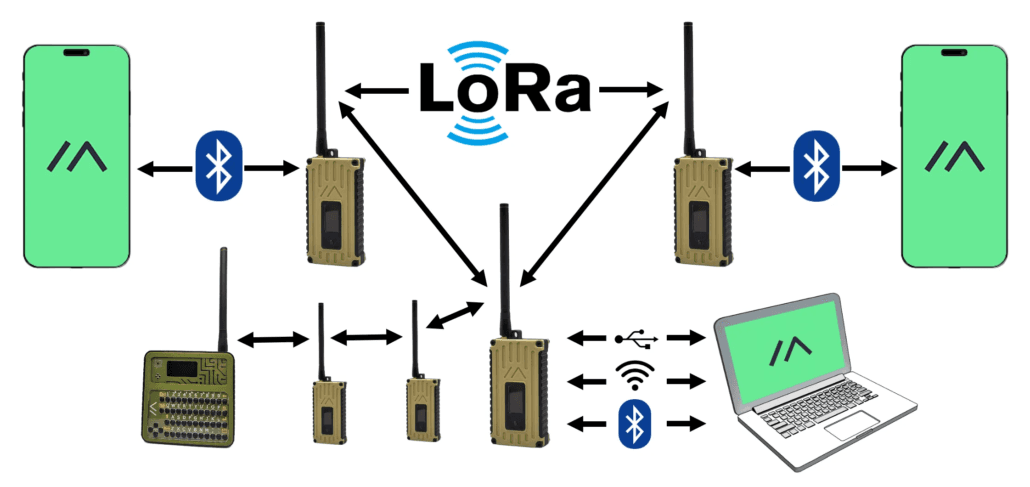
For a network built around affordable, low-power devices, that matters. Meshtastic describes itself as an open-source, off-grid, decentralized mesh with no cell towers, no internet, and peer-to-peer connectivity, which means users often depend on a mix of firmware, phone apps, browser tools, and shared services to keep everything moving. The status page turns that support stack into something visible. If a login fails, a download stalls, or a web client seems sluggish, the page gives a quick read on whether the issue is local, regional, or on Meshtastic’s side.

That is a practical upgrade for both ends of the community. A newcomer trying to flash firmware or connect a browser client can check the page before chasing a device problem that is really a service problem. A seasoned operator can use it to separate a bad node configuration from a broader outage, then answer support questions with facts instead of hunches.
The project’s own infrastructure makes that kind of transparency feel overdue. Meshtastic’s GitHub organization lists 6.7k followers and spans the core pieces of the ecosystem, including firmware, Android, Apple, web, and web-flasher. The Meshtastic Web client runs directly in the browser and can be used as a hosted app or self-hosted, which makes shared service health part of the everyday experience for a lot of users.
Behind the scenes, Meshtastic also leans on GitHub Actions for continuous integration and delivery across firmware, web, Android, Python, and OpenWrt. GitHub gives the project 20 runner slots, and Meshtastic supplements that with self-hosted runners. Its documentation says the project prefers datacenter-based hosting with reliable cooling, power, and network because reliability matters after past problems with home desktops and network dropouts.
That is why the status page reads like more than a convenience. It is a small but important sign that Meshtastic is treating its shared services like infrastructure, not just code. For a community that values resilience, having one dashboard for outages, degraded services, and historical incidents makes the whole mesh easier to trust when the screen goes blank.
This article was produced by Prism’s automated news system from verified source data, official records, and press releases, then run through automated quality and moderation checks before publishing. The system is built and supervised by the people who set the standards it runs under. Read our full AI policy.
Did this article answer your question?