Meshtastic docs add Linux radios as daemon-based deployments expand
Meshtastic’s docs now start adding Linux radios to meshtasticd, making always-on gateways, relays, and test rigs easier to set up.

Meshtastic’s documentation tree picked up a change that matters for anyone building beyond handheld nodes: meshtasticd is now starting to add Linux radios. The commit trail in the docs repository marks the work item clearly, and it points to a project that is documenting Linux-native and gateway-style deployments with far more precision than before.
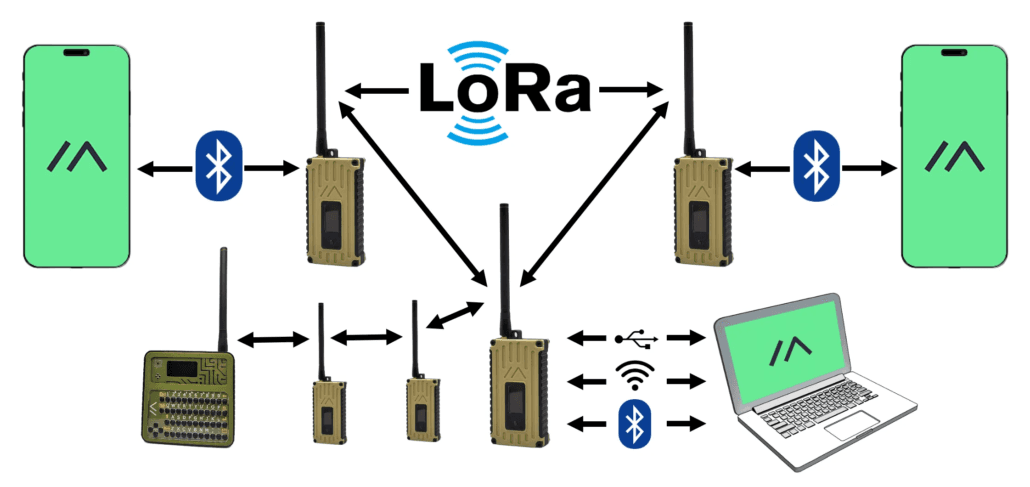
That shift fits the way Meshtastic already describes meshtasticd. The daemon is supported on macOS and Linux, and the docs say it can run on devices with SPI or USB radios. Its typical use cases are not limited to experimentation. Meshtastic lists always-on base stations, network gateways, MQTT bridges, home automation integrations, and remote monitoring nodes as the kinds of jobs meshtasticd is meant to handle.
The Linux side of the project has also grown into a broad deployment path. Meshtastic’s installation docs cover Debian, Raspbian, Ubuntu, Fedora, Red Hat through EPEL, Docker, Flatpak, OpenWrt, and NixOS. The feature matrix shows USB-radio support across many of those Linux targets, with SPI-radio support available on several of them as well. For anyone deciding whether a Raspberry Pi, an SBC in a weatherproof box, or a router-based setup belongs in a mesh, those details make the difference between a promising idea and a build that can actually go live.
The usage docs make the operational picture even clearer. Meshtasticd’s default configuration lives in /etc/meshtasticd/config.yaml, radio presets can be copied from /etc/meshtasticd/available.d into config.d, and web-server support begins with release 2.3.0. That gives Linux operators a concrete path for standing up persistent infrastructure, rather than treating the daemon as a side project or a one-off test bench.

Meshtastic’s Linux development docs also show why the docs change is more than housekeeping. The software can run on a native Linux machine through the Portduino framework, which can simulate the LoRa chip by sending and receiving packets over a local TCP port. Multiple instances can talk to each other as if they were radios, which gives builders a way to test network behavior before committing hardware to a field box or gateway.
The broader documentation cleanup around meshtasticd suggests the project wants the Linux path to feel first-class, not improvised. By putting Linux radios into the same documentation lane as the rest of the ecosystem, Meshtastic is making it easier to understand how a daemon-based node fits into a real deployment, from home gateway to always-on relay.
This article was produced by Prism’s automated news system from verified source data, official records, and press releases, then run through automated quality and moderation checks before publishing. The system is built and supervised by the people who set the standards it runs under. Read our full AI policy.
Did this article answer your question?