Meshtastic gains traction in Russia as internet fallback
Meshtastic is emerging in Moscow as a backup when mobile internet falters, with more than 10,000 people already using similar decentralized tools.

When mobile internet becomes unreliable or gets squeezed, Meshtastic is starting to look less like a hobby project and more like backup communications. In Moscow alone, more than 10,000 people are already using decentralized tools of this kind, and the appeal is simple: short text messages can still move over radio waves even when cellular service and the public internet cannot.
Sergey, a Moscow radio hobbyist, built his own node-based setup after watching videos about surviving a digital apocalypse. His path reflects the broader shift now visible around Meshtastic: what began on the workbench for hikers, preppers, and field operators is being pulled into a real-world resilience role for ordinary people who want a channel that can still function when apps, VPNs, or mobile data do not.
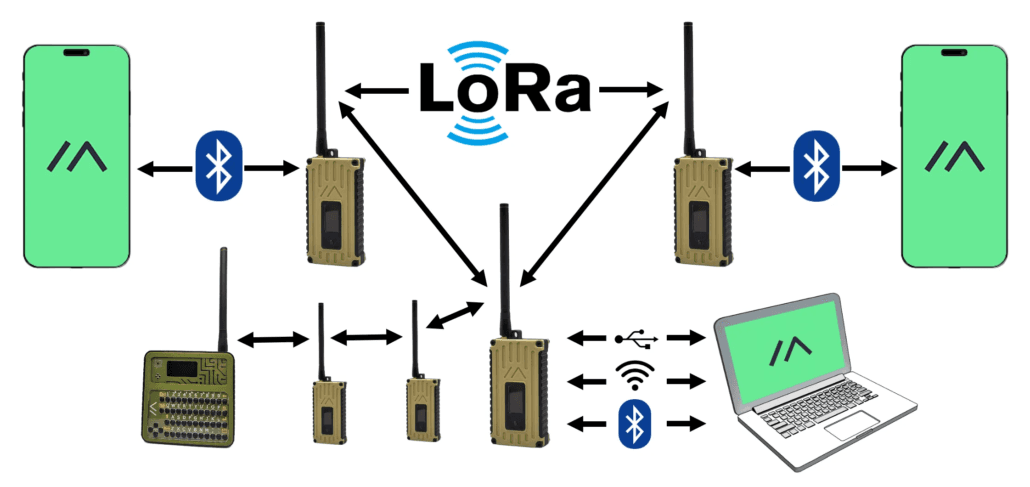
Meshtastic is built for exactly that kind of use. The project describes itself as an open-source, off-grid, decentralized mesh network for affordable, low-power devices, designed to work without cell towers or internet access. Messages can be passed from a phone or computer to a radio over Bluetooth, Wi-Fi, Ethernet, or serial, then rebroadcast across the mesh as long as another node is within range.
That flexibility comes with hard limits. Meshtastic is low-bandwidth radio transport, not a replacement for fast internet or rich media chat. Nodes only interact when they share the same spreading factor, center frequency, and bandwidth, which means setup matters and compatibility is not automatic. The upside is reach: Meshtastic documents range-test records of 331 kilometers ground to ground and 206 kilometers ground to air. It also notes that 868 MHz is the most popular band in Europe, while 915 MHz is common in North America, underscoring that real deployments depend on regional radio settings and local conditions.
Russia’s tightening internet controls help explain why that matters now. Human Rights Watch said on March 12 that Russian authorities had escalated censorship and blocked major platforms while pushing users toward state-approved tools. On March 31, it said broad mobile internet shutdowns were becoming more common. Reuters-reported coverage said the Kremlin later described shutdowns on April 14 as temporary and tied to security concerns, while another February report said WhatsApp had been completely blocked and users were being urged toward a state-backed messenger.
Meshtastic’s open-source structure and community-driven development give it added appeal in that environment, and the project’s separate commercial arm, Meshtastic Solutions, suggests the ecosystem is also moving toward broader deployment. In Russia, the draw is no longer just experimentation. It is the chance to keep a message moving when the normal network path goes cold.
This article was produced by Prism’s automated news system from verified source data, official records, and press releases, then run through automated quality and moderation checks before publishing. The system is built and supervised by the people who set the standards it runs under. Read our full AI policy.
Did this article answer your question?