Meshtastic gear guide for disaster-ready off-grid communication
When the grid goes quiet, the hardest problem is coordinating the next 48 to 72 hours. This Meshtastic gear guide shows the minimum setup that can keep a family or small group talking off-grid.
The outage gap Meshtastic is built to fill
The first thing that breaks after cell towers and internet go dark is not entertainment, it is coordination. In the first 48 to 72 hours, people are still trying to sort shelter, road closures, water, and medical needs, and that is exactly the window where a small mesh can be more useful than a flashy gadget.
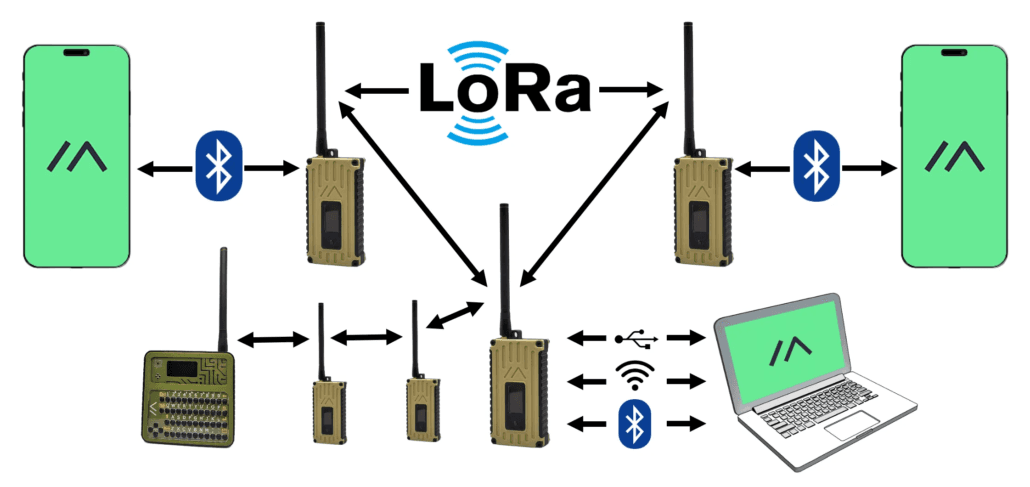
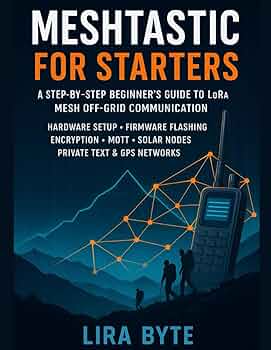
Meshtastic is designed for that kind of gap. It is an open-source, off-grid, decentralized mesh network built to run on affordable, low-power devices, and it uses LoRa radios to move messages without relying on towers, fiber backhaul, or any central hub. If one node can still hear another, traffic can keep moving even when the wider communications stack is down.
What the mesh can do, and what it cannot
This is a text-first system, not a replacement for voice, video, or broadband. Meshtastic and MeshCore sit in the low-bandwidth world, moving about 250 bits per second, which is enough for short messages and telemetry but nowhere near enough for images or rich media. That limitation matters, because the most common mistake is assuming a mesh radio can act like a mini cellphone network.
The upside is resilience. Meshtastic’s overview says messages are relayed to the radio through Bluetooth, Wi-Fi/Ethernet, or serial, then broadcast across the mesh. The software checks whether a packet has already been heard and ignores duplicates, while the network can retransmit up to three times if no confirmation comes back. In practice, that means the system is designed to favor simple, repeated, low-power communication over complexity.
Start with a small but sensible hardware set
The right starter kit is not about buying the most expensive node first. It is about buying the pieces that match their job, then putting them on the air before you need them.
A practical setup looks like this:
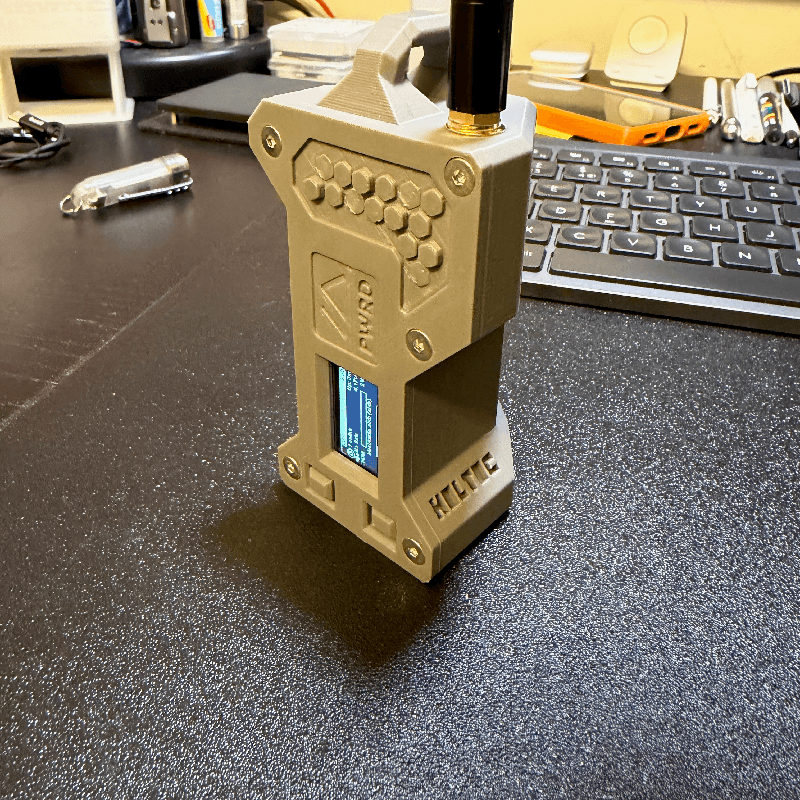
- Heltec WiFi LoRa 32 V3 as a cheap base-station node
- LILYGO T-Beam Supreme as a go-bag radio with GPS and 18650 battery support
- RAK WisBlock starter kit if you want a lower-sleep-current solar relay
- A tuned 915 MHz antenna as the most important upgrade in the stack
That antenna point is not a side note. The guide treats antenna gain as the highest-leverage improvement, and the range data backs that up. A radio with the wrong antenna can look fine on paper and still miss the people you are trying to reach.
Range is real, but only when the terrain cooperates
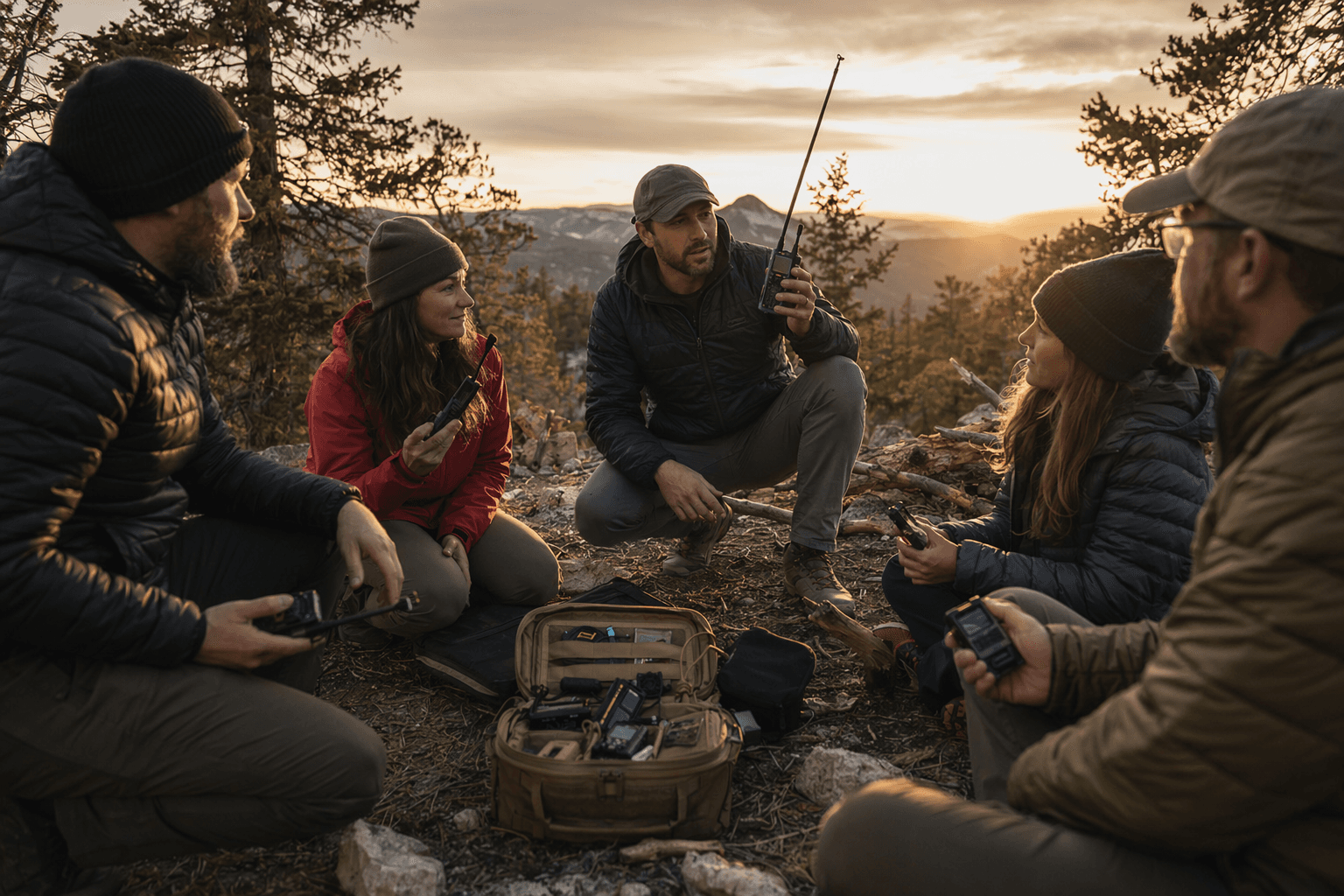
The range story around LoRa gets exaggerated fast, so the safest way to think about it is by terrain and density, not marketing numbers. In suburban terrain, a typical hop is about 3 to 10 miles. From elevated positions, the guide says 30 to 50-plus miles is possible, and a network of roughly 30 nodes spread across a county can still cover the whole area even when no single pair is in direct range.
Meshtastic’s own range-test page shows how wide the ceiling can be under ideal conditions, with a current ground record of 331 km, or 205 miles, on 868 MHz, and a previous 915 MHz ground record of 166 km, or 103 miles. Those records are useful as proof of possibility, not as a promise for disaster use. Real-world performance still hinges on modem settings, elevation, and antenna placement.
Power and placement are the difference between a demo and a tool
A mesh node that dies because the battery was never thought through is not a preparedness layer. For a base station, the Heltec WiFi LoRa 32 V3 gives you a low-cost way to keep a node indoors or on protected power. For a portable radio, the T-Beam Supreme makes sense because GPS and 18650 support fit the kind of go-bag use that matters during a local outage.
The RAK WisBlock starter kit earns a place if you want a relay that can sleep deeply and run from solar. That matters because a mesh meant to survive the first several days of a blackout needs to be boring in the right way: low draw, predictable charging, and enough uptime that people do not have to babysit it. Put the radio where it can actually hear, not where it looks neat on a shelf.
Expect setup work, then keep practicing
This is not a device you toss in a drawer and trust later. The guide classifies the build as intermediate, estimates 4 to 6 hours for the initial setup, and says ongoing practice is necessary if you expect it to hold up under stress. That warning fits Meshtastic’s own getting-started advice, which makes clear that serial, Bluetooth, LoRa, and other initial settings matter.
The first job after powering on is not sending a dramatic test message. It is making sure the node is actually configured the way you expect, the phone app is talking to it correctly, and the people in your group know what a normal message looks like. Change the default primary channel before you treat the network as private, because Meshtastic’s encryption docs say that channel uses the known key AQ== by default.
Message discipline matters as much as hardware
A mesh gets noisy fast if everyone treats it like a group chat. Keep messages short, specific, and actionable: who, what, where, and when. That is especially important when the network is moving only text and brief telemetry, because clutter steals airtime from the message that actually matters.
Good discipline also means agreeing on how you will use the system before the emergency starts. Decide which node is the home base, which radio rides in the go-bag, who monitors the relay, and what the fallback is if the message is not acknowledged. Meshtastic’s retransmit behavior helps, but it does not remove the need for calm, compact traffic.
MeshCore is the closest comparison, not a substitute for planning
MeshCore sits in the same family of low-bandwidth, off-grid communication tools, and it describes itself as a multi-platform LoRa system for secure text-based communications. Its app support spans iOS, Android, macOS, Windows, Linux, and web, and its wiki explicitly lists emergency response and disaster recovery as use cases. That makes it a relevant comparison for anyone deciding how serious their off-grid messaging needs are.
The common thread between Meshtastic and MeshCore is not novelty, it is restraint. Both are built for short, useful text in places where normal infrastructure is unreliable or gone. If you want a system that fits into disaster readiness rather than pretending to replace the whole communications stack, that is the right category.
Why preparedness groups are paying attention
The overlap between hobby radio and emergency planning is not accidental. The Federal Communications Commission says the amateur radio service exists for self-training, intercommunication, and technical investigations, which explains why so many preparedness communities are comfortable testing mesh radios alongside traditional fallback options. FEMA’s National Urban Search & Rescue System, established in 1989, includes 28 task forces, a reminder that real disaster response has always depended on layered redundancy, not a single silver bullet.
That lesson got sharper after Hurricane Helene on September 27, 2024, when communications failures in parts of the Southeast forced responders onto multiple fallback channels. In that kind of environment, land mobile radio, amateur radio, and satellite phones all had to do work that ordinary infrastructure normally carries. Community groups and local officials have noticed, including the Jefferson County Community Emergency Response Team in Monticello, Florida, which framed Meshtastic as a way to keep first responders connected during a crisis.
Build it now if you need coordination, not fantasy coverage
If your reality includes a rural driveway, a neighborhood dead zone, a mutual-aid group, a CERT team, or a family that needs a common channel when the phones stop working, this is worth building now. If you expect voice calls, instant countywide coverage, or a set-and-forget privacy system, you are asking too much of the medium.
The point of Meshtastic is not to replace every communications tool you already trust. It is to close the gap when the usual stack fails, with the right radio, the right antenna, enough power, and a group that has already practiced using it. In the first 48 to 72 hours, that kind of preparation is what turns a silent outage into a manageable conversation.
This article was produced by Prism’s automated news system from verified source data, official records, and press releases, then run through automated quality and moderation checks before publishing. The system is built and supervised by the people who set the standards it runs under. Read our full AI policy.
Did this article answer your question?