Meshtastic helps test hybrid edge-cloud river flood prediction
A June 12 build turned Meshtastic into a flood sensor test, weighing solar power, sensor range and alert reliability against low-cost resilience.
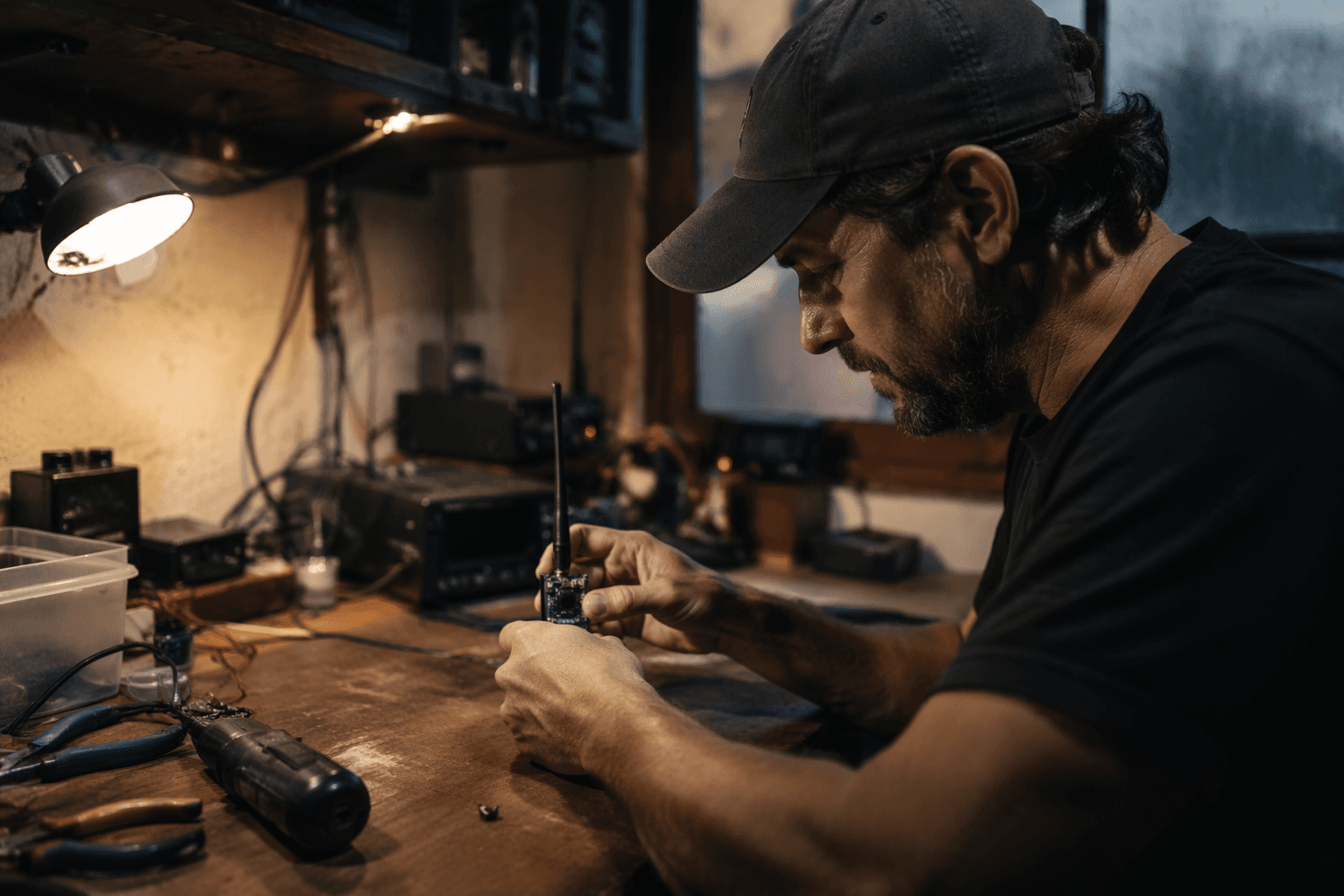
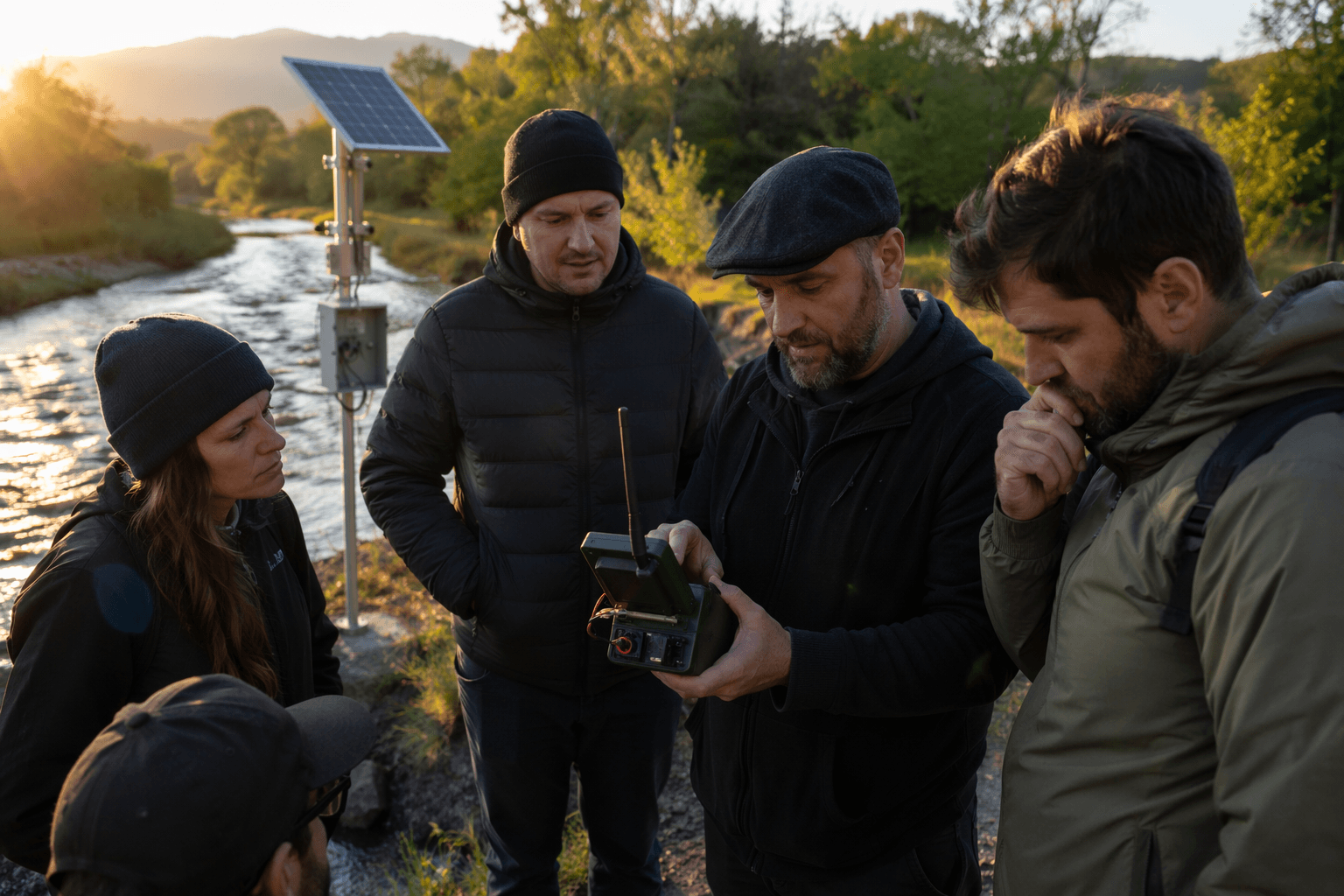
Ivan Arakistain’s river project pushed Meshtastic far past hobby chat and into the kind of telemetry that can matter when water starts rising. His Hybrid Edge/Cloud river water level prediction setup was built as a proposed way to forecast flooding two, four, eight or 24 hours ahead, using low-power links, solar hardware and water-level sensors instead of a fixed network connection.
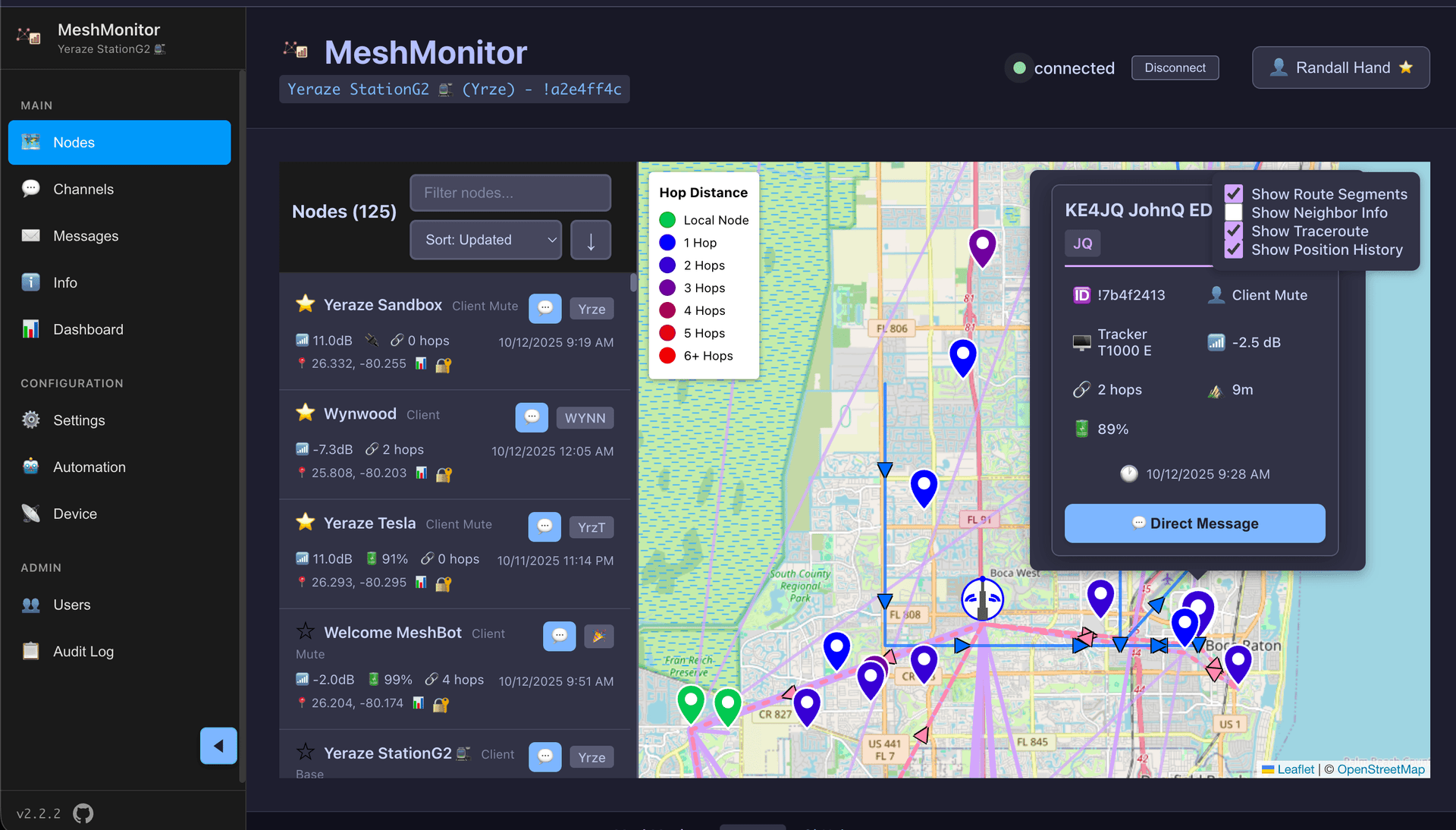
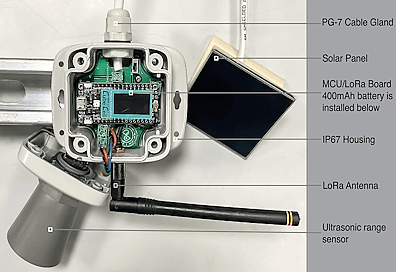
That matters because the project is not treating Meshtastic as a gimmick. Meshtastic describes itself as an open-source, off-grid, decentralized mesh network built for affordable, low-power devices with no cell towers or internet required, and its radio mesh only works when nodes share the same LoRa spreading factor, center frequency and bandwidth. Arakistain’s design leans into that constraint rather than fighting it. The receiving side uses Seeed Studio’s SenseCAP Solar Node P1-Pro, which combines the XIAO nRF52840 Plus main controller, Wio-SX1262 LoRa module and XIAO L76K GPS module, and is aimed at areas without network coverage.
The sensor choice is where the build gets especially practical. Arakistain compared a Milesight ultrasonic sensor with TDK InvenSense’s ICU-30201. TDK says the ICU-30201 is designed to measure objects from 30 cm to 9.5 m, and the project found it reached farther than the Milesight unit, which was limited to roughly 4 m in the build notes. Milesight’s EM400-UDL line is a non-contact ultrasonic distance and level sensor for liquid-level measurement, with a datasheet that markets up to 10 years of battery life depending on version and configuration. That kind of comparison is the difference between a neat demo and a deployment that can survive a riverbank.
Power choices were treated with the same bluntness. The project compared battery chemistries and concluded that LiFePO4 offered the best balance of cost, safety, energy density and lifespan, while lithium titanate oxide could go further on longevity and cold-weather endurance. That is the right kind of trade-off for a flood monitor, where a node may need to sit in the weather for months before it is asked to do anything important.
Arakistain also tested communications paths beyond pure Meshtastic, including a custom PCB Meshtastic route, LoRa through a Particle Muon and cellular LTE options. Particle describes the Muon as a multi-radio development board for rapid IoT prototyping and industrial deployment, which fits the hybrid theme: use the mesh where it is strongest, then hand off when a stronger backhaul is available. The project is candid that cellular is easier to develop against, but it comes with higher operating cost, while Meshtastic stays attractive because it is infrastructure-light and still works during outages.
That is why the build lands as more than a clever mashup. With UNDRR saying global flood exposure rose from 28.1 million people in 1970 to 35.1 million in 2020, and NOAA’s National Water Prediction Service already pushing river forecasts out to 10 days in some places, the need for cheap, local telemetry is not theoretical. Arakistain’s system suggests Meshtastic can be credible beyond hobby messaging, but only if communities accept the real engineering limits and design for them from the start.
This article was produced by Prism’s automated news system from verified source data, official records, and press releases, then run through automated quality and moderation checks before publishing. The system is built and supervised by the people who set the standards it runs under. Read our full AI policy.
Know something we missed? Have a correction or additional information?
Submit a Tip