Meshtastic hike test reaches 4 km in wooded off-grid terrain
Dense forest still carried Meshtastic traffic 3 to 4 km, but higher ground beat thick tree cover when the Lilygo T-Echo nodes were pushed off-grid.

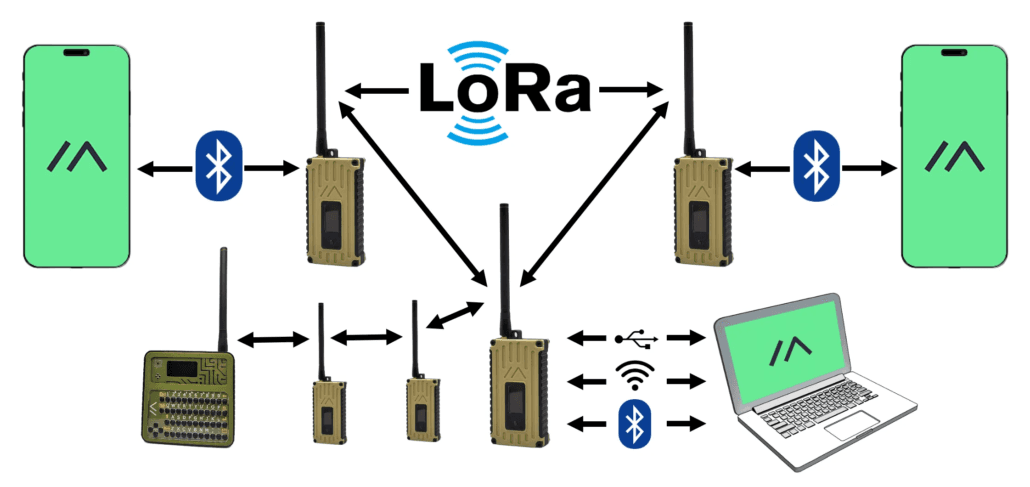
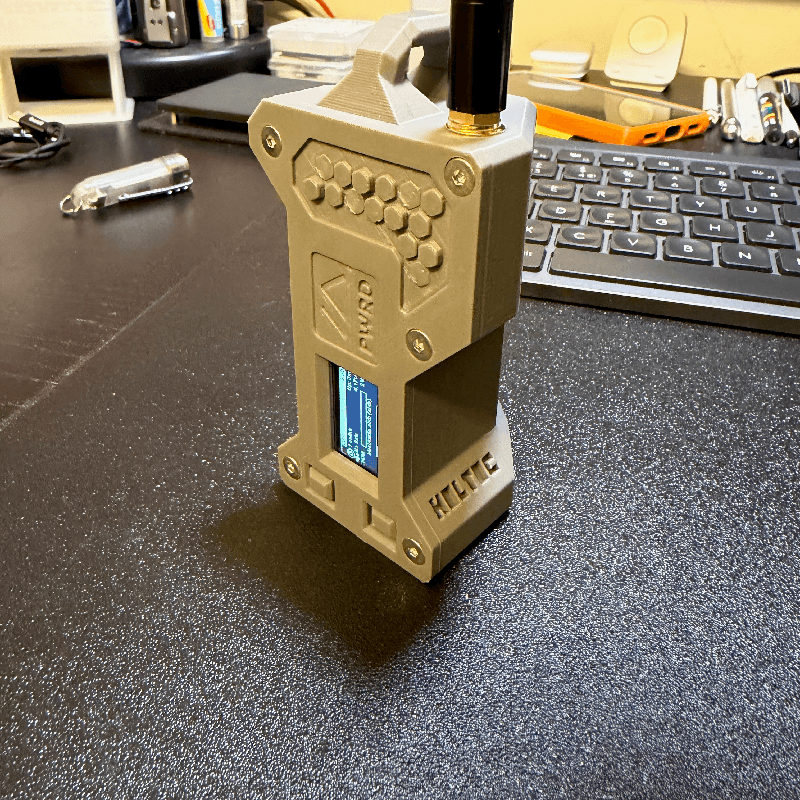
A hike test with Lilygo T-Echo nodes showed that Meshtastic could keep a live link moving across wooded terrain even with no cellular service and no internet. In the strongest parts of the route, the nodes reached 3 to 4 km, giving the mesh enough reach for real group coordination instead of a bench-top demo.
The results were not uniform, and that was the main lesson. Range changed with forest density, and the signal held up better at higher elevations than in lower, denser sections of woods. That made terrain choice and node placement the deciding factors: radios placed where they could see farther through the trees performed better than radios buried in the thickest cover.
For anyone planning hikes, trail runs, or other off-grid outings, the test showed how quickly wooded conditions can reshape expectations. The same Lilygo T-Echo setup that worked at 3 to 4 km in one stretch could narrow as the canopy thickened, so spacing nodes with elevation in mind mattered more than simply chasing straight-line distance. In other words, the mesh still worked in the forest, but the forest controlled how much of it came through.

That is where Meshtastic proved its value. The setup kept a group connected without relying on phone coverage, and it stayed useful even when the route moved deep into the trees. Dense forest did not stop the mesh, but it did change the game, and the best links came when the radios were given height instead of hidden by the woods.
This article was produced by Prism’s automated news system from verified source data, official records, and press releases, then run through automated quality and moderation checks before publishing. The system is built and supervised by the people who set the standards it runs under. Read our full AI policy.
Did this article answer your question?