Meshtastic joins a Raspberry Pi 5 all-in-one edge box
Kevin Allard’s Pi 5 edge box turns Meshtastic into one service inside a portable comms stack, not a stand-alone node. It points to a new all-in-one setup for off-grid operators and event teams.
Meshtastic moves from standalone node to one layer in a full edge box
Kevin Allard’s latest Raspberry Pi 5 build is the kind of setup that changes how Meshtastic gets used in the field. Instead of treating the LoRa node as a separate gadget, he folds it into a single, heavily loaded edge computer that also handles networking, storage, radio, and even retro gaming.
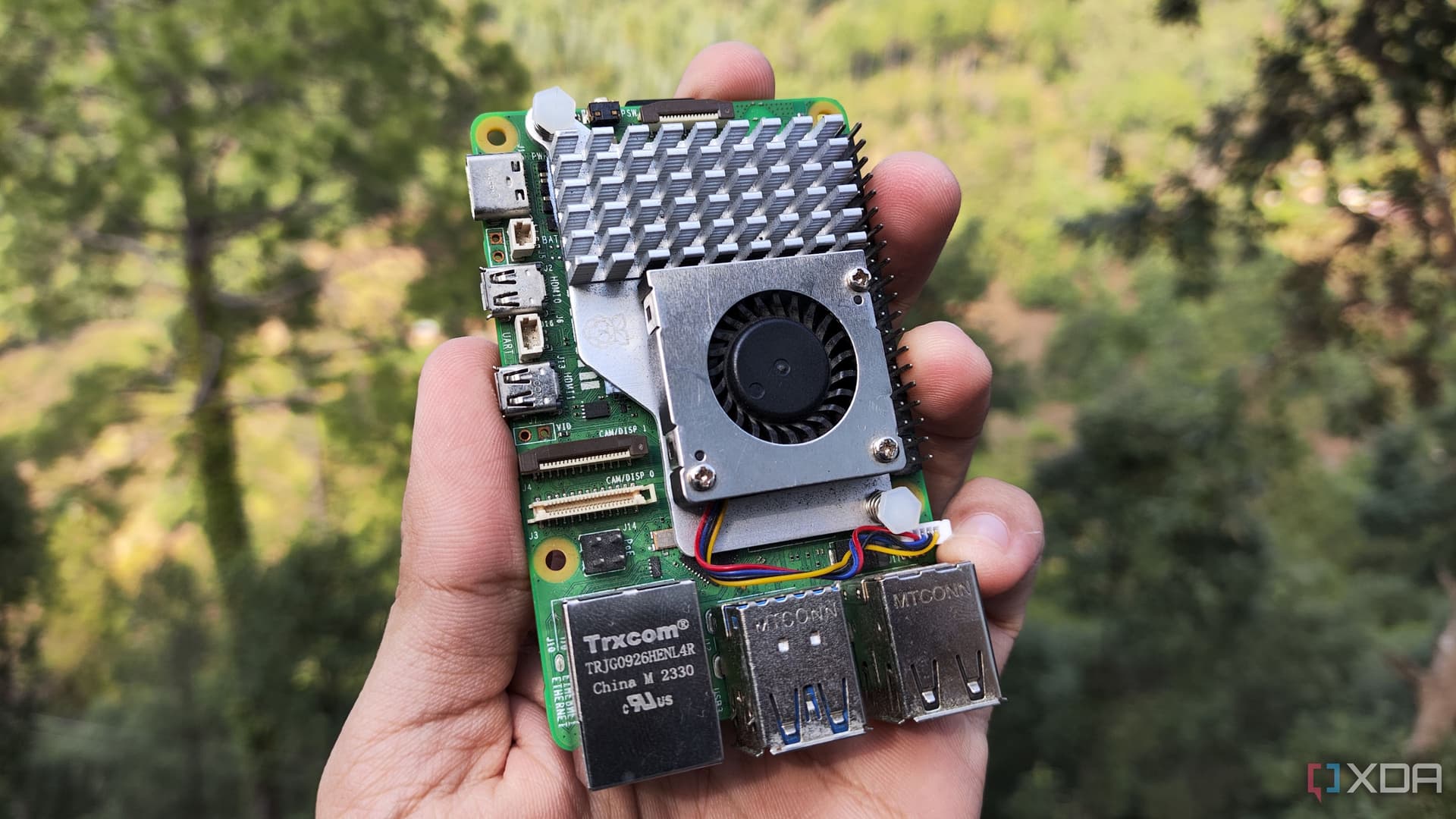
That matters because it solves a real deployment problem: too many hobby builds still stop at “the node works.” Allard is building for long-term use, with a Raspberry Pi 5 16GB at the center, a custom enclosure, and a layout designed to keep multiple subsystems organized instead of stacked in a fragile pile.
A Pi 5 built like a field machine
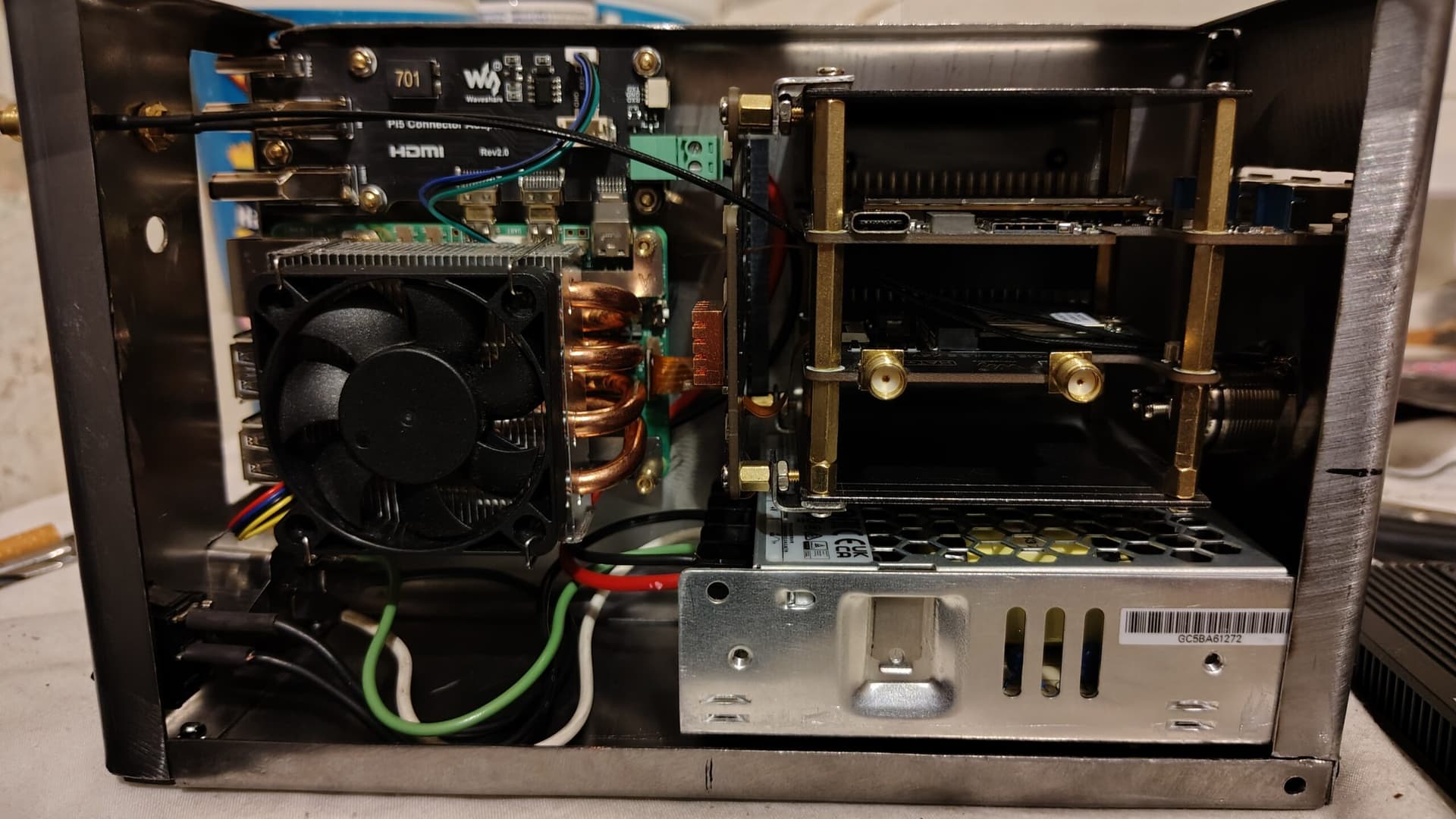
The build log published on May 29 shows a Raspberry Pi 5 16GB housed in a custom case made from 20-gauge sheet metal and 1/8-inch polycarbonate. It is not a throwaway bench project. The enclosure is being fabricated for durability, accessibility, and expansion, which is exactly what makes it interesting to anyone thinking about portable comms or semi-permanent off-grid infrastructure.
Allard’s system also leans on Waveshare hardware and a separate mounting approach he calls a PCIe HAT cluster. That choice keeps add-ons physically organized, avoids cramming everything directly onto the GPIO header, and leaves room for more modules later. Power and reset controls are routed into the stack, short ribbon cables keep the layout tidy, and the case is designed so external ports and antenna connectors stay accessible for regular use.
Why Meshtastic fits this kind of build
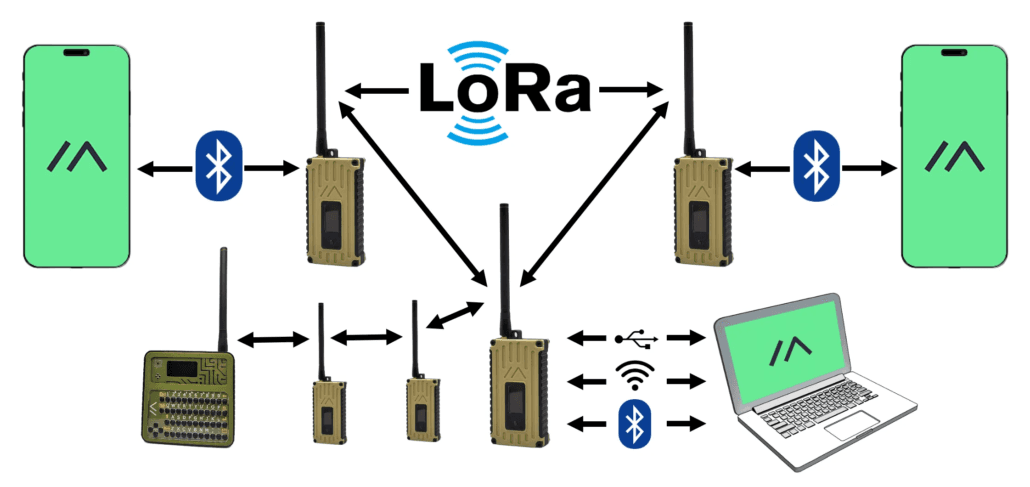
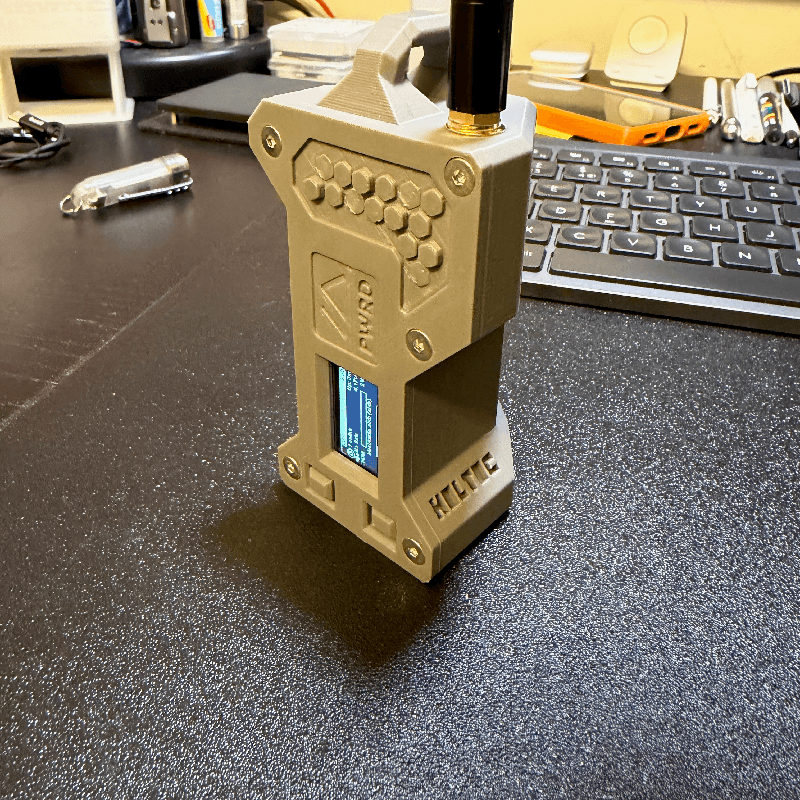
Meshtastic is a good match for this direction because it is already built around low-power, off-grid communications. The project describes itself as an open-source, decentralized mesh network that runs on affordable devices and uses LoRa radios for long-range messaging where normal communications infrastructure is unreliable or unavailable.

Its normal workflow is practical, not exotic. Devices can talk to a phone or computer over Bluetooth, Wi-Fi, or USB, and messaging can happen without internet or cell service. The routing model uses managed flooding instead of centralized route discovery, which helps keep resource overhead down on low-bandwidth LoRa links. For a build like Allard’s, that means Meshtastic does not need to be the whole system. It can be one resilient communications layer inside a broader field box that already handles local data, connectivity, and radio tasks.
Who actually benefits from a box like this
This is where the use case opens up. A standalone Meshtastic node is enough for basic mesh messaging, but an integrated Pi 5 box is aimed at operators who need more than text packets bouncing across a hillside.
The strongest fits are:
- Off-grid operators who want one machine for messaging, storage, VPN access, and local services.
- Event coordinators who need a portable comms hub that can bridge different radios and keep working when internet service is weak or overloaded.
- Mobile command-post hobbyists who want telemetry, APRS, SDR tools, and mesh messaging in one enclosure.
- Builders who want a platform that can grow from a single node into a multi-service edge station without starting over.
Allard’s parts list makes that clear. The Pi is expected to support media serving, cloud storage, VPN access, retro gaming, APRS, software-defined radio, and a LoRa Meshtastic node. That is not just convenience. It is a way to reduce the number of boxes, cables, and power systems needed to carry a real field toolkit.
The broadband side shows the same trend
The connectivity plan reinforces the same idea. The Pi 5 system is intended to provide 5G broadband for home internet using a homemade 36-inch parabolic MIMO 5G dish aimed at a T-Mobile tower 3.5 miles away. In other words, the same enclosure that holds the mesh radio is also meant to participate in a larger connectivity stack, bridging cellular, local networking, and LoRa workflows.
That is the bigger story here. Meshtastic is no longer being treated only as a small emergency radio network. In builds like this, it becomes a communications layer that sits alongside broadband, storage, and local services inside one portable system. For operators who need flexibility more than elegance, that is a major upgrade.
Meshtastic’s hardware ecosystem makes this easier than it used to be
The reason this kind of mash-up is becoming more practical is that Meshtastic’s hardware world has matured. The official supported-hardware docs include community-supported RAKwireless and LILYGO-based devices, giving builders plenty of entry points depending on budget, power draw, and form factor.
Recent project releases also show continuing momentum. Meshtastic 2.6 preview was published on February 26, 2025, and Meshtastic 2.7 preview, with BaseUI, followed on June 21, 2025. That does not read like a stagnant hobby protocol. It reads like a platform still adding polish while community hardware support broadens around it.
The takeaway for real-world deployments
Allard’s Pi 5 build is a useful signal for the community because it points to a broader deployment pattern: Meshtastic is increasingly being embedded into all-in-one portable systems rather than sitting alone as the star of the show. The node still matters, but its job is changing. It is becoming one part of a larger edge box that can handle internet backhaul, local services, and long-range mesh messaging in the same enclosure.
That is the real shift. When a 16GB Raspberry Pi 5, a PCIe HAT cluster, a 5G dish, and a Meshtastic node all live in the same metal-and-polycarbonate case, the question is no longer whether the radio works on its own. The question is whether the whole box can keep working when the network falls apart.
This article was produced by Prism’s automated news system from verified source data, official records, and press releases, then run through automated quality and moderation checks before publishing. The system is built and supervised by the people who set the standards it runs under. Read our full AI policy.
Did this article answer your question?