Meshtastic PR lowers mobile node priority in mesh scheduling
A draft PR from luivicur would slow mobile nodes in Meshtastic’s mesh scheduler, giving rooftop and attic relays more airtime than passing handhelds.

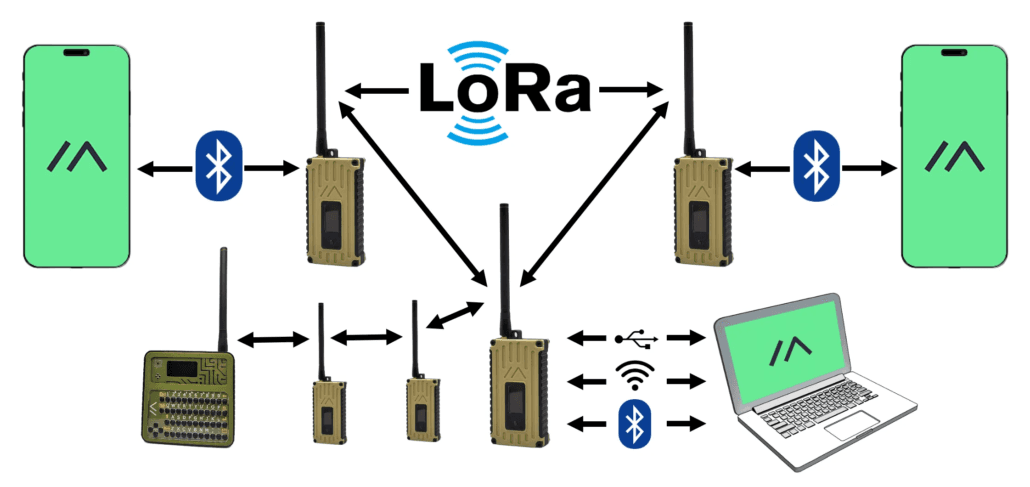
A draft Meshtastic pull request from luivicur moved mobile roles to a lower-priority contention window, a small firmware tweak aimed at making rooftop and attic relays win airtime before passing handhelds or vehicle nodes. The work is tracked as draft PR #10725, titled “feat (mesh): Shift mobile roles contention window to lower priority (10687),” and GitHub marked it as an enhancement with the first-contribution label and needs-review.
Issue #10687, “Move portable nodes to a later contention window,” says portable nodes currently share the same contention window as client_base. In Meshtastic’s managed flooding model, a node waits briefly before rebroadcasting and listens to see whether another node has already forwarded the packet, so it can suppress duplicate retransmits. In dense meshes, that timing can backfire when portable nodes end up with priority over fixed relays.
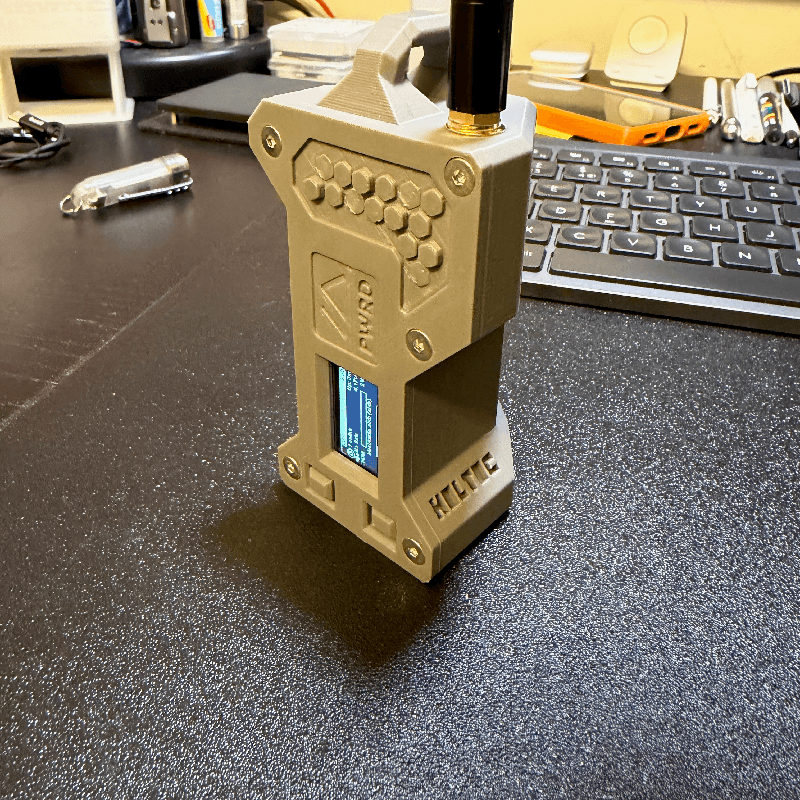
A vehicle rolling through town, or a handheld moving along a trail, should not outcompete a rooftop installation, an attic node, or a hilltop relay that keeps the local network alive from one end of a neighborhood to the other. Meshtastic configuration tips steer most users toward CLIENT, CLIENT_MUTE, or CLIENT_BASE, with CLIENT_MUTE a fit for a personal handheld near a stronger rooftop node in a congested network and CLIENT_BASE meant for a stronger attic or roof base station that can distribute messages from weaker indoor nodes. ROUTER and REPEATER can increase packet collisions and reduce delivery rates.
On September 25, 2025, the project published its ROUTER_LATE post. It defined a special infrastructure role for larger or more complex meshes. Meshtastic documented zero-cost hops behavior for ROUTER, ROUTER_LATE, and CLIENT_BASE in specific conditions.
The issue opener said the existence of CLIENT_MUTE already shows Meshtastic recognizes the downside of letting clients behave too aggressively in packed networks, and pressed for delaying mobile-role retransmissions so fixed infrastructure can move first.
This article was produced by Prism’s automated news system from verified source data, official records, and press releases, then run through automated quality and moderation checks before publishing. The system is built and supervised by the people who set the standards it runs under. Read our full AI policy.
Did this article answer your question?