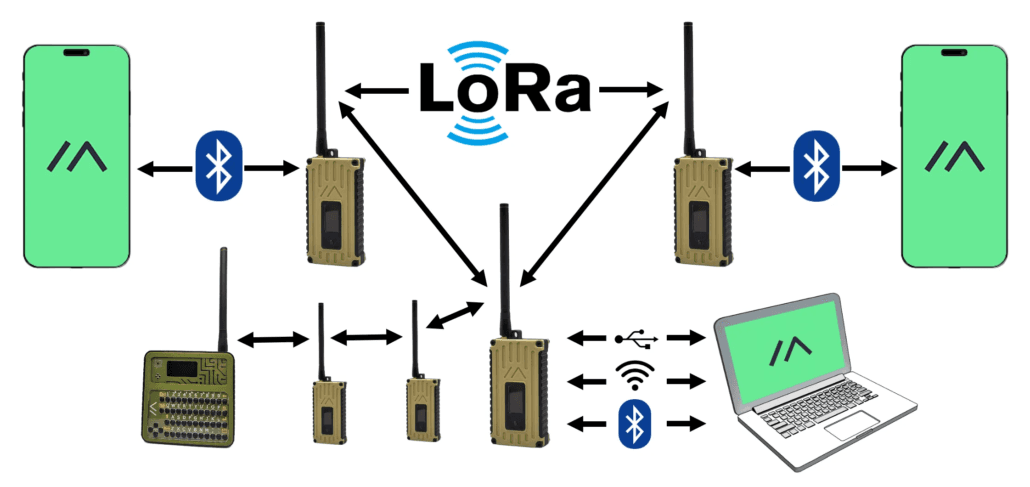
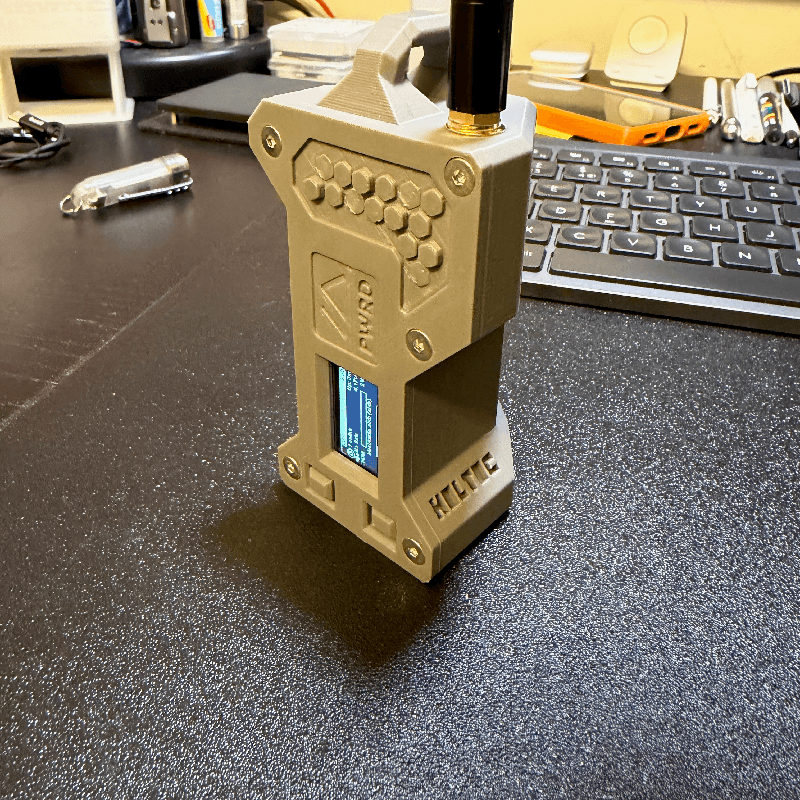
Meshtastic updates Web Flasher dependency to v2.7.1
Meshtastic’s firmware repo bumped meshtastic/web to v2.7.1, keeping the browser flasher aligned with the path many users use to flash or wipe boards.
Does this change what breaks less often for people using Meshtastic in the browser? That is the practical question behind a June 19 firmware pull request that bumped meshtastic/web to v2.7.1. On paper it was an automated dependency refresh, but for anyone who relies on the browser to get a node on air, it kept the project’s most common desktop setup path moving with the rest of the stack.
That matters because Meshtastic’s official Web Flasher is not a side tool. The documented flow tells users to plug in a device, visit flasher.meshtastic.org, select a target device, select firmware, and flash. It also supports a wipe-and-install-from-scratch path, which makes the browser workflow useful not just for first-time setup but for recovery when a board needs a clean slate. Meshtastic describes the Web Flasher as recommended for ESP32 devices and says it requires Chrome or Edge, or another Chromium-based browser.
The web client sits in the same critical lane. Meshtastic Web runs directly in the browser, can be used at client.meshtastic.org, and can also be self-hosted or served from a node. The project’s web development docs say every pull request gets a preview deployment on Vercel, merged changes move to client-test.meshtastic.org, and stable releases are promoted to production on a regular schedule. Meshtastic’s web monorepo folds the official interface, the JavaScript SDK that drives it, and runtime-specific transport packages into one place, so a dependency bump there can ripple through both what users see and how the client talks to hardware.
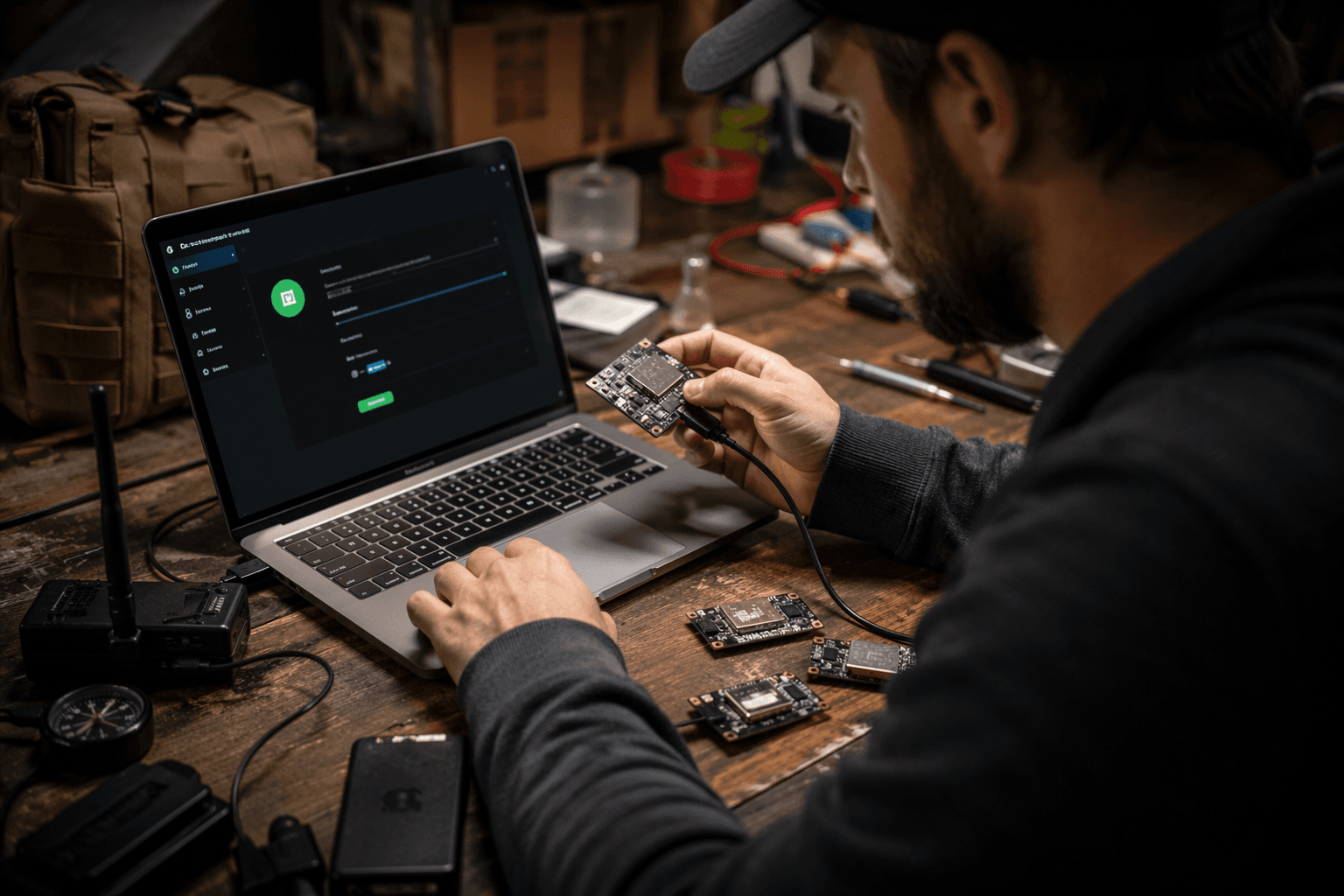
That is why a version refresh like v2.7.1 is more than housekeeping. Keeping browser dependencies current can reduce security warnings, pick up compatibility fixes, and prevent the web app from drifting away from the firmware and tooling it supports. For the hobbyists flashing from a Chromebook, a Linux laptop, or whatever machine is available in the field, that kind of upkeep helps the browser path stay dependable instead of becoming the weak link.
Meshtastic has already shown how a small web-client issue can turn into a real user problem. In one GitHub issue, a user reported that the LongTurbo modem preset was missing from the Radio Config > LoRa menu on client.meshtastic.org while running firmware 2.7.17 in Chrome on macOS. That bug was later closed through PR #1003, and the issue thread linked it to meshtastic/web v2.7.1. The latest dependency bump fits the same pattern: quiet work in the browser, aimed at keeping the setup path alive when someone needs to rescue a node fast.
This article was produced by Prism’s automated news system from verified source data, official records, and press releases, then run through automated quality and moderation checks before publishing. The system is built and supervised by the people who set the standards it runs under. Read our full AI policy.
Did this article answer your question?