MeshToad V3 turns Linux systems into Meshtastic nodes for $45
MeshToad V3 put a Linux box directly on the mesh for $45, giving builders a pre-flashed USB radio for gateways, logging, and always-on nodes.
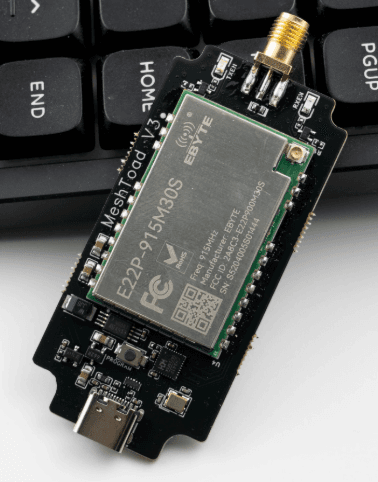
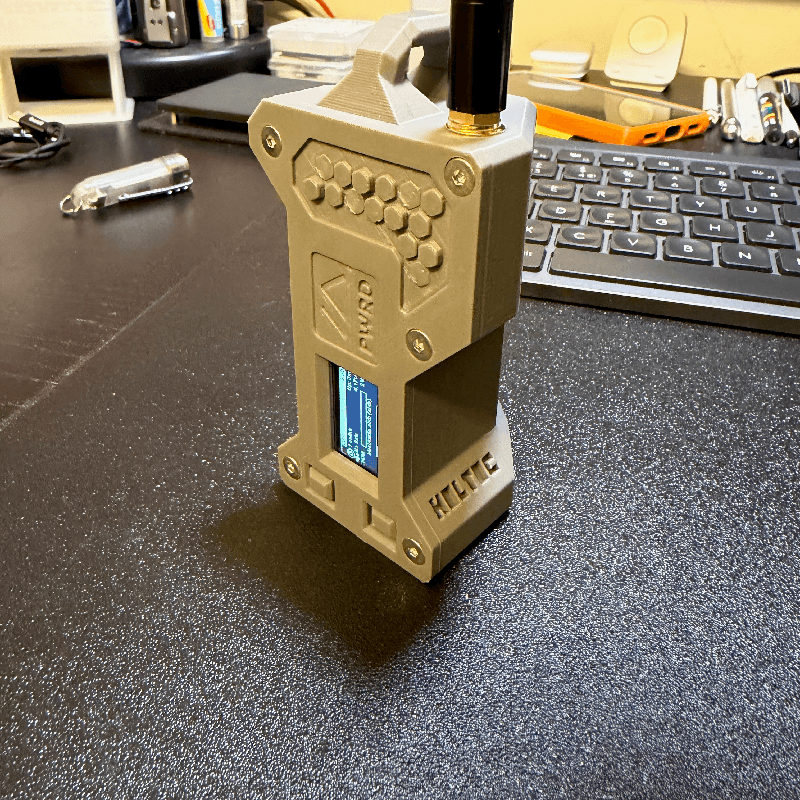
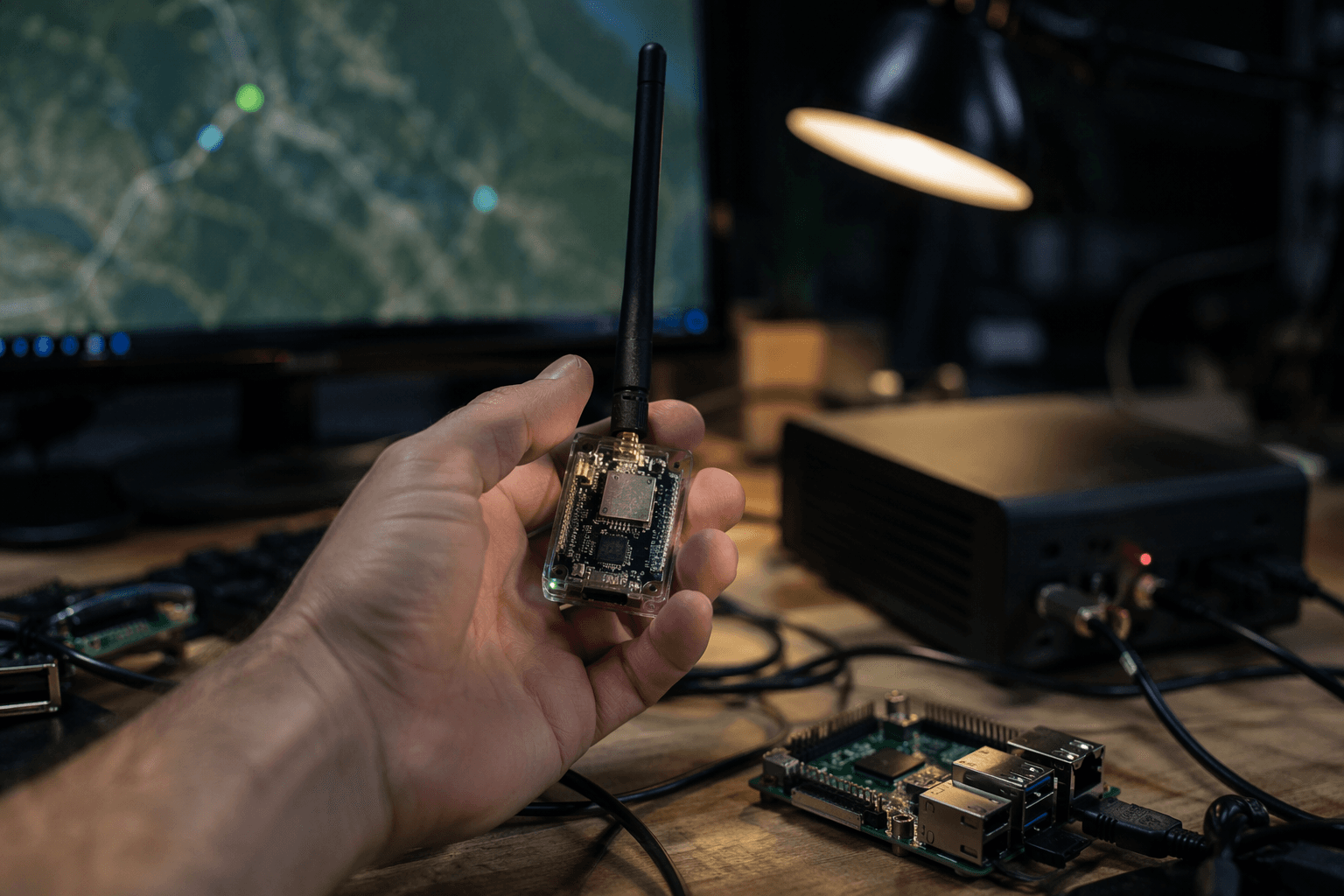
MeshToad V3 gave Linux operators a cheaper way to put a real Meshtastic node on a desk, in a home lab, or inside a Raspberry Pi stack without keeping a handheld radio in the loop. Muzi Works put the NULLHOP module on sale for $45, and the appeal was immediate: plug a Linux system into the mesh over USB and let it handle persistent jobs like packet logging, dashboards, and automation.
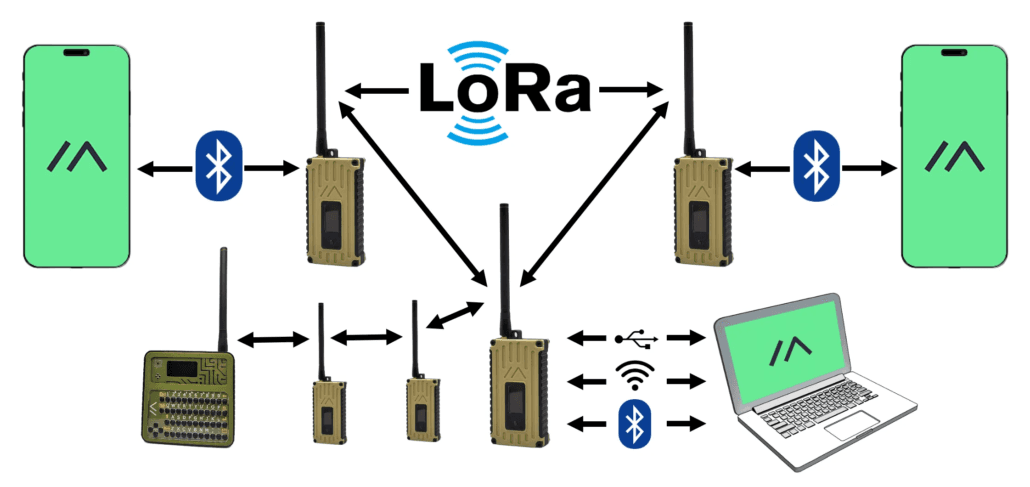
That mattered because Meshtastic already had a Linux path built in. Meshtastic says meshtasticd is the native binary for running Meshtastic on Linux and MacOS devices, and it supports SPI and USB radios. In practice, that turns a computer into a Meshtastic node that can send and receive messages, share location data, and talk to other devices over LoRa or UDP. MeshToad V3 fit directly into that model instead of asking users to build a separate node stack around a phone or a handheld.
The hardware underneath the board was familiar territory for LoRa users. EBYTE describes the E22P-915M30S as a 915 MHz module built around Semtech’s SX1262 transceiver, rated for 30 dBm output power with a claimed 12 km communication distance. Muzi Works said MeshToad V3 used that radio path with a 1W transmit LNA, 915 MHz SAW bandpass filters for better receive sensitivity, onboard EEPROM for automatic configuration with meshtasticd 2.6.5 and later, USB-C, and both U.FL and SMA antenna connections.
LinuxGizmos said the board shipped pre-flashed from the factory, which removed one of the more annoying steps for anyone who wanted to test a Linux-native node quickly. The same coverage said the flashing notes covered Ubuntu and Raspberry Pi OS, used ch341eeprom and ch341eeprom-factory utilities, and required users to bridge two pads near the USB-C connector before checking the result with dmesg. That made the board look less like a consumer gadget and more like bench gear for people who are comfortable with firmware tools and recovery steps.
Muzi Works also said the board could be used with pyMC_Repeater to turn a Linux computer into a Mechcore repeater, widening its appeal beyond a simple node adapter. The bigger story, though, was the operator payoff: MeshToad V3 turned a plain Linux system into infrastructure on the mesh, and that is exactly the sort of hardware that makes Meshtastic feel more useful in daily deployments.
This article was produced by Prism’s automated news system from verified source data, official records, and press releases, then run through automated quality and moderation checks before publishing. The system is built and supervised by the people who set the standards it runs under. Read our full AI policy.
Did this article answer your question?