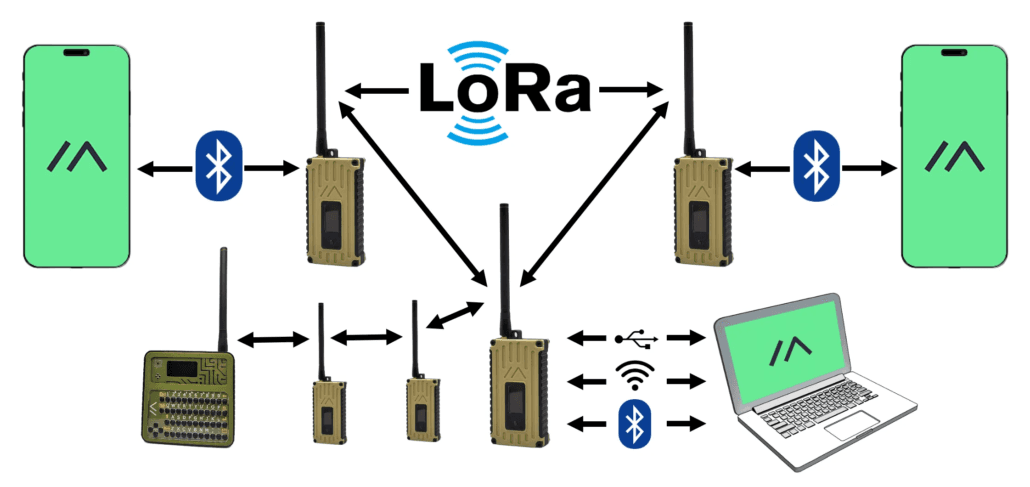
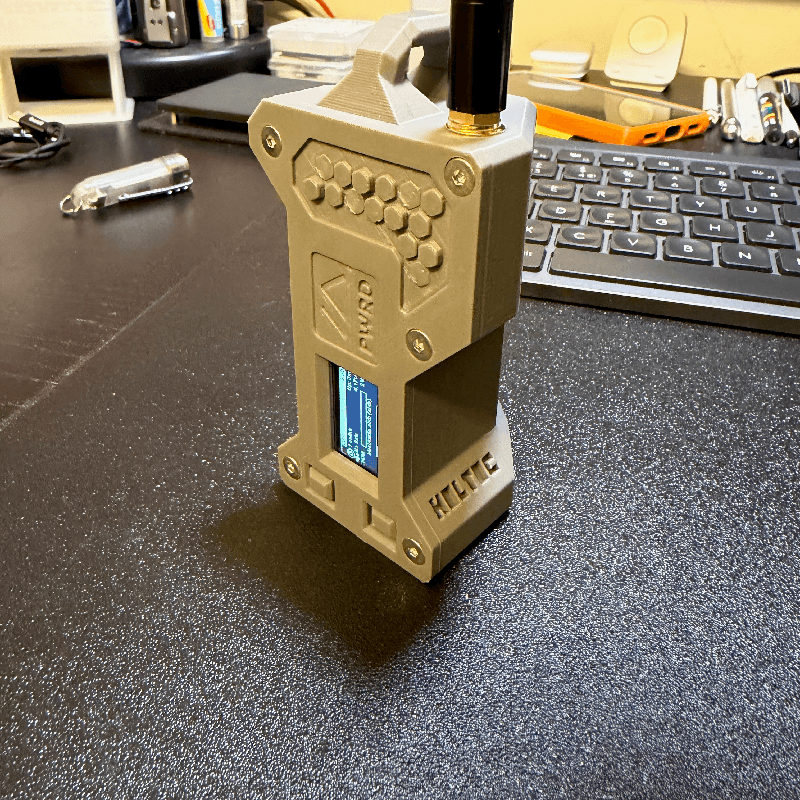
Meshyface brings browser-based chat and network dashboard to Meshtastic
Meshyface puts Meshtastic chat and network stats in a browser, making shared nodes easier to watch without a phone app or desktop client.
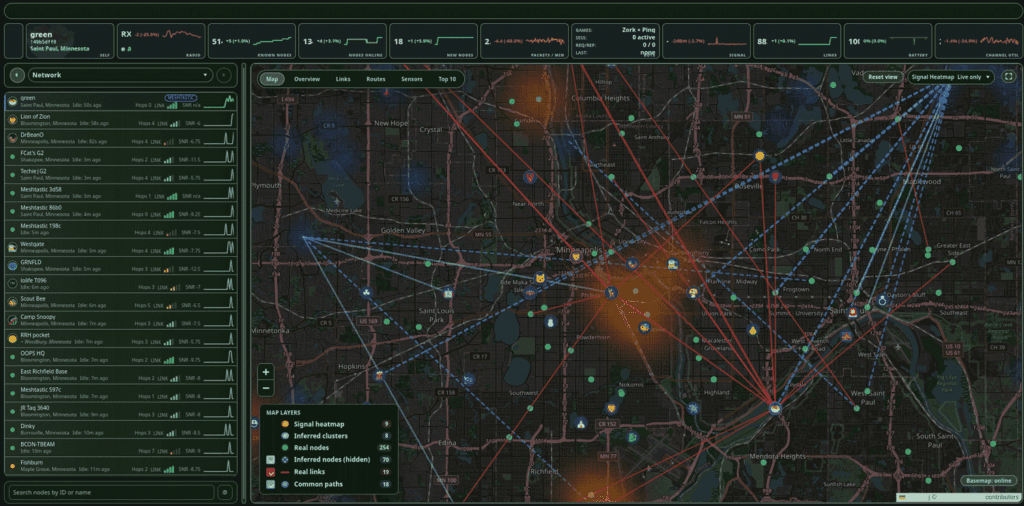
Jaron McDonald’s Meshyface pushes Meshtastic toward a more polished day-to-day workflow: open a browser, load the dashboard, and inspect the mesh without installing a heavyweight client. That shift matters for shared nodes, remote access, and anyone who has felt Meshtastic tipping from a radio hobby into a communications platform.
Under the hood, Meshyface is built as a single Python service that serves a single-page web UI over HTTP. That is a sharp break from the usual Meshtastic setup, which leans on a phone app, a desktop app, or command-line tooling. The project’s codebase already looks like something meant for regular operators, not a throwaway demo, with a README, documentation, a compose file, a service definition, tests, benchmarks for GUI responsiveness, and maintenance notes including a public release checklist and third-party notices.
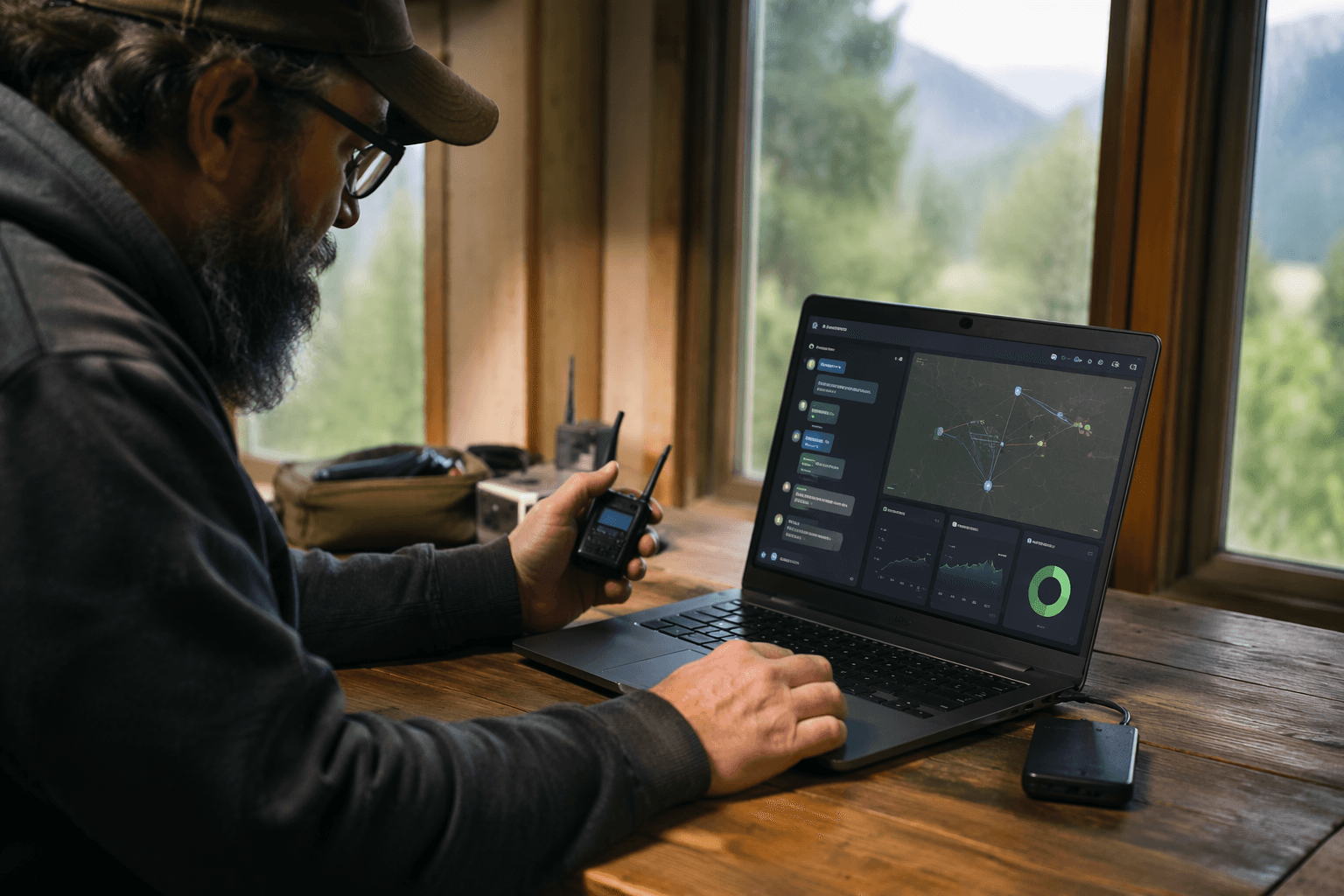
The repo history adds to that impression. Recent work has included documentation preparation, screenshot updates, and a small feature to auto-accept file transfers, all signs that Meshyface is being tuned around usability as much as raw functionality. For a network operator, that matters as soon as the mesh moves beyond a single handheld and into a fixed installation, a base station, or a club node that multiple people need to watch.
That is where a browser-first interface could pay off fast. A workshop bench, club shack, or field station can point several users at the same shared node and let them follow message flow, node health, and chat traffic without handing around a phone or asking everyone to install the same tools. A lightweight HTTP service also fits Meshtastic’s usual bias toward simple, local deployments, and it avoids pulling in any external cloud layer.
Meshyface does not change the fact that Meshtastic still depends on a node, a radio path, and an operator willing to host the service. It does, though, change how the network feels at the front end: less like tinkering with a radio project, more like running a usable dashboard. As Meshtastic keeps expanding into dashboards, bridges, mapping tools, and event-specific interfaces, Meshyface looks like another step toward mature operator tooling, with the browser becoming the place where the mesh is actually managed.
This article was produced by Prism’s automated news system from verified source data, official records, and press releases, then run through automated quality and moderation checks before publishing. The system is built and supervised by the people who set the standards it runs under. Read our full AI policy.
Did this article answer your question?