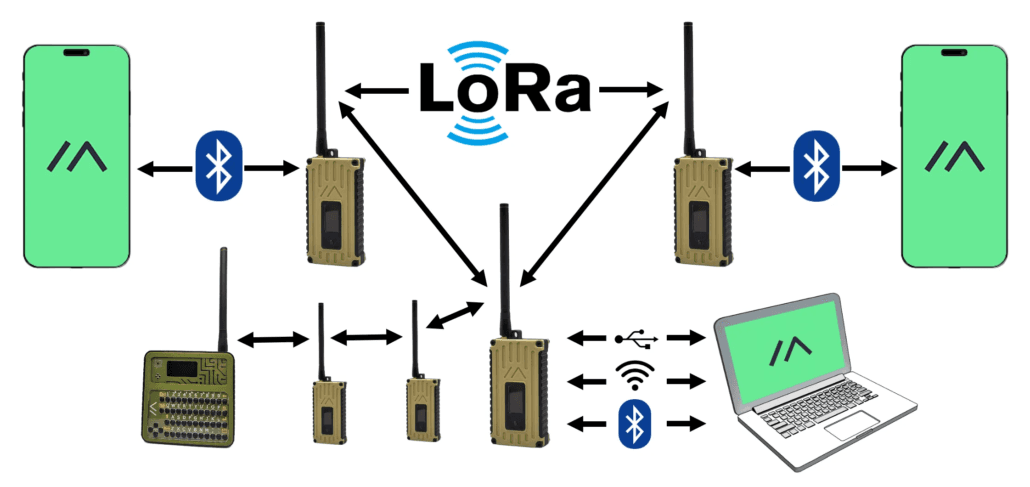
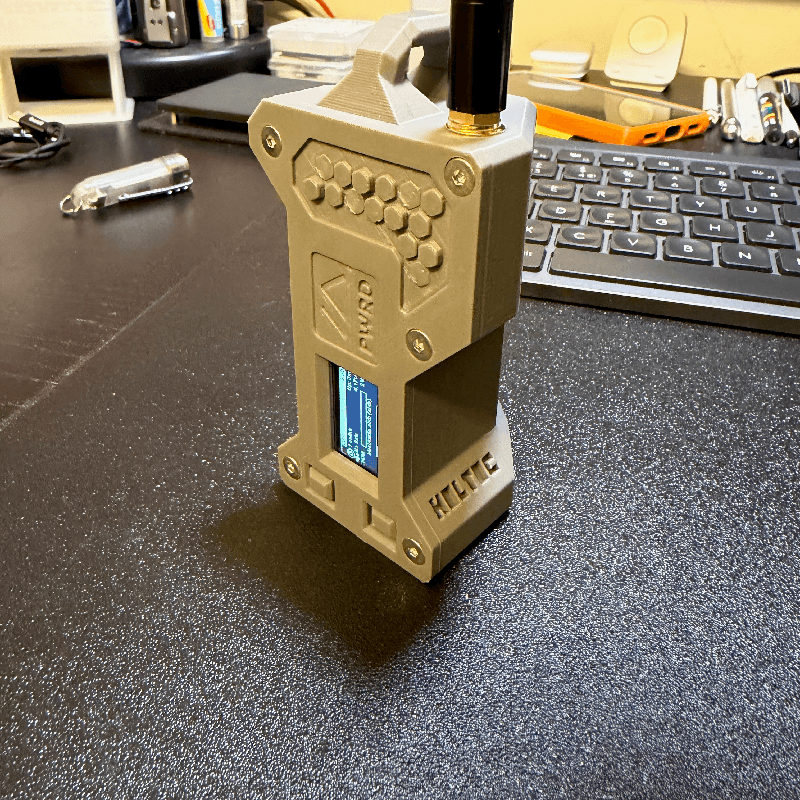
MQTT opens distant Meshtastic contact, first chat reaches Northfield node
The operator nearly wrote off local coverage, then MQTT lit up a wider mesh and led to a first chat with a Northfield node.
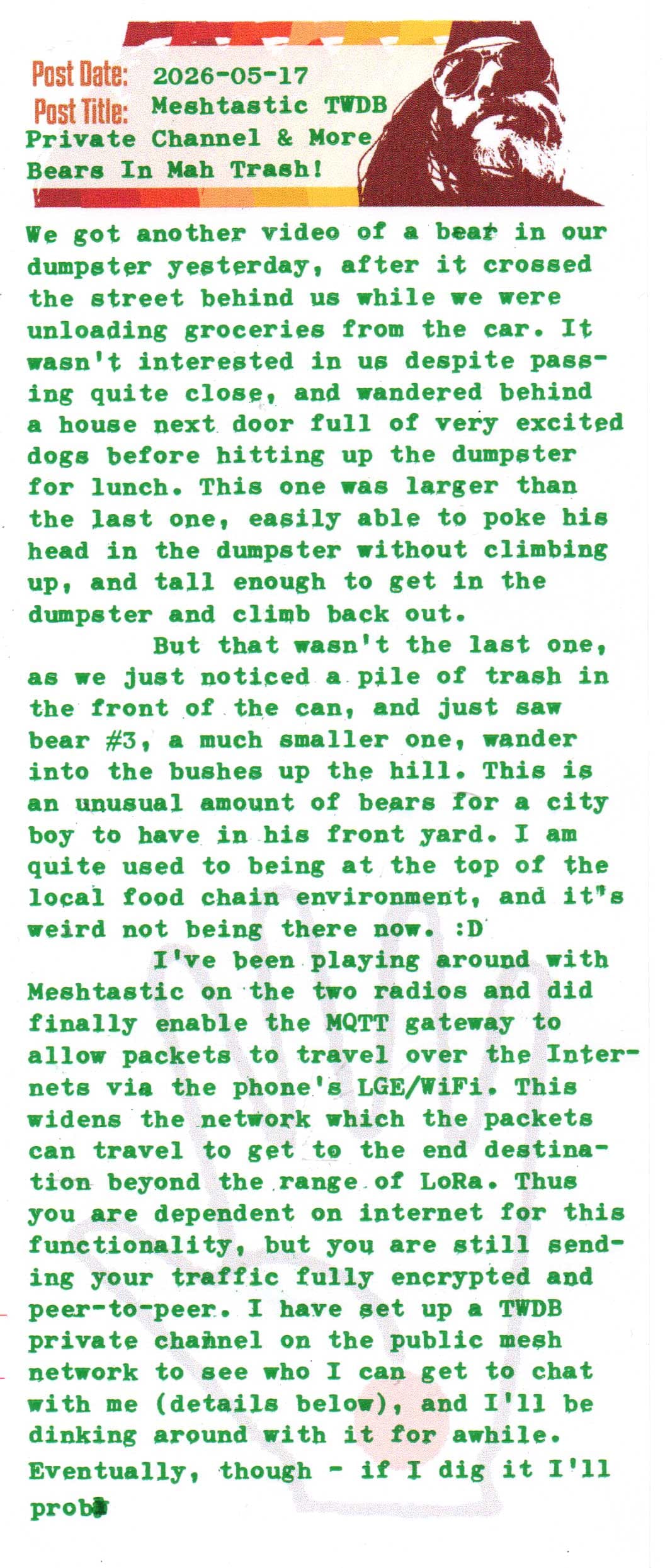
The node went quiet locally, so the operator turned on MQTT and suddenly had a much larger slice of the mesh to work with. The first real payoff came on May 21, 2026, when the writer tagged a node in Northfield, then carried on a conversation with that operator on the ConnNet channel and checked the node on the map.
That is the kind of moment many Meshtastic users chase for months: not a theory of connectivity, but proof that a sparse setup can still reach a stranger somewhere else. In this case, MQTT was the bridge that changed the experience from a dead local footprint to a live network with distant participants.
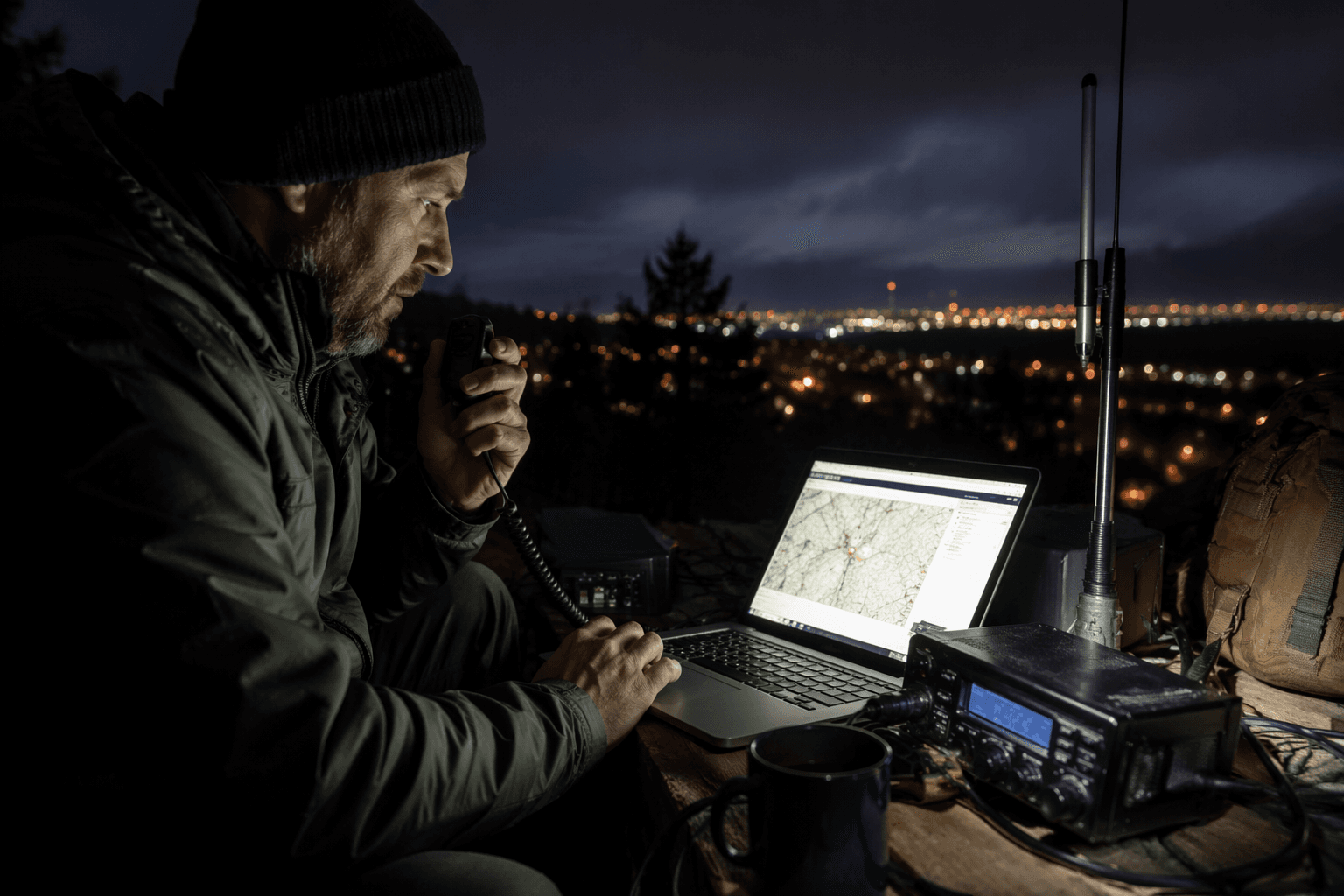
Meshtastic’s public MQTT service is built for exactly that kind of reach. The project says the service can bridge devices over the internet and give remote networks global connectivity, although it also places restrictions on the public server to protect stability. The catch is just as important as the gain. Meshtastic warns that connecting a node to the public MQTT server may publish the locations of all nodes in the mesh to the internet, which turns a convenience feature into a privacy decision.
That tradeoff runs through the channel setup as well. Meshtastic says channel names must match for devices to communicate, and the PSK is the encryption key for private channels. By default, the primary channel uses the widely known key AQ==, so anyone who wants real privacy has to change that key or create a separate channel and share it only with the intended peers. Meshtastic also recommends not configuring private channels on unattended nodes, a reminder that visibility and security do not always sit comfortably together.
The larger appeal of Meshtastic is that it is built as an open-source, off-grid, decentralized mesh on affordable, low-power LoRa radios, meant for places without reliable communications infrastructure. The Android app adds two tools that make the network feel less abstract: a Nodes screen for discovering peers and a Mesh Map for seeing GPS-enabled nodes laid out geographically. The project’s August 2024 changes to its hosted MQTT server, including removing the ability to subscribe to all topics, showed that MQTT is not just a convenience layer but part of the platform’s managed approach to privacy and scale.
For a mesh that feels dead on the ground, MQTT can be the difference between silence and a real conversation. The Northfield contact showed the upside plainly: a local node that had seemed isolated could suddenly participate in a broader corridor, as long as the operator accepted the visibility that came with opening the door.
This article was produced by Prism’s automated news system from verified source data, official records, and press releases, then run through automated quality and moderation checks before publishing. The system is built and supervised by the people who set the standards it runs under. Read our full AI policy.
Did this article answer your question?