New Meshtastic study shows modem preset can matter as much as hardware
A Meshtastic study found presets can change range as much as the radio, with Short profiles failing near 110 dB and Long Slow reaching about 180 dB.

If a mesh link dies in the field, the first thing to blame may be the preset, not the antenna.
A new study submitted on May 16, 2026 by Guillermo Antonio Hernandez Ortiz, Edgar Santiago Quiroz Puentes and José de Jesús Rugeles put hard numbers behind a lesson many Meshtastic users learn by trial and error. Titled Resilience Analysis in Off-Grid LoRa Mesh Networks: Evaluation of Meshtastic Profiles in Long-Range Propagation Scenarios, the paper treated Meshtastic as a decentralized LoRa mesh in which every node acts as both endpoint and router, then tested how the platform’s profiles behaved in controlled long-range conditions in Colombia’s 915 MHz environment. Meshtastic’s own documentation says the default modem preset is LONG_FAST, and that presets combine bandwidth, spreading factor and coding rate to balance speed, range and congestion.

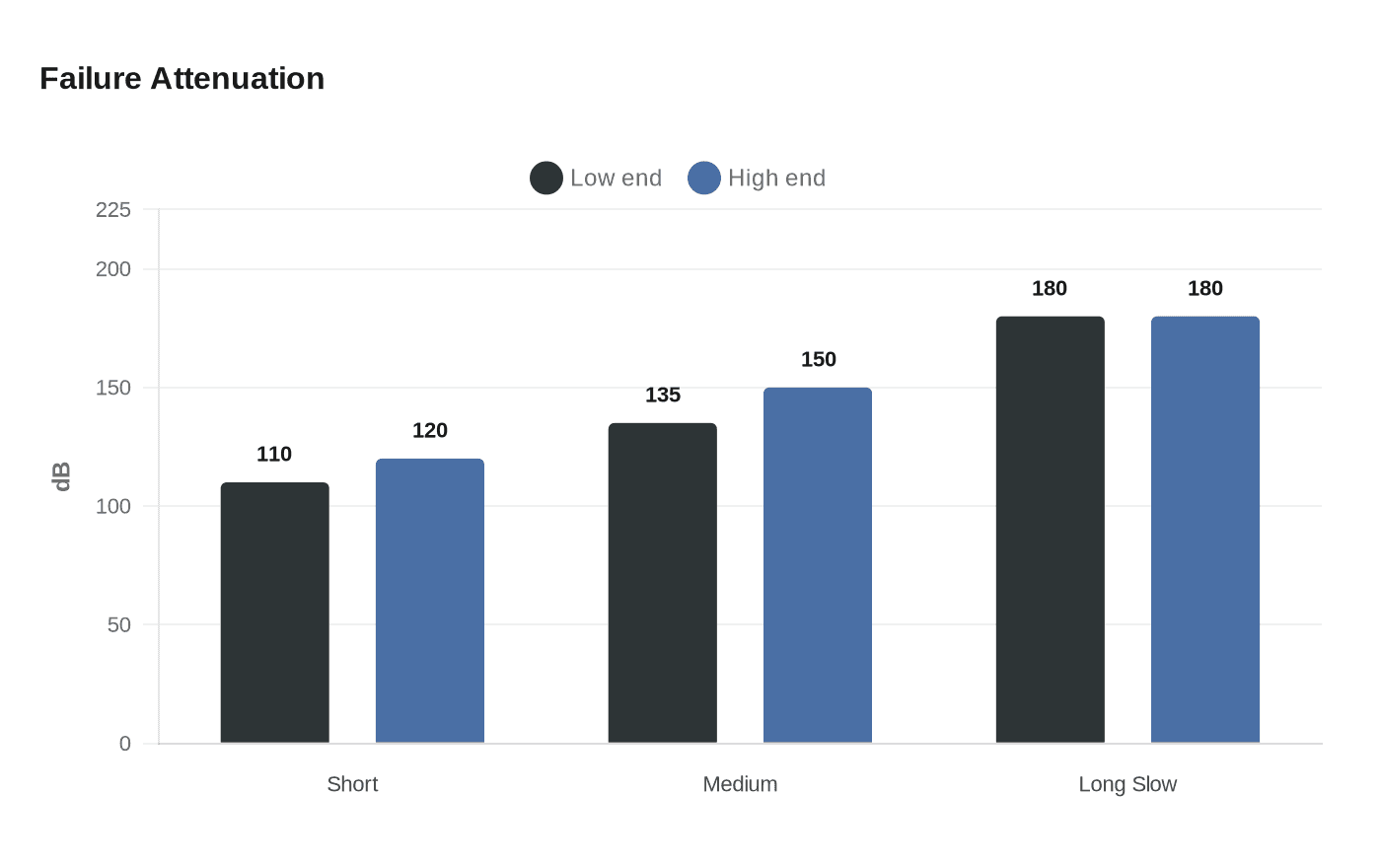
The authors collected 42 datasets across the eight Meshtastic modem presets at three transmission power levels, using a guided-link method designed to separate the physical layer from propagation effects. That matters because it makes the results easier to translate into field decisions. The split by spreading factor was stark: Short presets failed around 110 to 120 dB of path attenuation, Medium presets held until roughly 135 to 150 dB, and Long Slow stretched out to about 180 dB before failure. The study also reported demodulation down to -18 dB SNR for SF12, with collapse arriving only a few dB from the theoretical limit.
For operators, the practical map is now clearer. Meshtastic’s LongFast preset, which the project says uses 250 kHz bandwidth with spreading factor 11 and roughly 1 kbps throughput, is the default compromise for most users, and factory-reset devices return to it. That makes sense in suburban links, where you want a useful mix of reach and airtime. Faster presets fit busy meshes and frequent messaging, where cutting congestion matters more than squeezing out every last dB. Longer presets belong on ridge-to-valley hops and weak-signal emergency paths, where the network can afford slower airtime in exchange for extra margin.
The numbers also fit the broader scale of the ecosystem. Meshtastic’s radio settings for North America place the 915 MHz ISM band from 902 to 928 MHz, and MeshMap shows more than 10,000 nodes visible through the official MQTT-backed network. At that size, preset choice stops being a hobby preference and starts being an operating decision. The study’s message is blunt: before you blame terrain, hardware or a bad antenna, switch the preset and see whether the problem is really airtime, not range.
This article was produced by Prism’s automated news system from verified source data, official records, and press releases, then run through automated quality and moderation checks before publishing. The system is built and supervised by the people who set the standards it runs under. Read our full AI policy.
Know something we missed? Have a correction or additional information?
Submit a Tip