Philadelphia shop hosts Meshtastic 101 workshop for off-grid texting beginners
Iffy Books is turning Meshtastic into a hands-on first step, teaching newcomers to flash a node, set it up, and send an off-grid message.
Iffy Books is using a June 6 Meshtastic 101 class in Philadelphia to do something the mesh world needs more often: turn curious newcomers into operators. The shop at 404 S. 20th St. is offering a practical introduction to off-grid texting with pocket-sized LoRa radios, and the promise is refreshingly concrete. You show up with hardware, flash the latest firmware, tune the settings, and work toward your first real message on a live mesh.
What the class actually teaches
Meshtastic 101 is billed as an introduction to Meshtastic, the application that lets you send private text messages over the air using pocket-sized LoRa transceivers. That framing matters because it keeps the focus on use, not lore. The point is not to memorize radio jargon before you start, but to get from unopened gear to a working node that can actually talk.
The workshop is designed as a practical walkthrough. You flash the latest Meshtastic firmware onto a device, customize the settings, and start chatting. For a first-time attendee, that sequence is the whole game: it removes the stall that often happens between buying hardware and getting a first packet through. Instead of leaving with a half-understood spec sheet, you leave with a setup process you can repeat.
That is a much stronger introduction than a lecture about abstract wireless theory. Meshtastic can feel intimidating from the outside, especially if you are new to LoRa, mesh networking, or off-grid comms, but the class appears built to compress the first steep learning curve into a single guided session. The promise is not mastery. It is momentum.
Why Meshtastic is built for this kind of onboarding
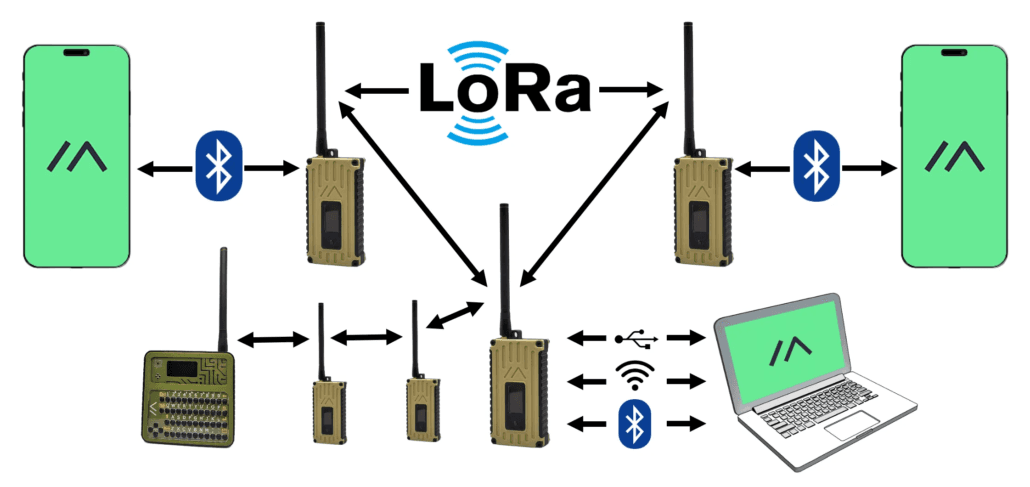
Meshtastic describes itself as an open-source, community-driven, off-grid decentralized mesh network built for affordable, low-power devices. In plain language, it is meant to work without cell towers and without internet access, using inexpensive LoRa radios for long-range communication in places where reliable communications infrastructure is missing or unavailable. Messages move through nearby devices, and they can be rebroadcast when needed, which is what gives the network its resilience.
That architecture makes setup matter. If the first node is misconfigured, the user may think the network is broken when the real issue is only a bad setting. If there are no nearby nodes yet, the same silence can look like a hardware failure. A hands-on workshop cuts through that early uncertainty by letting someone confirm the basics in person, with guidance close at hand.
Meshtastic has also lowered the barrier on the software side. It now offers a web-based flasher for easy device flashing, plus downloadable apps for Apple and Android devices. The companion app can send messages to the radio over Bluetooth, Wi-Fi, Ethernet, or serial, which gives newcomers several paths into the system instead of just one fragile setup method. That is a big part of why the project now feels less like a hobbyist experiment and more like a tool people can realistically deploy.
Why the Philadelphia scene matters
The local support around this workshop is just as important as the firmware. Iffy Books also maintains a Meshtastic zine and related resources, which suggests a sustained effort to onboard new operators rather than a one-off event. Philly Mesh points newcomers toward a Philadelphia and Delaware Valley room in Meshtastic’s official Discord, giving the region a place to keep asking questions after the workshop ends.
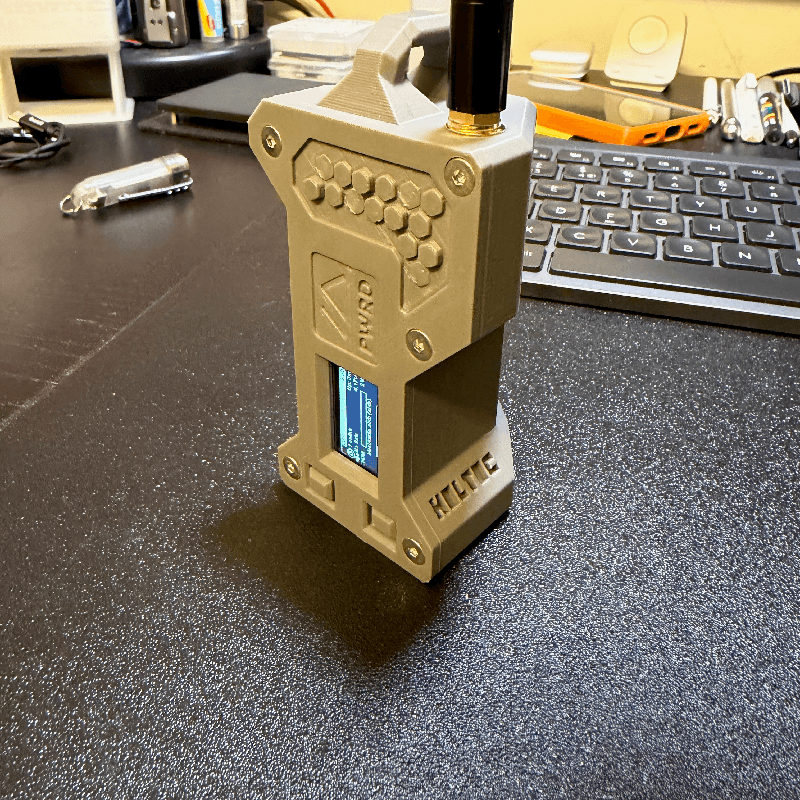
Philly Mesh also says Iffy Books sells Heltec V3 boards at a relatively low price, and that the bundle includes a basic case and antenna. That kind of ready-to-go hardware matters because it takes one more obstacle off the table. At Meshtastic 101 events, buyers reportedly also get a personal getting-started session from Steve, which turns a purchase into an actual setup experience instead of another box waiting on a desk.
That local support network solves a problem every mesh project runs into: the difference between a node that is theoretically correct and a node that is actually connecting. A newcomer can leave the shop not just with gear, but with a way to verify whether the device is misconfigured or whether the area simply has no nearby nodes yet. For a mesh network, that distinction is everything.
A recurring program, not a one-off curiosity
Iffy Books has already hosted other Meshtastic-related events, including a solar-powered Meshtastic node workshop in April and June 2026, and it has another Meshtastic 101 listing for July 9. That steady cadence says a lot about how adoption really spreads. The growth is not driven only by new devices or flashy specs. It comes from repeatable teaching moments that help one person at a time become a working node in the network.
The upstream project is moving too. Meshtastic’s February 26, 2025 preview of version 2.6 introduced a new standalone-device interface and a new routing algorithm for direct messages. In 2025, Meshtastic also said it partnered with DEF CON organizers and community groups to deploy event-specific firmware, which shows the system is already being used in serious event settings, not just in garages and backyards.
That combination of software progress and hands-on local instruction is what makes the Philadelphia workshop worth watching. The newest routing algorithm is interesting, and event firmware at DEF CON is a strong signal, but adoption still depends on people learning how to flash, configure, and trust their first node.
The real proof of Meshtastic’s growth in Philadelphia is not the poster on the wall or the hardware on the shelf. It is the moment a newcomer leaves with firmware flashed, settings adjusted, and the first off-grid message already sent, because that is when a niche radio project starts behaving like a living local network.
This article was produced by Prism’s automated news system from verified source data, official records, and press releases, then run through automated quality and moderation checks before publishing. The system is built and supervised by the people who set the standards it runs under. Read our full AI policy.
Did this article answer your question?