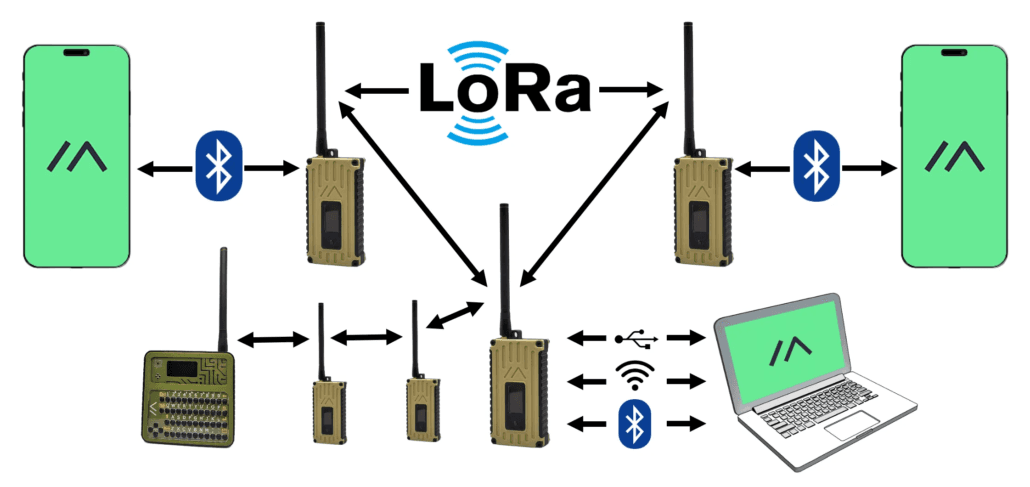
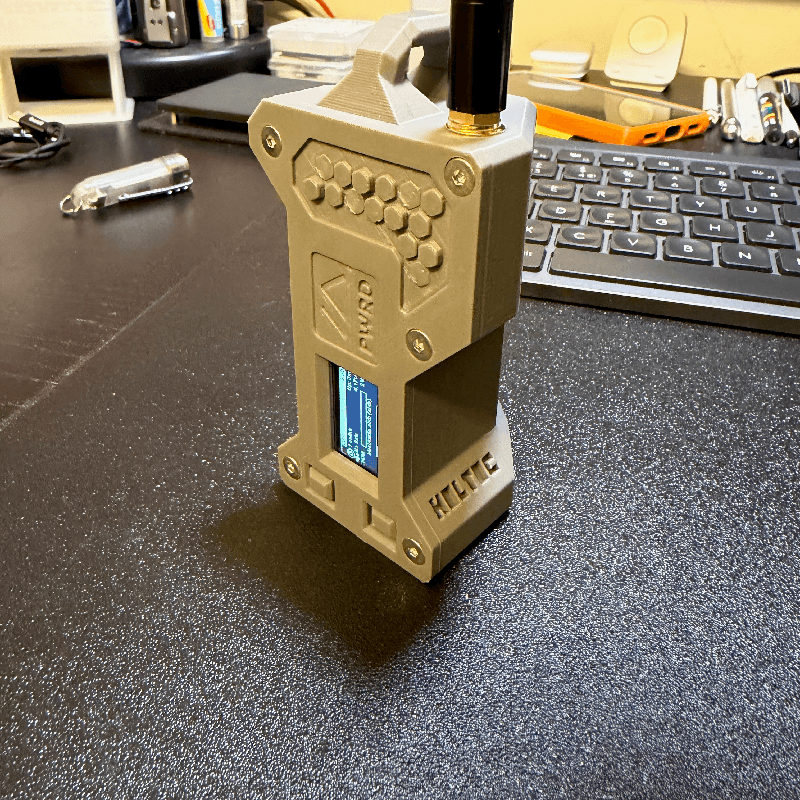
RAKwireless explains how to turn Meshtastic nodes into base stations
The real Meshtastic upgrade is not a louder radio, but a fixed base station that keeps coverage steady, MQTT flowing, and the mesh easier to trust.
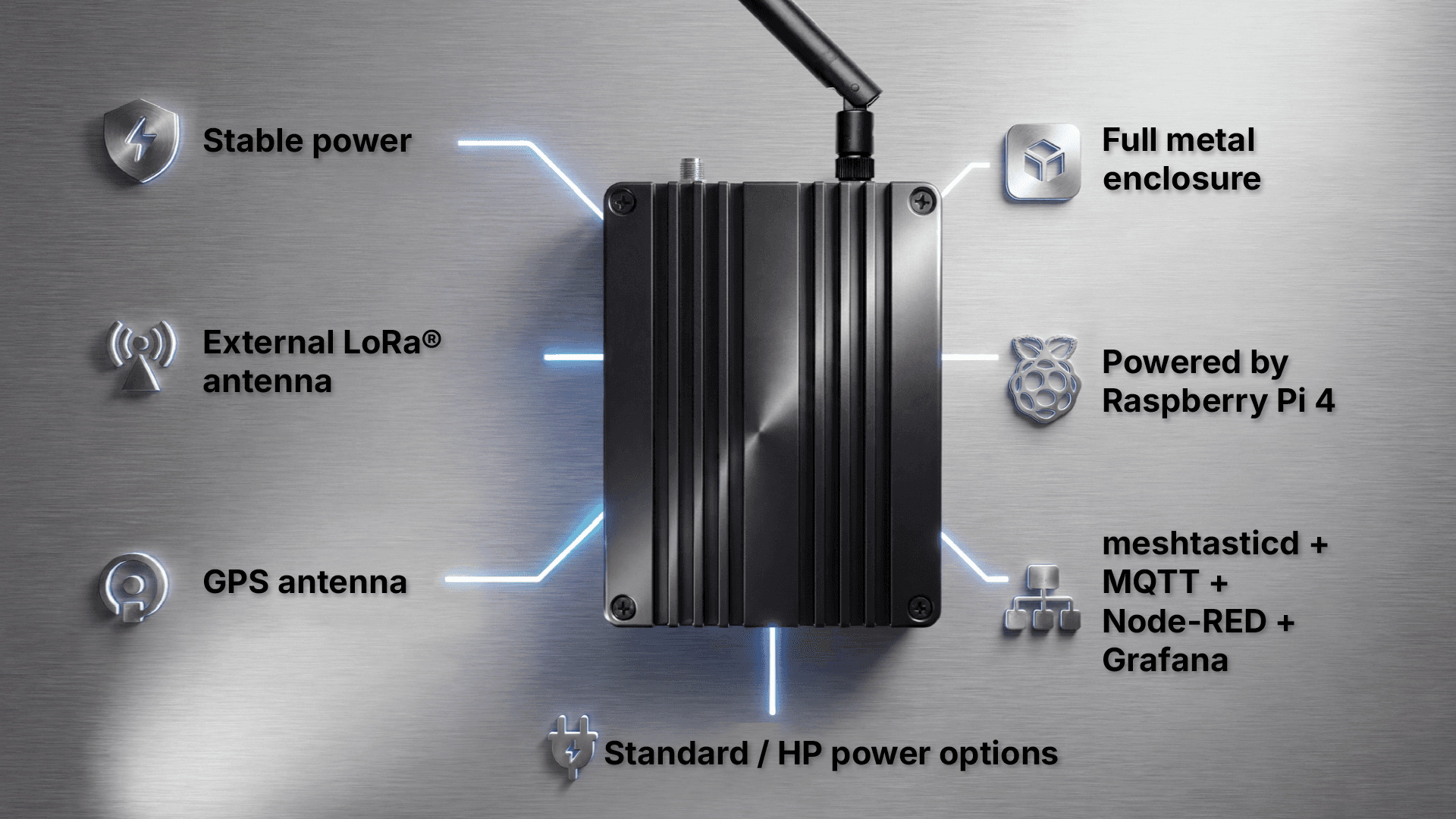
The moment a Meshtastic node stops living in your backpack and starts staying up in one place is the moment it becomes something more useful than a hobby rig. A fixed base station gives the mesh a steady relay point, a cleaner path for messages, and a local hub that can stay online long enough to matter.
When a node becomes infrastructure
RAKwireless frames the base station as the point where Meshtastic moves from casual hiking use or bench testing into something that can support a real network. That means long uptime, relay duties, and a stable anchor for the rest of the deployment, not just another radio on the shelf. Meshtastic’s own project description fits that shift neatly: it is an open-source, off-grid, decentralized mesh built on affordable, low-power devices, so the fixed node is the piece that helps the network keep working when you are not around to babysit it.
The practical test is simple. If you want the node to stay up for long periods, carry traffic for other devices, and provide a dependable place for local services to live, you are already thinking like a base-station builder. At that point, range is only part of the job; consistency matters just as much as coverage.
Pick the right role before you mount the hardware
Meshtastic does not treat every device the same way. Its docs split roles into CLIENT, ROUTER, and REPEATER, and the stationary roles are meant for strategic placement, not for every box you own. The project also warns that using ROUTER or REPEATER when you do not need them can increase packet collisions, reduce delivery rates, and burn through hop budget.
That is the key tradeoff most fixed installs miss. A better base station is not always the most aggressive one. A small number of well-placed routers usually gives you a more stable mesh than scattering extra repeaters everywhere, especially when the goal is neighborhood coverage rather than a quick lab demo.
The hardware choices that actually change coverage
Once you are building for permanence, the decision points get very practical: height, power, weatherproofing, antenna choice, and backhaul. RAKwireless pushes stable power and external antennas as core ingredients of a dependable install, along with a protected enclosure and local services that can run without constant intervention. Height matters because a fixed node only helps the rest of the mesh if it has a good view of the area you want to cover.
RAKwireless splits its ready-to-run options by use case. WisMesh Station is aimed at dense local coverage, while WisMesh Station HP is positioned for longer-range relay or backbone roles where local regulations and deployment conditions allow it. That makes the power question part of the design, not an afterthought: more output can help in the right setting, but it only helps when the radio, antenna, and legal limits all line up.
The regulatory piece is not optional. Meshtastic’s region-by-country guidance maps settings to local spectrum rules, and its radio settings documentation says Europe’s 433 MHz band tops out at +10 dBm ERP, while North America’s 902-928 MHz band allows up to +30 dBm ERP. RAKwireless adds that its 1W Meshtastic devices are only legal for use in the United States on US915, which is a useful reminder that a stronger station still has to stay inside the rules.
DIY builds versus ready-to-run gateways
If you like assembling everything yourself, a base station can absolutely be a do-it-yourself project. In that path, you are putting together the boards, radios, power supply, operating system image, and software stack one layer at a time. That gives you flexibility, but it also means every weak link is yours to diagnose when something drops offline.
The faster path is a ready-to-run gateway. RAKwireless’s WisMesh Station package combines a Raspberry Pi 4 foundation with LoRa mesh communication, WisBlock expansion, and a local-first stack that already includes meshtasticd, Mosquitto MQTT, Node-RED, and Grafana. For a fixed install, that matters because the station is not just relaying packets, it is also giving you a place to monitor, automate, and visualize the network without building the software from scratch.
WisMesh Pi HAT follows the same logic for Raspberry Pi platforms. RAKwireless positions it for stable Meshtastic gateways and relay nodes, which makes it a cleaner fit when you want a Raspberry Pi-based install but do not want to reinvent the radio side every time you scale up.
Why the software stack is part of the station
A base station fails for boring reasons more often than for dramatic RF ones. Power drops, loose cabling, missing dashboards, and incomplete MQTT configuration can do more damage than the LoRa link itself. That is why the software stack around the radio deserves as much attention as the antenna on the roof.
Meshtastic treats MQTT as a first-class feature. The module supports encryption, TLS, JSON output, map reporting, a configurable root topic, client proxy mode, and a public default server, and the project also provides an official Node-RED integration guide for MQTT workflows. In practice, that means a base station can do more than repeat packets: it can feed local dashboards, surface map data, and support automation without depending on cloud services.
The platform is moving toward real deployments
The broader Meshtastic roadmap points in the same direction. The 2.6 preview added a standalone-device UI and a new routing algorithm for direct messages, while the 2.7 preview renamed the default UI BaseUI. Meshtastic also published an update to supported hardware in 2025 aimed at reducing maintenance overhead and improving long-term sustainability.
That is the larger story behind a base station build. Meshtastic is still a low-power, off-grid mesh, but the ecosystem is maturing into something that can support more than one-off experiments. When you choose the right role, mount the hardware with care, feed it stable power, and give it a local software stack that can stay online, the node stops being a gadget and starts acting like community infrastructure.
That is the real dividing line: once you stop carrying the node and start mounting it, the mesh gains a fixed anchor that makes the rest of the network easier to trust.
This article was produced by Prism’s automated news system from verified source data, official records, and press releases, then run through automated quality and moderation checks before publishing. The system is built and supervised by the people who set the standards it runs under. Read our full AI policy.
Did this article answer your question?