RAKwireless shows how to make Raspberry Pi Meshtastic nodes more reliable
Stable on day one, flaky later: RAKwireless zeroes in on the Raspberry Pi Meshtastic failure modes that leave unattended nodes needing babysitting.
The failure mode that catches people
The Raspberry Pi Meshtastic node that looks solid on the bench can turn unreliable after it has been left alone long enough for the weak points to show. RAKwireless’s new guide is built around that exact problem: the setup usually does not fail because Meshtastic software is fragile, but because the hardware stack quietly slips out of sync.
That matters most for unattended gateways, relay nodes, and always-on home bases. A node that keeps running only when someone is nearby is not much use in the field, and it is even less useful when it sits behind a desk, in a workshop, or on a shelf where nobody is watching for a USB radio to drop offline.
Why the Pi keeps showing up in Meshtastic builds
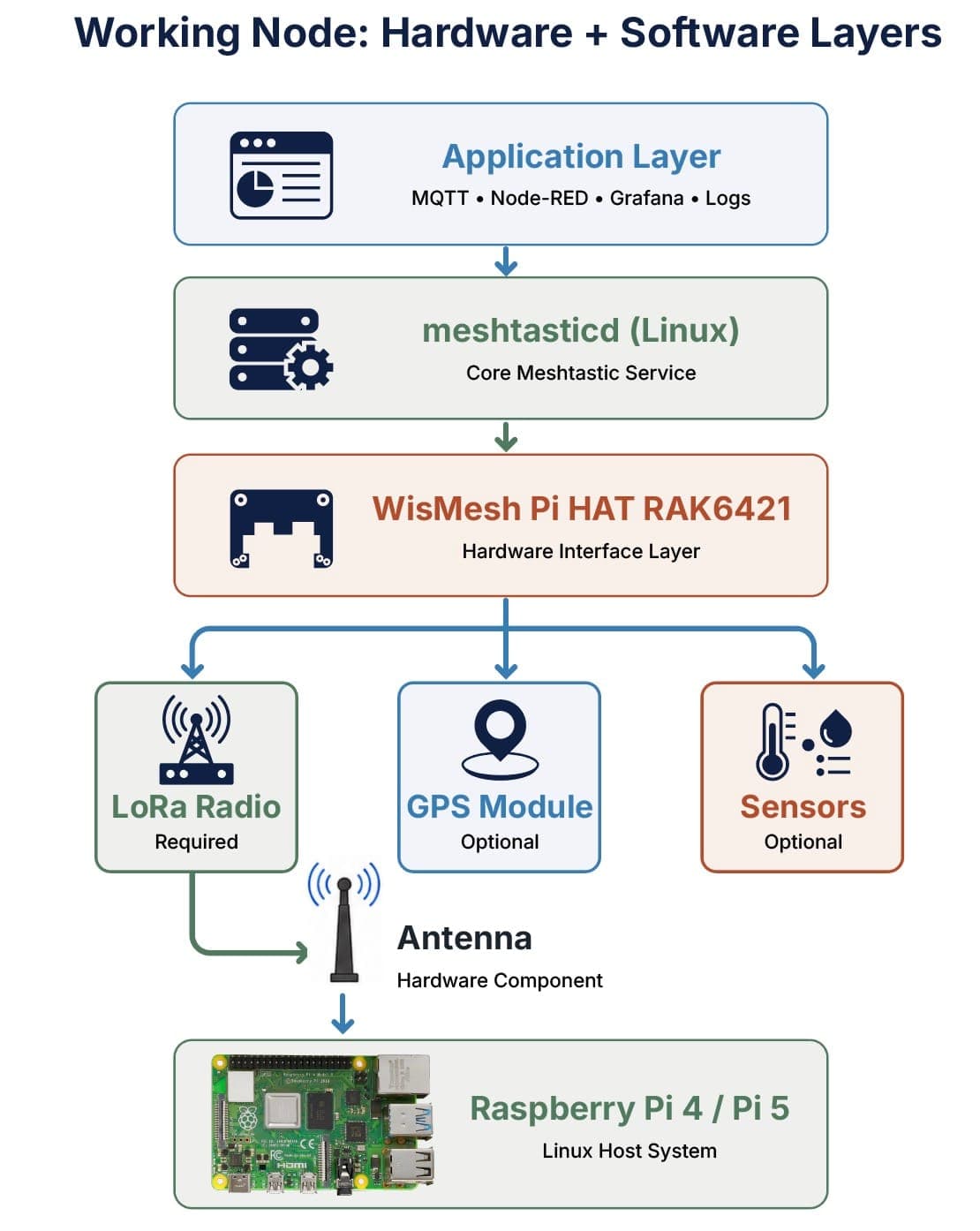
The Raspberry Pi is attractive because it can do more than just talk to the mesh. RAKwireless points to meshtasticd running alongside MQTT brokers, dashboards, logging tools, and automation workflows, which turns one small board into the center of a much larger setup. That is exactly why so many Meshtastic builders reach for the Pi first.
Meshtastic’s Linux-native meshtasticd helps explain that popularity. It is the native binary for MacOS and Linux systems with SPI or USB radios, so the Pi sits in a sweet spot between flexibility and familiarity. If you want a node that can also feed data into a dashboard or push telemetry into a home automation stack, the Pi makes sense immediately.
What usually breaks first
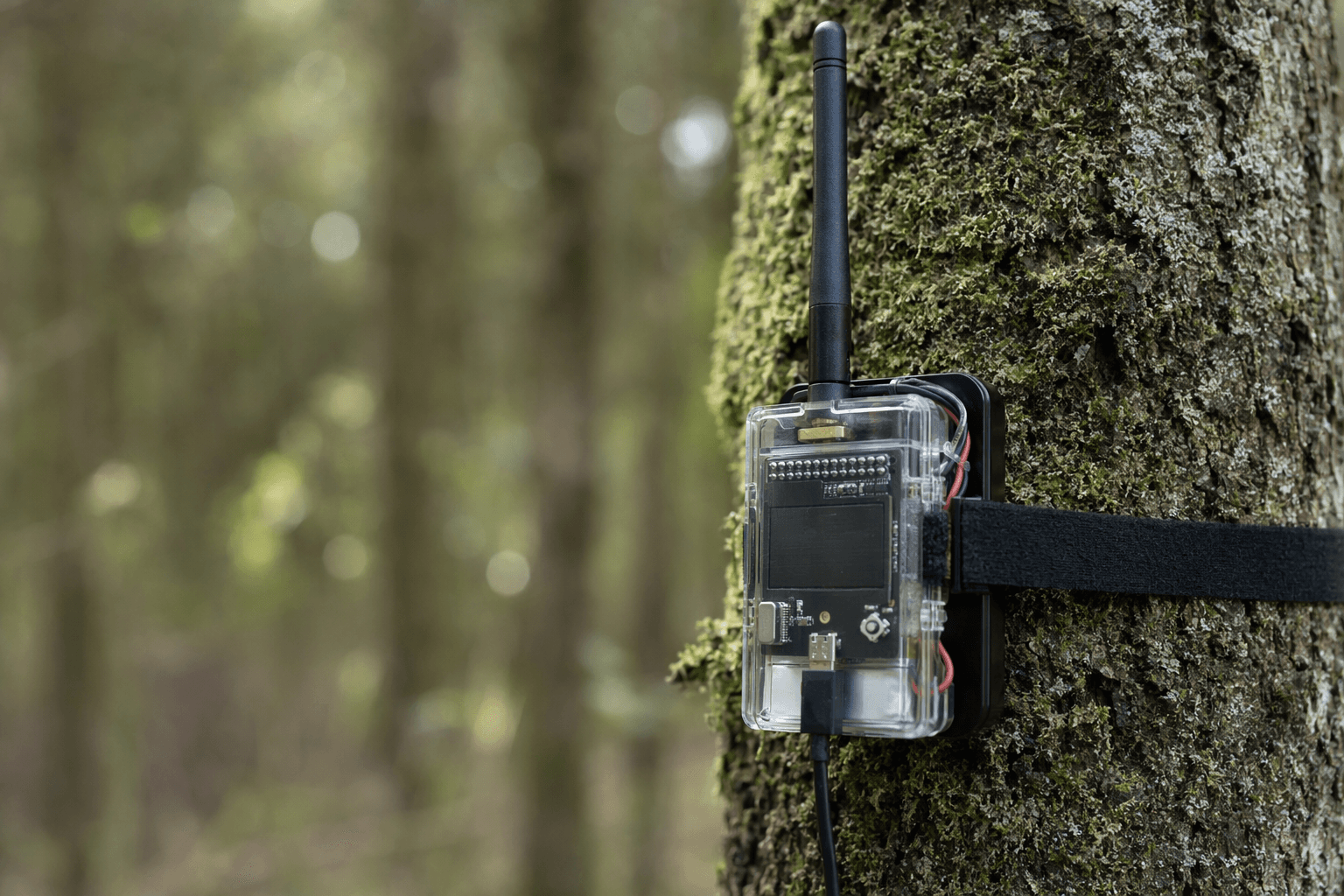
RAKwireless’s guide is blunt about the real-world failure points: USB radios that disconnect unexpectedly, loose cables and adapters that move over time, and small power dips that are enough to make a working node behave like a problem child. Those issues can be easy to miss at first because the node may boot cleanly, join the mesh, and appear healthy right up until the moment it stops being dependable.
The warning signs are practical rather than dramatic. You are looking for a node that needs restarting too often, a radio that disappears and comes back on its own, or a build that behaves differently after the cable is bumped or the power path is stressed. In a casual bench test, those symptoms can look minor; in a gateway that is supposed to run unattended, they are the difference between a stable base station and a setup that needs constant babysitting.
- If the radio lives on USB, the connection itself becomes part of the reliability story.
- If the node depends on cheap adapters or loose cabling, the mechanical weak point becomes the failure point.
- If the power source is marginal, even tiny dips can make the entire stack feel unstable.
A simple way to think about the problem is this:
USB or LoRa HAT is not a trivial choice
One of the most useful parts of the guide is that it treats connector choice as a deployment decision, not a preference. RAKwireless points operators toward thinking carefully about whether to connect radios by USB or through a LoRa HAT, because that choice affects stability, serviceability, and how easily the same build can be repeated on another node.
That lines up with Meshtastic’s own hardware guidance. The docs warn that stacking hats can create pin conflicts, and they also note that not every USB or hat-based radio is equally recommended for deployment. In other words, the cleanest-looking stack is not always the most reliable one, especially once you add enclosures, GPS, sensors, and long runtimes into the mix.
For anyone building more than one node, reproducibility matters as much as convenience. A gateway that is easy to recreate on a second or third Raspberry Pi is far more valuable than a one-off prototype that only works when assembled exactly the same way by hand.
Build the stack like infrastructure
That is where the Pi stops being a hobby board and starts being infrastructure. Meshtastic’s Raspberry Pi documentation covers Raspberry Pi 2 through 5 and includes steps for enabling SPI, I²C, and UART, which reinforces the idea that these builds are meant to support radio and GPS setups that can stay in place for a long time. Once you are wiring for a base station instead of a quick demo, the goal shifts from “does it work?” to “will it keep working?”
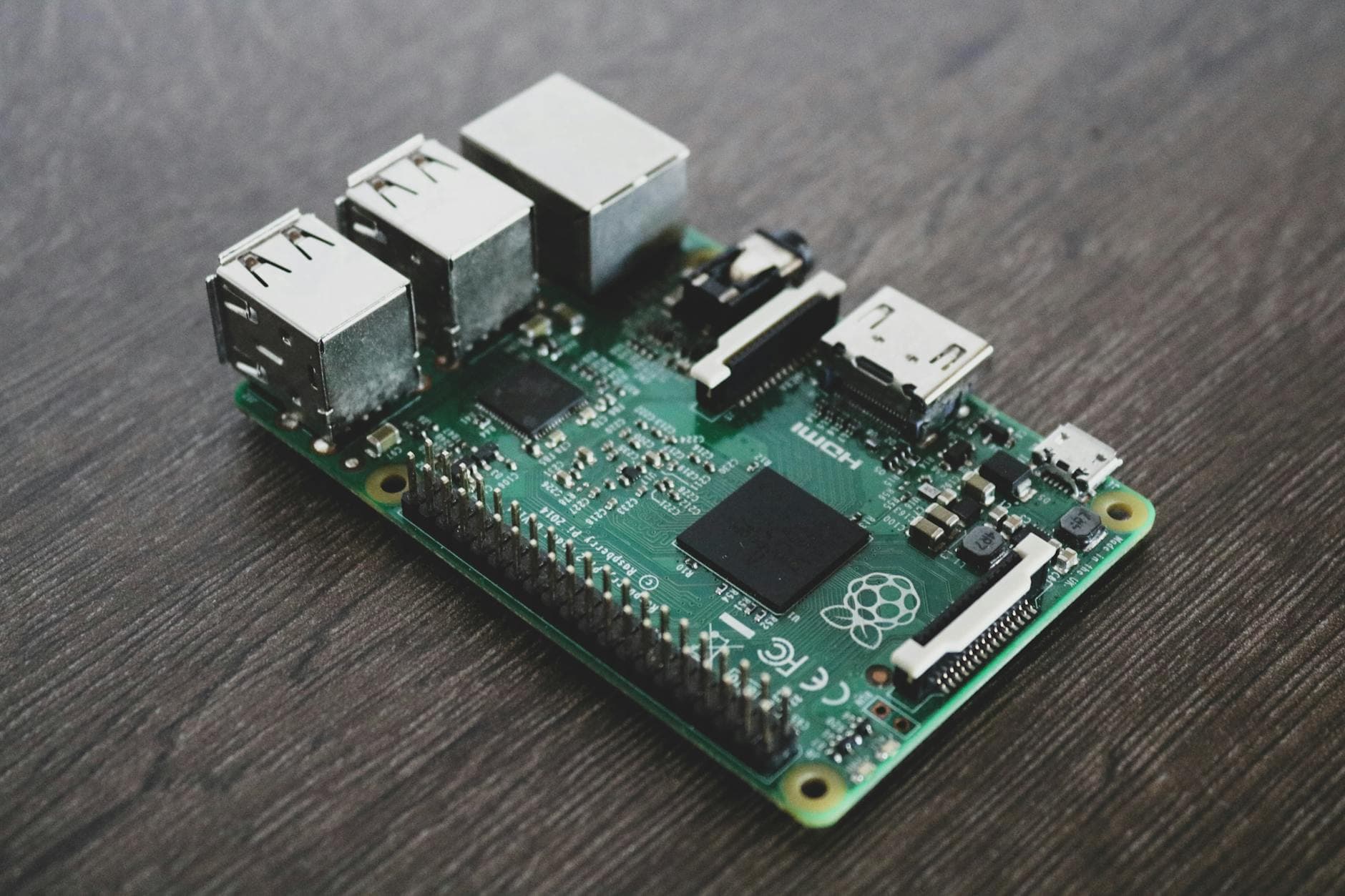
The guide’s real message is that durability comes from the whole stack, not just the radio firmware. If your Pi is also handling Node-RED, Grafana, logging, or sensors, the physical build needs to stay tidy enough that one loose cable does not undo the entire setup. That is especially important for home nodes that are expected to run quietly in the background, day after day, without someone hovering nearby to catch the first sign of trouble.
Why RAKwireless is leaning into this now
The May 18, 2026 guide fits into a longer RAKwireless pattern around Meshtastic education. The company published a Meshtastic 2.0 post on November 17, 2024, and in a February 11, 2026 bulletin said early 2026 was centered on deeper education around Meshtastic and high-power LoRa design. That makes the Raspberry Pi piece feel less like a standalone tip and more like part of a bigger push toward reliable, repeatable mesh deployments.
That context matters because it shows where the emphasis is going: fewer throwaway experiments, more practical builds that can survive real use. For Meshtastic operators who want a gateway that stays online after the cable settles, the adapter warms up, and the power blips start to happen, the lesson is simple. Reliability is not won by the software alone, it is won by the entire Raspberry Pi stack holding together when nobody is watching.
This article was produced by Prism’s automated news system from verified source data, official records, and press releases, then run through automated quality and moderation checks before publishing. The system is built and supervised by the people who set the standards it runs under. Read our full AI policy.
Know something we missed? Have a correction or additional information?
Submit a Tip