Seeed Studio spotlights Meshtastic cases for field use and portability
Meshtastic cases are no longer just protection. The right enclosure now decides whether a node rides in a pocket, clips to a strap, or survives a longer field deployment.
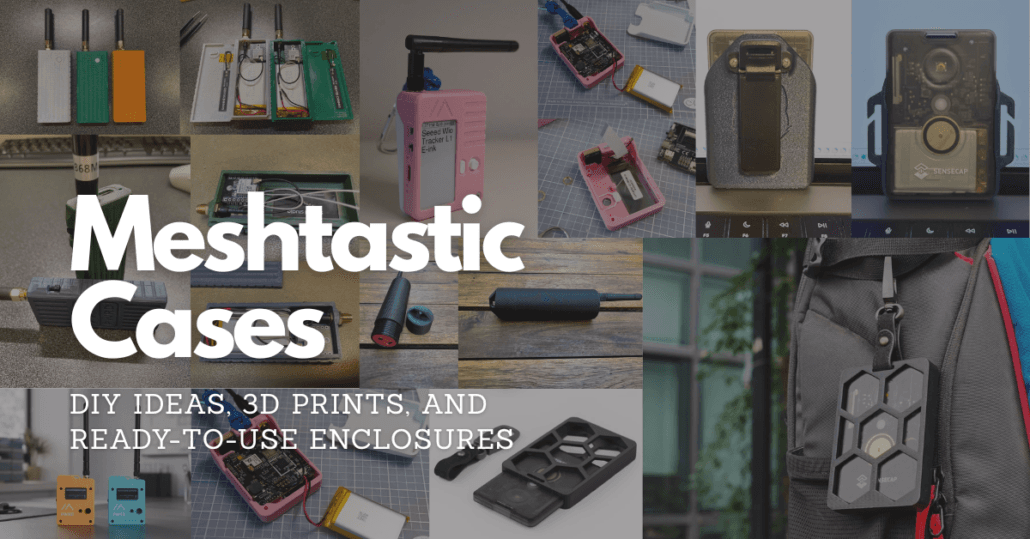
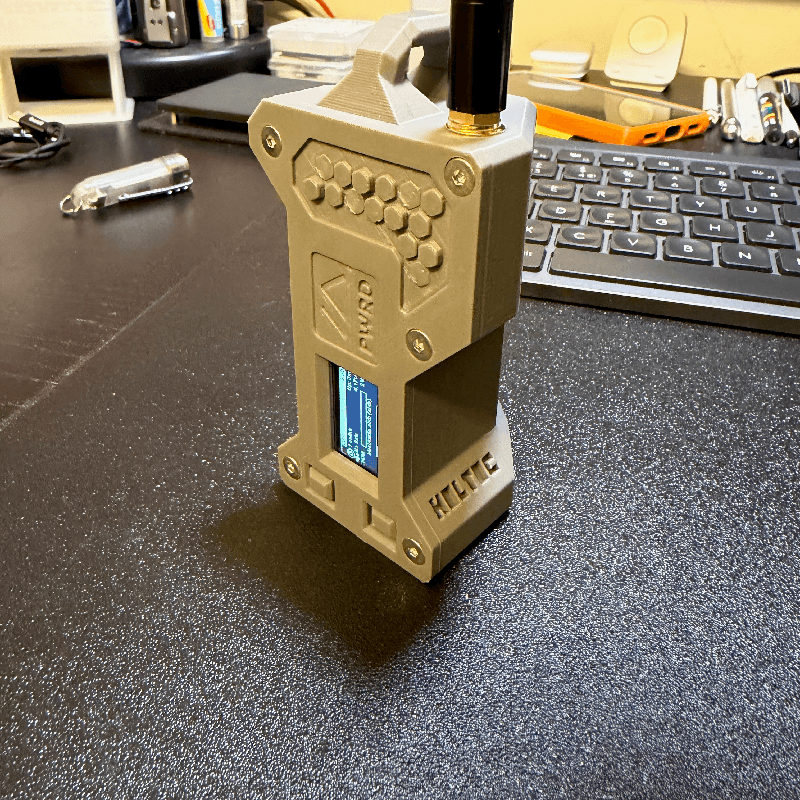
Meshtastic starts as a radio problem, but in the field it quickly becomes a packaging problem. The network is open-source, off-grid, and built on affordable, low-power LoRa devices, yet the moment you carry one outside a bench setup, the case starts shaping everything from portability to battery life to how you mount the node on your body or pack. Seeed Studio’s June 4 guide gets that right by treating enclosures as deployment gear, not decoration.
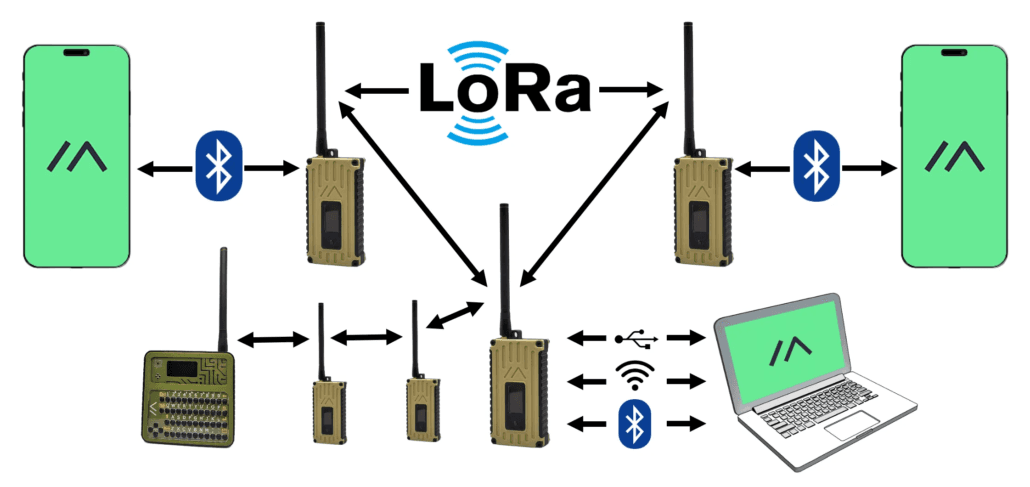
That framing matches how Meshtastic is used in practice. The project’s documentation describes it as a long-range communication platform that works without internet or cell service, and its community docs even include an Enclosures section. In other words, case design is not an afterthought in this ecosystem. It is part of how people turn a small radio board into something that can actually live in a pocket, on a strap, or in a field kit.
Choose the enclosure for the job, not the board
Seeed’s guide is useful because it organizes cases around use cases rather than a simple product parade. That matters because the same node can feel perfect for one deployment and clumsy for another. A lightweight tracker that disappears into everyday carry may be wrong for a long weekend on trail. A battery-heavy shell that makes sense for a static relay can feel like overkill if you just want something clipped to a jacket.
The SenseCAP T1000-E is a good example of why this choice matters. Seeed lists it at 85 x 55 x 6.5 mm and 32 g, which is compact enough to make enclosure decisions feel immediate. The device also supports LoRa, Bluetooth 5.0, Thread, and Zigbee, and it includes an integrated Mediatek AG3335 GPS chip. That mix makes the enclosure part of the operating system in practice: the case has to preserve portability, keep the tracker usable, and not ruin the whole point of carrying a tiny node.
For everyday carry, favor slim, clip-first designs
If you want a node that behaves like something you carry every day, the best enclosure class is the one that stays out of the way. That is where clip-on and holster-style designs make the most sense. Seeed highlights an Alley Cat clip-on case as a hands-free everyday-carry option that can attach to clothing, backpack straps, or gear without relying on a separate tether.
That small detail matters more than it sounds. A case that clips cleanly changes how often you actually carry the node, how quickly you can move it between a shirt, a strap, and a pack, and how likely it is to stay put when you are active. The Printables listing for the Alley Cat holster adds another practical advantage: you can still attach the charger without removing the device. It also uses a Baofeng screw-on clip and heat-set inserts, which tells you the design is aimed at repeat use rather than one-time display.
For EDC, the right question is not whether the enclosure looks rugged. It is whether the node remains easy to carry, easy to charge, and easy to deploy without a small ritual every time you leave the house.
For hiking and rough outdoor use, pick protection plus attachment points
Once you move from daily carry to trail use, the enclosure has to do two jobs at once: protect the device and make it easy to secure. Seeed points to a protective case for the SenseCAP T1000-E co-created by Jace Harrison Crowley, designed to keep the IP65-rated tracker lightweight while adding a rigid outer shell and attachment points for a lanyard, keychain, or carabiner. That is exactly the kind of compromise hiking asks for.
The story behind that case gives the design extra context. In Seeed’s earlier July 2025 post, Crowley is described as an avid mountaineer and Meshtastic enthusiast, and the company says he uses the T1000-E to communicate and keep track of group members and his dog. That is a very specific field use case, and it explains why the enclosure focuses on attachment flexibility as much as on protection. When you are moving through uneven terrain, a case that can ride on a lanyard or carabiner is doing real operational work.
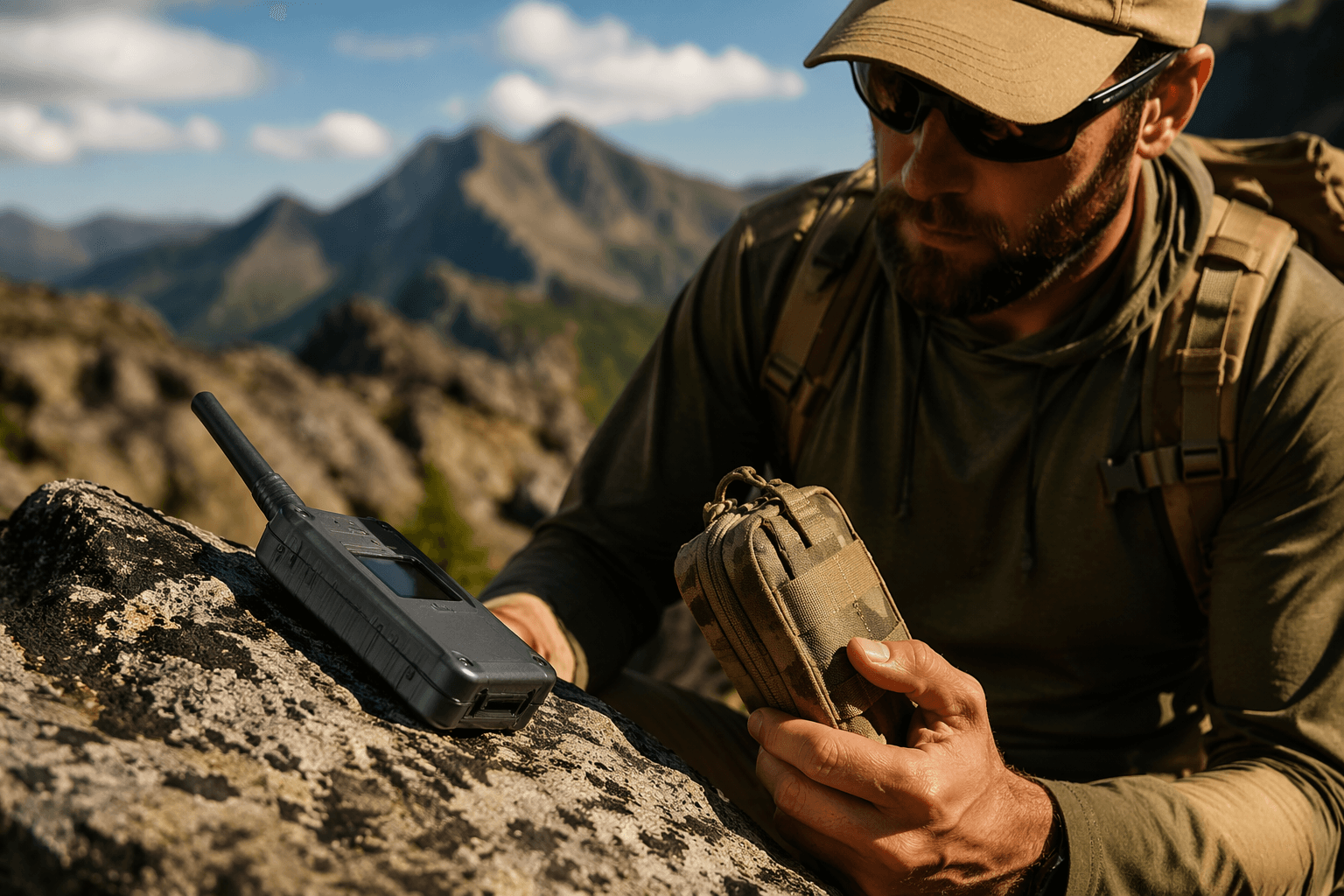
This is also where the T1000-E’s scale matters. A device that is only 32 g does not stay tiny for long once the enclosure gets bulky. The best hiking case protects the radio and GPS while preserving the tracker’s ability to disappear into a pack system or clothing setup.
For longer deployments, let battery capacity lead the design
Longer field work changes the equation again. At that point, the best enclosure class is often the one that gives you room for power rather than the one that is smallest in the hand. Seeed highlights a Wio Tracker L1 E Ink enclosure designed by zeropt that is built around a 2000mAh battery, which makes it a better fit for longer deployments where runtime matters more than size alone.
That is a different kind of portability. For EDC, you want something you forget you are carrying. For extended deployment, you want something you can leave in place and trust. A larger battery enclosure may be less elegant in a pocket, but it can be far more practical when the node is meant to sit on a ridge, in a camp, or on a fixed field setup for longer periods.
The design ecosystem around Meshtastic has matured enough to make that tradeoff visible. Users are not just choosing between generic shells anymore. They are choosing between clipped carry, rigid outdoor protection, and battery-optimized builds that match the duration of the mission.
How to choose the right enclosure class
If you are matching a case to a deployment, the decision usually comes down to three questions:
- Do you need the node on your person all day? Choose a slim, clip-first enclosure that stays easy to wear and charge.
- Do you need to move through rough terrain? Choose a protective shell with lanyard, keychain, or carabiner points.
- Do you need runtime more than size? Choose a higher-capacity enclosure built around a larger battery.
That framework lines up neatly with the ecosystem Seeed is pointing to. Community-created 3D-printable enclosures, ready-to-use accessories, and official or semi-official case designs all exist because Meshtastic is now used in different ways by different operators. The project’s own community pages and third-party model hubs catalog a wide mix of T1000-E and Meshtastic enclosures with different mounting styles, magnets, clips, and battery arrangements. The category has become broad enough that enclosure choice now says something about how you operate, not just what board you bought.
Meshtastic has outgrown the bare development-board phase. Once you start treating the case as part of the deployment, the gear begins to make more sense, whether you are carrying a node every day, clipping it to a pack on a hike, or leaving it out for a longer field run. The enclosure is not the accessory around the radio anymore. It is the thing that decides how the radio gets used.
This article was produced by Prism’s automated news system from verified source data, official records, and press releases, then run through automated quality and moderation checks before publishing. The system is built and supervised by the people who set the standards it runs under. Read our full AI policy.
Did this article answer your question?