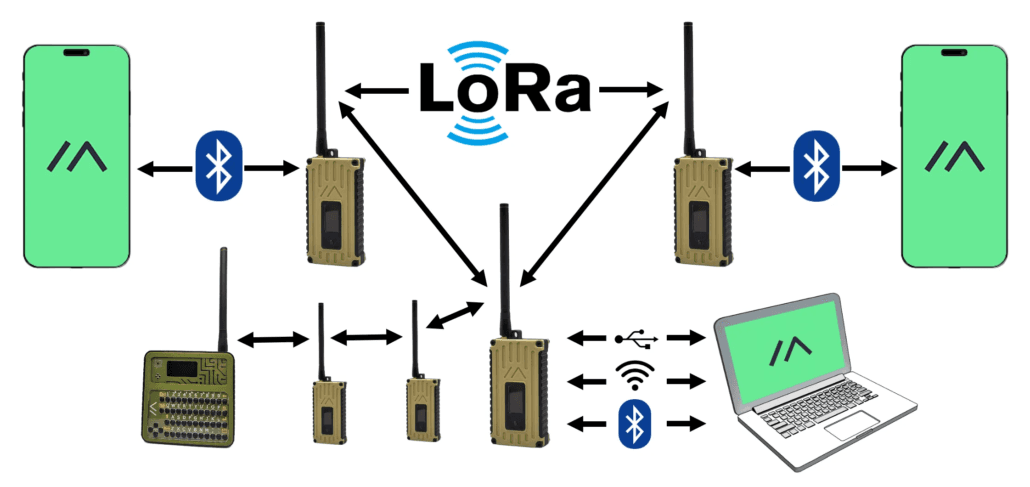
Virginia Peninsula Mesh builds city-wide Meshtastic text network in Hampton Roads
Virginia Peninsula Mesh is turning radios into a city-scale service, with live maps, telemetry, MeshBOT, and a standing weekly meetup.
Virginia Peninsula Mesh is doing something a lot of Meshtastic groups talk about but rarely make visible: it is turning a local radio mesh into something that looks and behaves like civic infrastructure. The network is built from battery- and solar-powered radios across Hampton Roads, and the group openly describes it as a city-wide text messaging system. Live maps, telemetry, and a gateway bot now sit on top of the radios, giving operators and ordinary users a reason to keep using the mesh after the novelty wears off.
A mesh that already has utility
The clearest sign of maturity is that the network is no longer just a pile of nodes. Virginia Peninsula Mesh has built MeshInfo, which surfaces live node maps, neighbor views, traceroutes, stats, and telemetry so operators can see how the network is actually behaving. That matters because it turns every node into something measurable: you can see which devices have been heard, where they sit in the mesh, and whether packets are moving the way they should.
The telemetry view shows that this is not theoretical. One live page records 12 nodes and 1,000 samples, which is the kind of operational detail that lets a local mesh move beyond a hobby dashboard and into ongoing service. When a network can show you node health, link behavior, and pathing at a glance, it becomes easier to troubleshoot weak spots and easier to trust it for day-to-day use.
MeshBOT gives the network a public face
Virginia Peninsula Mesh has also put a user-facing layer on the network through MeshBOT, attached to the node VPMesh.org [MeshBot | Gateway]. That bot does more than send a hello message. It supports quick test messages, weather checks, and bulletin-board style offline announcements, along with commands including #test, #weather, #whois, and #bbs post/get.
That mix is important because it gives people a reason to interact with the mesh even when they are not diagnosing a problem. A test message confirms a path. A weather lookup makes the network useful in routine life. A bulletin board makes it possible to distribute information when phones, apps, or internet access are not dependable. In practical terms, MeshBOT turns the mesh from a place where packets pass through into a place where people can actually do something.
The weekly meetup keeps the network alive
The human layer is just as visible as the technical one. Meshtastic Mondays has a scheduled event page for June 29, 2026, and the fact that the group keeps a standing weekly meetup signals continuity, not one-off enthusiasm. In local mesh projects, that kind of recurring gathering is what keeps nodes from going dark after the first build-out phase.
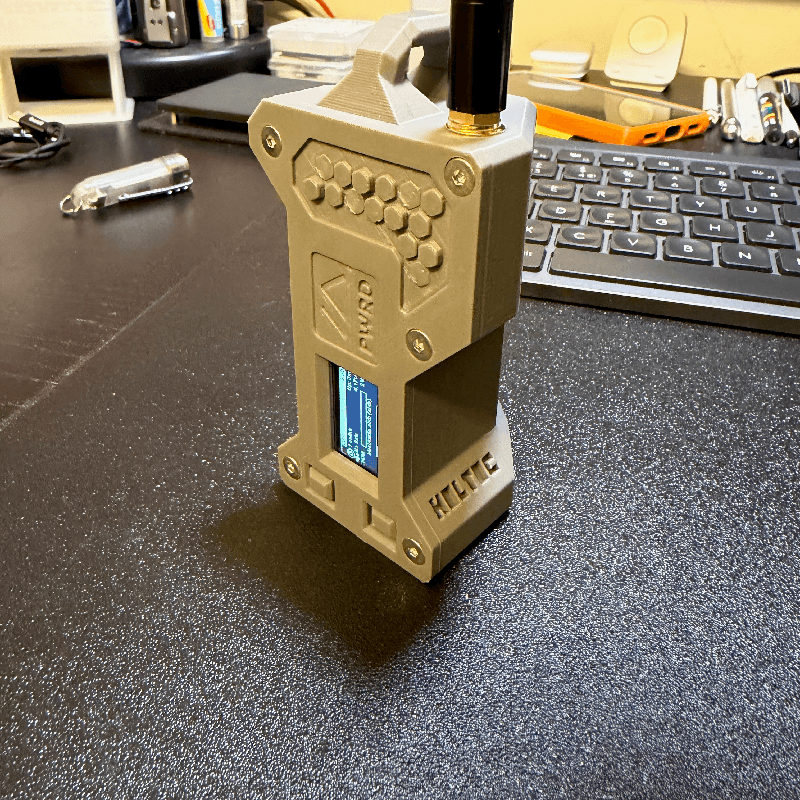
That rhythm matters because the network itself is designed to be maintained by people who keep showing up. Virginia Peninsula Mesh says handheld nodes can also act as repeaters, which means the system is not limited to fixed infrastructure alone. A community that meets regularly can re-home nodes, extend coverage, and keep repeaters aligned with how the network is actually used on the ground.
Why the 906.875 MHz choice matters
The radio side of the story is just as grounded. Virginia Peninsula Mesh says it is operating on 906.875 MHz using the LoRa protocol and Meshtastic software. That puts the project squarely in Meshtastic’s North America band, which runs from 902 to 928 MHz, and matches the default LongFast slot centered at 906.875 MHz.
That detail matters because it shows the network is built on the standard U.S. Meshtastic configuration rather than a custom frequency plan. For builders, that lowers friction. For new node owners, it means the local network is speaking the same radio language as the wider community, which makes onboarding simpler and troubleshooting less opaque.
The broader Meshtastic context is catching up to what local groups are already doing
Meshtastic describes itself as an open-source, decentralized, off-grid mesh network that does not need cell towers or internet access. The project began as a way to keep hiking buddies connected when cell service was unavailable, but it is now used in search and rescue, off-grid communication, disaster recovery, and grid-down scenarios. That evolution helps explain why Virginia Peninsula Mesh’s approach feels bigger than a neighborhood experiment.
Meshtastic also says messages can be rebroadcast through the network and retried automatically, which is part of why a community-built mesh becomes more valuable as more nodes come online. In February 2026, Meshtastic added native TAK server integration in its iOS app, a sign that the broader ecosystem is moving toward richer situational awareness tools. Virginia Peninsula Mesh’s live maps and telemetry sit in the same lane: not just moving text, but showing how the network is functioning in real time.
A playbook other regions can copy
Virginia Peninsula Mesh points to a repeatable path for anyone trying to grow from scattered hobby nodes into a network with civic value. The ingredients are visible here: deploy battery- and solar-powered radios, keep the frequency plan consistent, publish a live map, add telemetry so operators can see what the network is doing, and give users a bot that does something useful on ordinary days.
The other piece is social, not technical. A standing meetup like Meshtastic Mondays gives the network a place to absorb new builders, repair weak links, and keep the project visible outside of emergency conversations. That is how a mesh starts looking less like a collection of gadgets and more like a shared utility.
Virginia Peninsula Mesh is proving that the real milestone is not just having radios on the air. It is building the tools, habits, and public touchpoints that make a mesh worth using every day.
This article was produced by Prism’s automated news system from verified source data, official records, and press releases, then run through automated quality and moderation checks before publishing. The system is built and supervised by the people who set the standards it runs under. Read our full AI policy.
Did this article answer your question?