XDA spotlights $35 touchscreen board that simplifies Meshtastic setup
A $35 Elecrow board could be the cheapest way to try Meshtastic on a screen, before spending on a more specialized node.
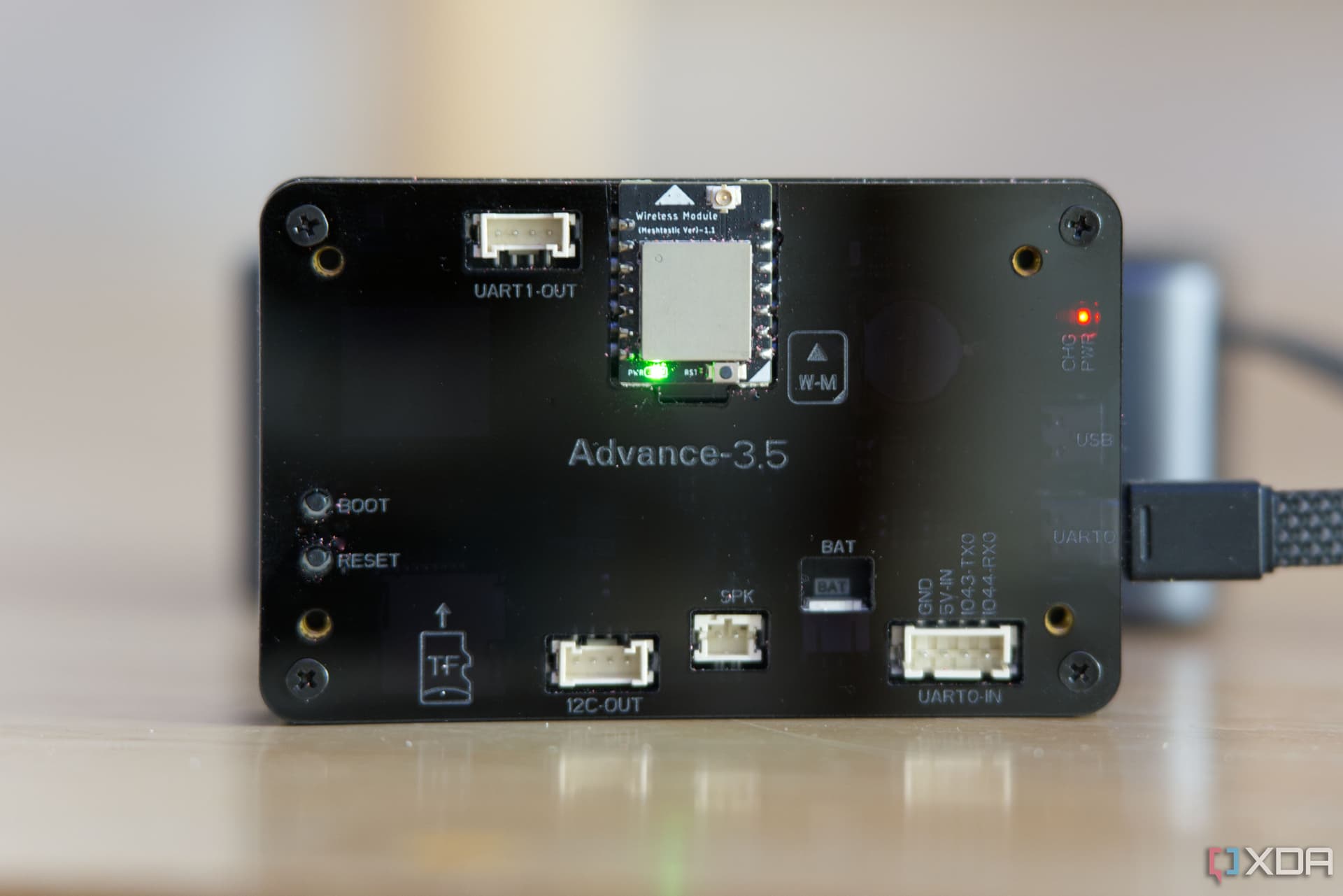
A $35 touchscreen board may be the lowest-friction way yet to see whether Meshtastic fits your setup before you buy a more specialized node. For first-time users, loaner kits, or anyone building a demo rig, the appeal is simple: less wiring, less guesswork, and a device that already looks like a finished product.
The board Elecrow is selling is based on an ESP32-S3-WROOM-1 and packs a 3.5-inch IPS capacitive touchscreen, 8MB of PSRAM, 16MB of flash, an integrated microphone and speaker, and a 480 by 320 display with about 400 nits of brightness on the spec sheet. That puts it squarely in the sweet spot for casual Meshtastic experimentation, where a clear screen and quick setup matter more than chasing the most specialized radio build.
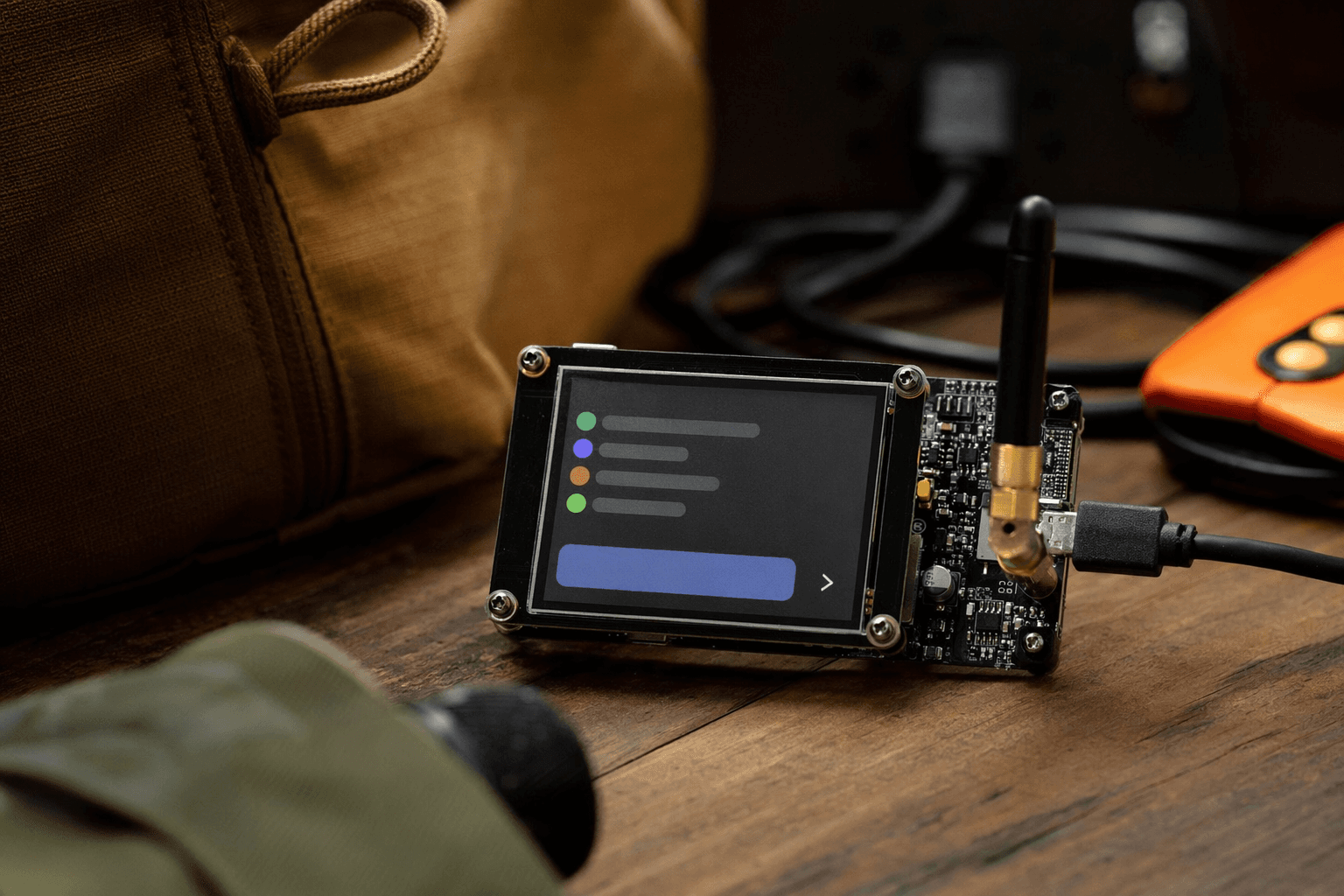
Meshtastic itself is built for that kind of flexibility. The project describes itself as an open-source, community-driven, off-grid decentralized mesh network built on affordable, low-power devices, with LoRa radios carrying messages where cellular service and the internet are unavailable. Its getting-started docs also make the entry path plain: users can connect a phone or computer to a radio over Bluetooth, Wi-Fi, or USB. A self-contained touchscreen board trims some of that friction by folding the interface into the hardware instead of depending on a separate controller.
The price point also matters because Meshtastic is already spreading across different kinds of touchscreen hardware. The project supports Seeed Studio’s SenseCAP Indicator, a 4-inch touchscreen device with dual MCUs, the ESP32 and RP2040, plus Wi-Fi, BLE, and LoRa. It also supports LILYGO’s T-Deck family, which pairs a physical keyboard with touchscreen displays. The new Elecrow board does not replace those options, but it gives the ecosystem another low-cost entry point for users who want to test the waters without committing to a more complex handheld.
That said, convenience still comes with tradeoffs. A cheap ESP32-based board can lower the barrier to entry, but it may not match the flexibility, ergonomics, or radio performance of more purpose-built Meshtastic hardware. That tension is exactly why the device stands out: it is good for learning, lending, and quick demos, while the more ambitious builds remain the better fit for users who already know what they need.
Meshtastic’s own 2.6 preview, published on February 26, 2025, pointed in the same direction with Meshtastic UI for standalone devices and LAN meshing over UDP for ESP32 devices on Wi-Fi. Together, those changes and the new $35 board make the same point from different angles: the easiest way into Meshtastic is getting easier, but the best hardware choice still depends on whether you are trying to learn, lend, or deploy.
This article was produced by Prism’s automated news system from verified source data, official records, and press releases, then run through automated quality and moderation checks before publishing. The system is built and supervised by the people who set the standards it runs under. Read our full AI policy.
Know something we missed? Have a correction or additional information?
Submit a Tip