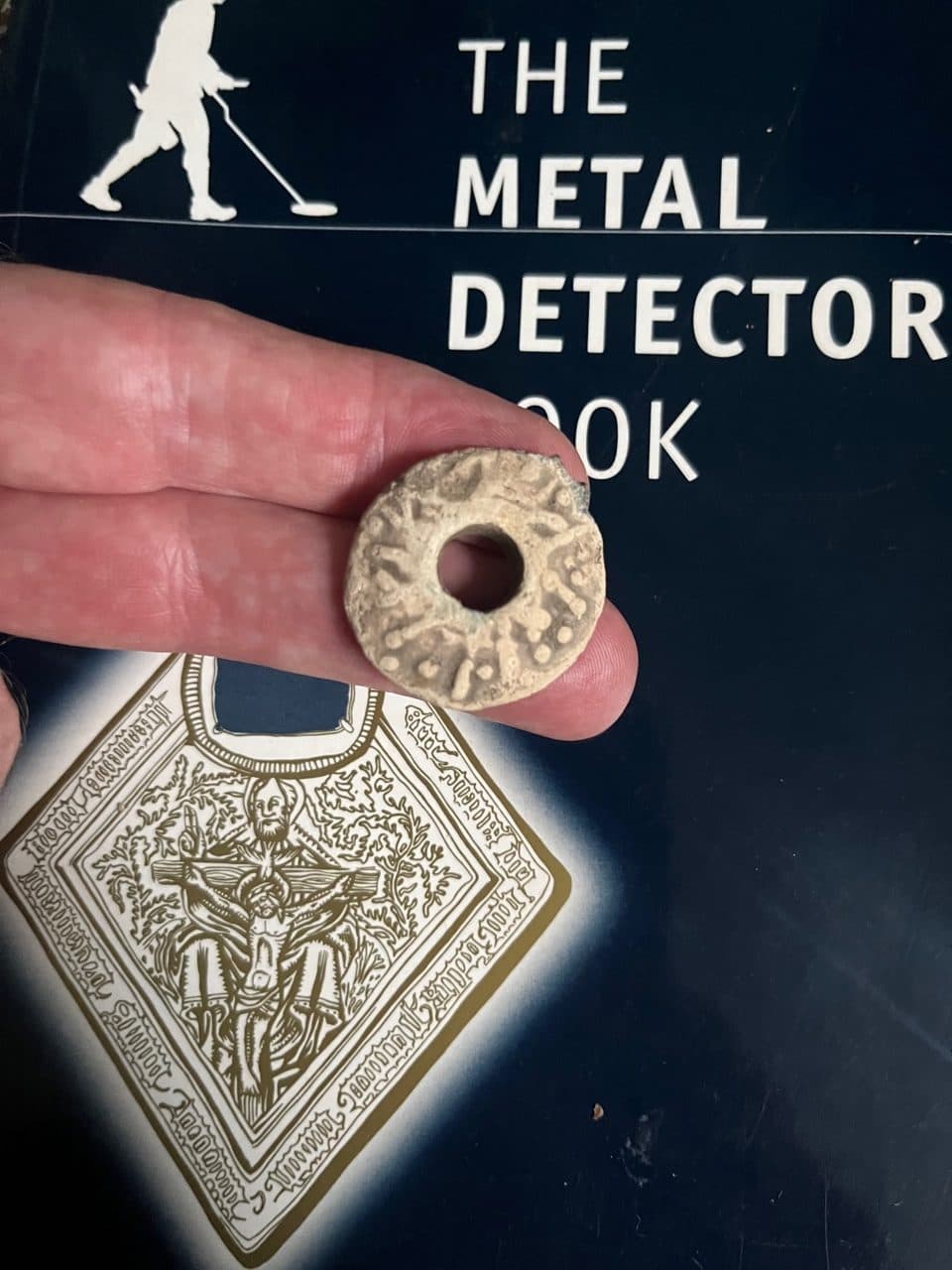
How metal detector frequency affects depth, sensitivity, and target size
Low kHz reaches farther on silver and relics; high kHz wakes up tiny gold, hammered bits, and jewelry, while multi-frequency covers the messy middle.
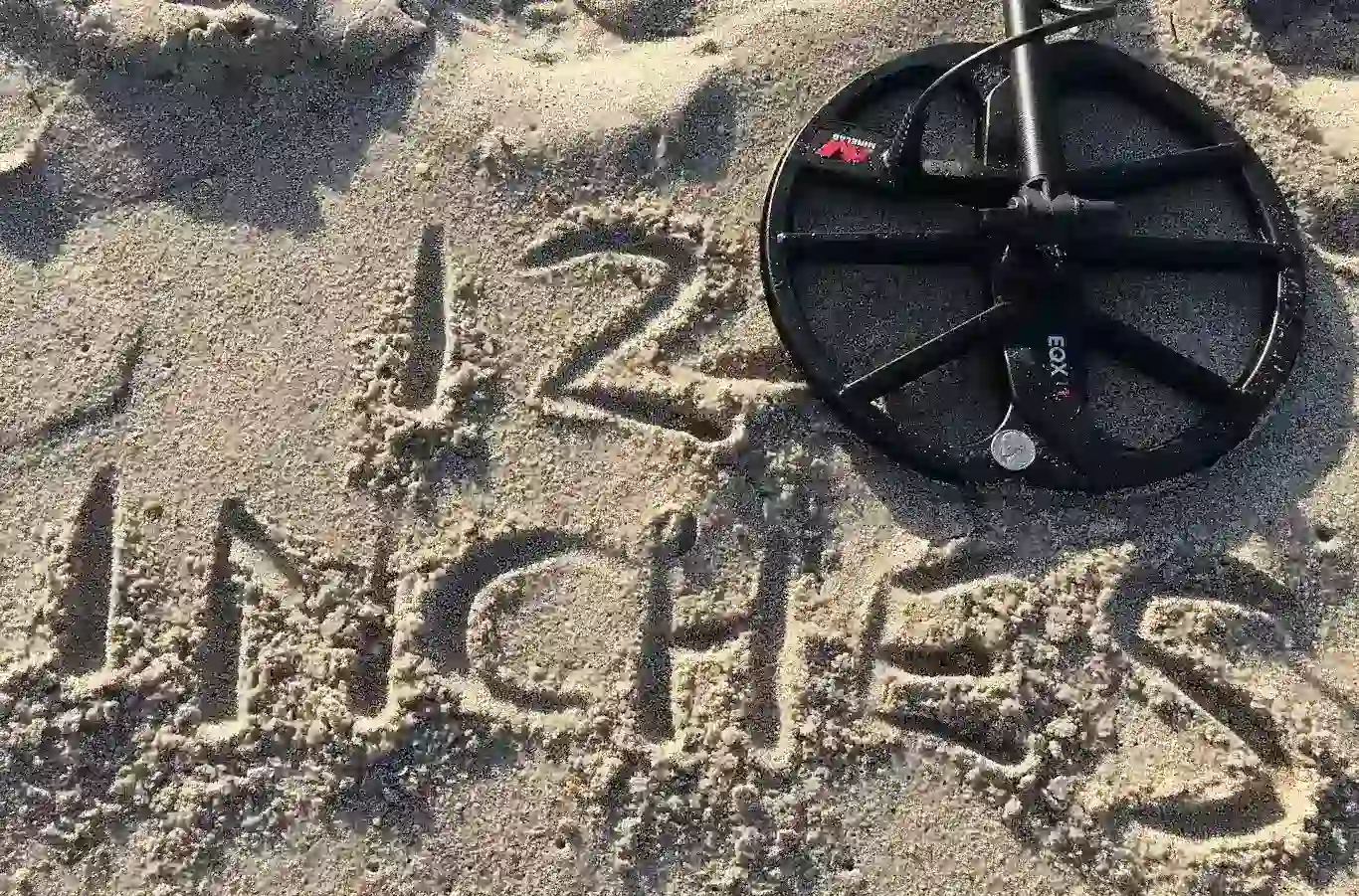
Frequency is measured in kHz and describes how many electromagnetic waves a detector sends into the ground each second. Detectorists use it to balance depth, sensitivity, and target size in the real world, whether they are after an old coin in pasture, a tiny hammered silver in stubble, or a ring in wet sand.
Deep old coins and larger relics
Low frequencies, usually around 5 to 10 kHz, are the comfort zone for deeper targets and bigger conductors. That is the range that tends to punch farther into the ground and suit silver coins, larger relics, and other high-conductivity targets that do not need a hyper-sensitive response to be heard.
That is also why lower-frequency weighting in Minelab’s EQUINOX Park 1 mode fits general detecting and coin hunting so well. Park 1 is built with a lower-frequency bias, which makes sense when the goal is to cover ground, hear deeper coin-sized targets, and keep the machine calm on ordinary finds rather than chase every tiny bit of trash. If your hunt is centered on old parks, farm fields, or other sites where deep coins are the prize, low frequency is the sensible first stop.
Tiny hammered silver and fine jewelry
Once the target gets smaller and less conductive, the frequency choice shifts fast. High frequencies, generally above 15 kHz, are more responsive to fine gold jewelry, small nuggets, tiny conductors, and delicate low-conductivity targets that can be easy to miss with a slower, deeper setup. The tradeoff is simple: sensitivity goes up, but depth usually gives up some ground.
That tradeoff matters in hammered coin country too, where small silver can behave more like a finicky low conductor than a chunky modern coin. Minelab’s EQUINOX Field 1 mode is a good example of why the details matter, because it has slightly less sensitivity to very small low-conductor trash targets, which can also mean it may miss some desirable low-conductor targets such as fine jewelry or small hammered coins.
Gold asks for a different frequency lane
Gold hunting pushes the argument even further toward higher kHz. Garrett puts 15 to 20 kHz in the sweet spot for moderately sized gold, while 40 to 71-plus kHz is best for fine gold, flakes, and tiny nuggets. That gives you a practical rule of thumb in the field: the smaller and more delicate the gold, the more you want frequency on your side.
Minelab’s high-frequency gold-focused machines include the GOLD MONSTER 1000 and GPX 6000.
Beaches, saltwater, and mineralized ground change the equation
The ground beneath the coil can matter just as much as the target. VLF excels at discrimination, PI handles tough mineralized ground well, and multi-frequency tries to balance depth and sensitivity across mixed conditions. Mineralized soil and saltwater are weak spots for VLF, while PI and multi-frequency detectors are better suited to those environments.
That is why beach work so often pushes detectorists toward machines designed for salt and mineralization, not just raw frequency numbers. Garrett’s Vortex line is fully submersible to 5 meters and includes Multi and Multi-Salt options. Minelab’s waterproof Multi-IQ models are positioned for beach detecting and gold prospecting.
Multi-frequency for mixed sites
Mixed sites are where multi-frequency earns its reputation. Minelab’s Multi-IQ platform, used in detectors like the VANQUISH series, EQUINOX series, MANTICORE, and X-TERRA ELITE, scans several frequencies at once to improve target identification, reduce junk digging, and stay effective in mineralized ground and rocky coastal conditions.
In the EQUINOX line, Park 1 leans toward lower-frequency weighting for general detecting and coin hunting, while Field 1 trims sensitivity to some very small low-conductor trash, which can be helpful in cluttered ground but also means some desirable low-conductor targets may slip by.
Minelab described the development of Multi-IQ on November 23, 2017, and later described Multi-IQ as fast simultaneous multi-frequency offered at a price comparable to single-frequency market offerings. The MANTICORE extends that line with Multi-IQ+, which Minelab says delivers up to 50 percent more power than the EQUINOX series and adds operating frequencies of 5, 10, 15, 20, and 40 kHz alongside simultaneous multi-frequency operation.
Matching the frequency to the hunt
The cleanest way to think about frequency is by goal, not by spec sheet.
- Deep old coins and larger relics: start low, around 5 to 10 kHz, or use a lower-frequency weighted mode like Park 1.
- Tiny hammered silver and fine jewelry: move higher, above 15 kHz, where small conductors light up more easily.
- Moderately sized gold: 15 to 20 kHz is a strong starting point.
- Fine gold, flakes, and tiny nuggets: 40 to 71-plus kHz is where the little stuff gets the best chance.
- Beaches, saltwater, and mineralized ground: look hard at PI or simultaneous multi-frequency rather than standard VLF.
This article was produced by Prism’s automated news system from verified source data, official records, and press releases, then run through automated quality and moderation checks before publishing. The system is built and supervised by the people who set the standards it runs under. Read our full AI policy.
Did this article answer your question?