Ayesha Majid Lari ties mindfulness to resilience in modern workplaces
Ayesha Majid Lari is reframing mindfulness as a workplace skill, helping teams handle digital overload, technostress, and the pressure to stay always on.
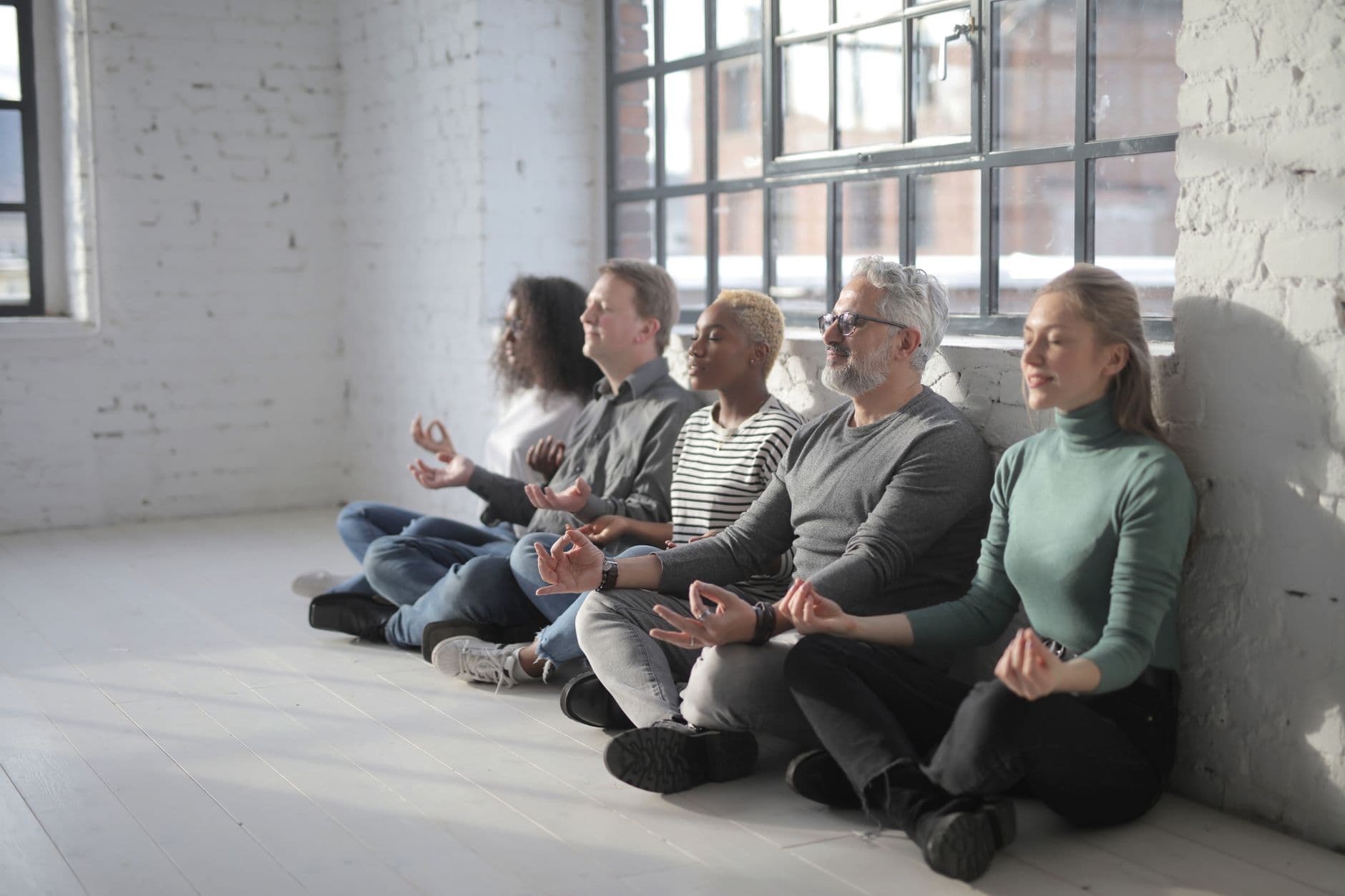
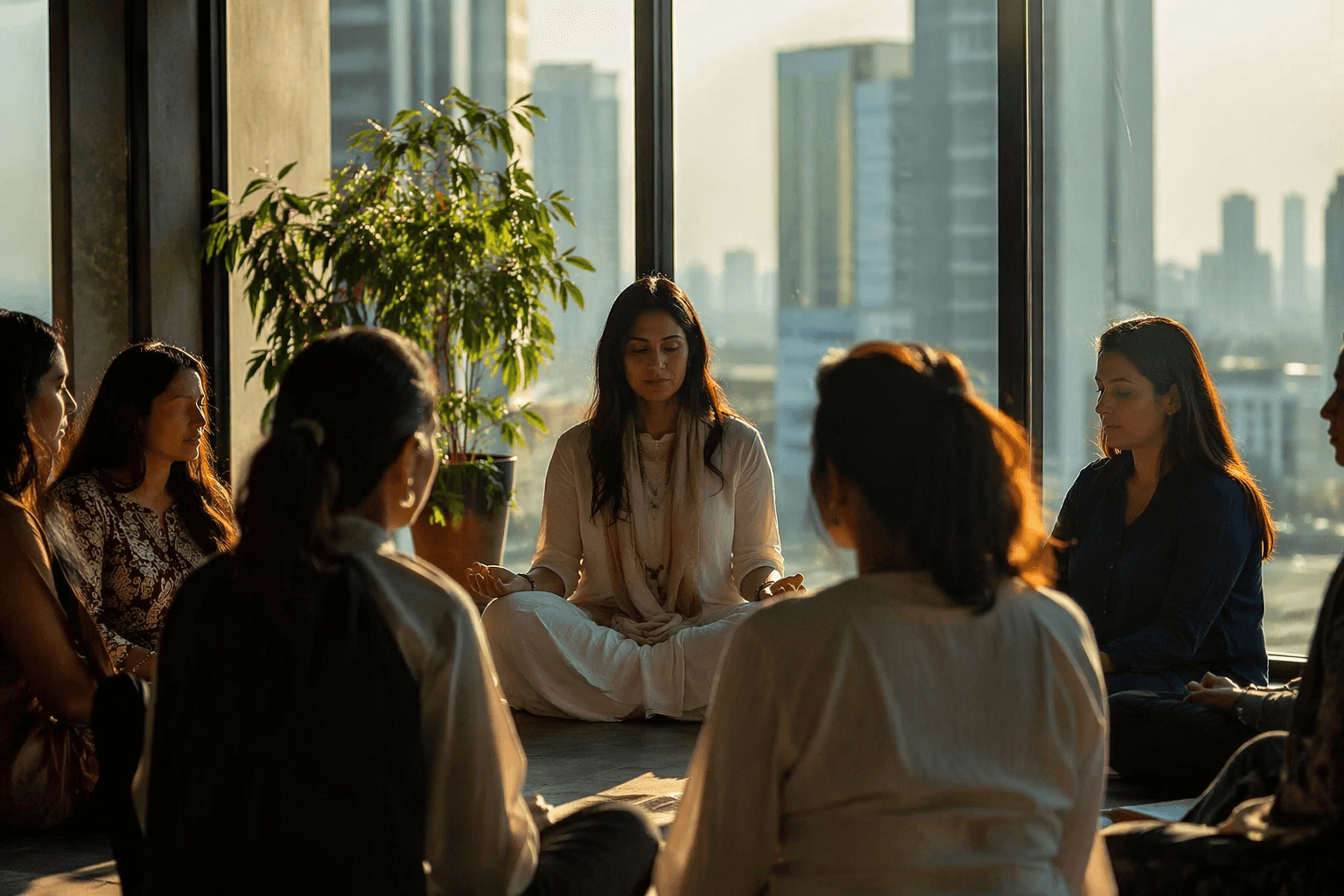
Ayesha Majid Lari’s message lands in a very specific kind of office: the one where messages never stop, remote meetings stack up, and attention is split across platforms, dashboards, and notifications. In that world, she argues that mindfulness, breathwork, and emotional regulation are not side practices for after work. They are part of the toolkit for staying effective, humane, and resilient inside modern organizations.
Mindfulness as a workplace competency
Lari is presented as a workplace-wellbeing voice working at the intersection of mindfulness, breathwork, meditation, and organizational development. That framing matters because it moves these practices out of the private, spiritual, or purely therapeutic lane and into the language of professional capability. In her approach, focus, self-awareness, and emotional regulation are not abstract virtues. They are the conditions that let people use digital systems without being overwhelmed by them.
The workplace she is responding to is built on constant adaptation. Employees are managing digital tools, rapid communication, remote collaboration, and information overload at the same time. In that environment, emotional resilience stops being a soft extra and becomes a core professional skill, especially when work happens in a state of permanent partial attention.
Why the digital workplace needs more than software
Lari’s perspective is not anti-technology. Digital learning platforms, HR systems, employee apps, analytics, and virtual training can all improve access and efficiency. The problem is not the tool itself. The problem is the pace and emotional pressure that technology can create when it accelerates work, blurs boundaries, and makes people feel always on.
That is where her framing becomes useful for managers and teams. Successful digital adoption depends on training, communication, empathy, and resilience, not just rollout. If employees do not understand new systems, those systems can produce anxiety instead of efficiency. Mindfulness and breathwork, in that context, become practical ways to slow the nervous system enough for people to absorb change, rather than absorb more stress.
What Lari’s background adds to the picture
Lari’s credibility comes from breadth as much as from branding. A related profile describes her as bringing more than two decades of experience across Human Resources, Organizational Development, learning, People Excellence, and leadership development. She also holds an MPA in HR from IAS - University of the Punjab, a detail that places her work firmly inside the world of organizational practice, not just wellness culture.
That experience gives her a view of both the outer system and the inner capacity required to operate inside it. She is also described as a certified yoga instructor and wellness consultant, which helps explain why her language connects performance to self-regulation rather than separating the two. A person with that mix of HR, facilitation, and wellness experience is positioned to speak to leaders in the terms they already use, while still pushing the conversation toward breath, attention, and emotional steadiness.
The research backdrop: remote work, support, and strain
The broader evidence around modern work supports the problem Lari is addressing. Research on enforced remote work found that it was associated with reduced productivity, lower work engagement, lower job satisfaction, and weaker subjective and psychological wellbeing. In other words, more flexibility did not automatically mean better outcomes. It also made workplace social support more important, especially for professional engagement and psychological wellbeing in technology-mediated work.
That matters because remote and hybrid work do not only change where people sit. They change the emotional texture of the day. The research points to the same pressures Lari is naming in a more public language: technostress, blurred work-life boundaries, and the exhaustion that comes from being plugged in all the time. In that setting, mindfulness is not a luxury add-on. It is one of the few ways to interrupt the loop between digital demand and mental fatigue.
What workplace mindfulness research now suggests
The case for bringing mindfulness into work is also stronger than a single profile might suggest. A 2024 review of mindfulness research at work found that the field has expanded over the past two decades, with a focus on occupational health, well-being, and engagement. That is a notable shift from treating mindfulness as a personal coping trick to studying it as part of the structure of work itself.
A separate 2024 study on organizational mindfulness went further, suggesting that mindfulness development inside organizations may affect well-being and engagement at multiple levels. That study used in-depth interviews with management and employees in a Thai manufacturing company, which is important because it shows mindfulness being studied not just as an individual habit, but as something that can shape culture, communication, and working conditions. Lari’s approach fits squarely inside that direction of travel.
How her framing translates inside a team
For workplace readers, the practical lesson is that mindfulness works best when it is embedded in how an organization operates. It is not enough to offer a meditation session and call it wellbeing. If the calendar remains overloaded, the systems are confusing, and communication is reactive, people will still feel the strain of digital work.
- build training around new systems, so adoption reduces uncertainty instead of creating it
- pair performance conversations with breathing and self-regulation tools
- treat empathy as part of change management, not a separate culture initiative
- use mindfulness to support attention, not to ask people to absorb unsustainable pressure more gracefully
Lari’s model points to a more grounded set of habits:
That is where her dual identity as a wellbeing consultant and organizational development professional becomes useful. She is not separating kindness from competence. She is arguing that the two belong together when work is mediated by screens, systems, and nonstop responsiveness.
Why her profile is drawing attention now
The Nation profile dated June 16, 2026, and a parallel Startup Pakistan profile on the same subject line point to the same underlying shift: more interest in people strategy that connects technology, wellbeing, and organizational results. Startup Pakistan describes her as a People Excellence leader who connects HR, technology, digital systems, analytics, wellbeing, and kindness, which neatly captures the bridge she is trying to build.
Her facilitation work also stretches beyond one market. A related profile says she has led numerous training programs, including a World Bank project in Afghanistan, giving her perspective across regional and international settings. That background reinforces the impression that her voice comes from the operational realities of training, people development, and change management, not from a wellness trend circulating at a distance.
Lari’s approach ultimately answers a very modern workplace question: how do people stay clear, calm, and useful when the work itself is designed to keep them connected all the time? Her answer is not to reject digital systems, but to build the human capacities that make those systems livable. In a culture of constant connectivity, that is not a retreat from performance. It is how performance becomes sustainable.
This article was produced by Prism’s automated news system from verified source data, official records, and press releases, then run through automated quality and moderation checks before publishing. The system is built and supervised by the people who set the standards it runs under. Read our full AI policy.
Know something we missed? Have a correction or additional information?
Submit a Tip