Bryn Mawr College offers brief mindfulness meditation session for students
A 30-minute mindfulness group met in The Well prayer room, open to complete beginners and curious students alike. The brief format fit between classes and left time to talk after.
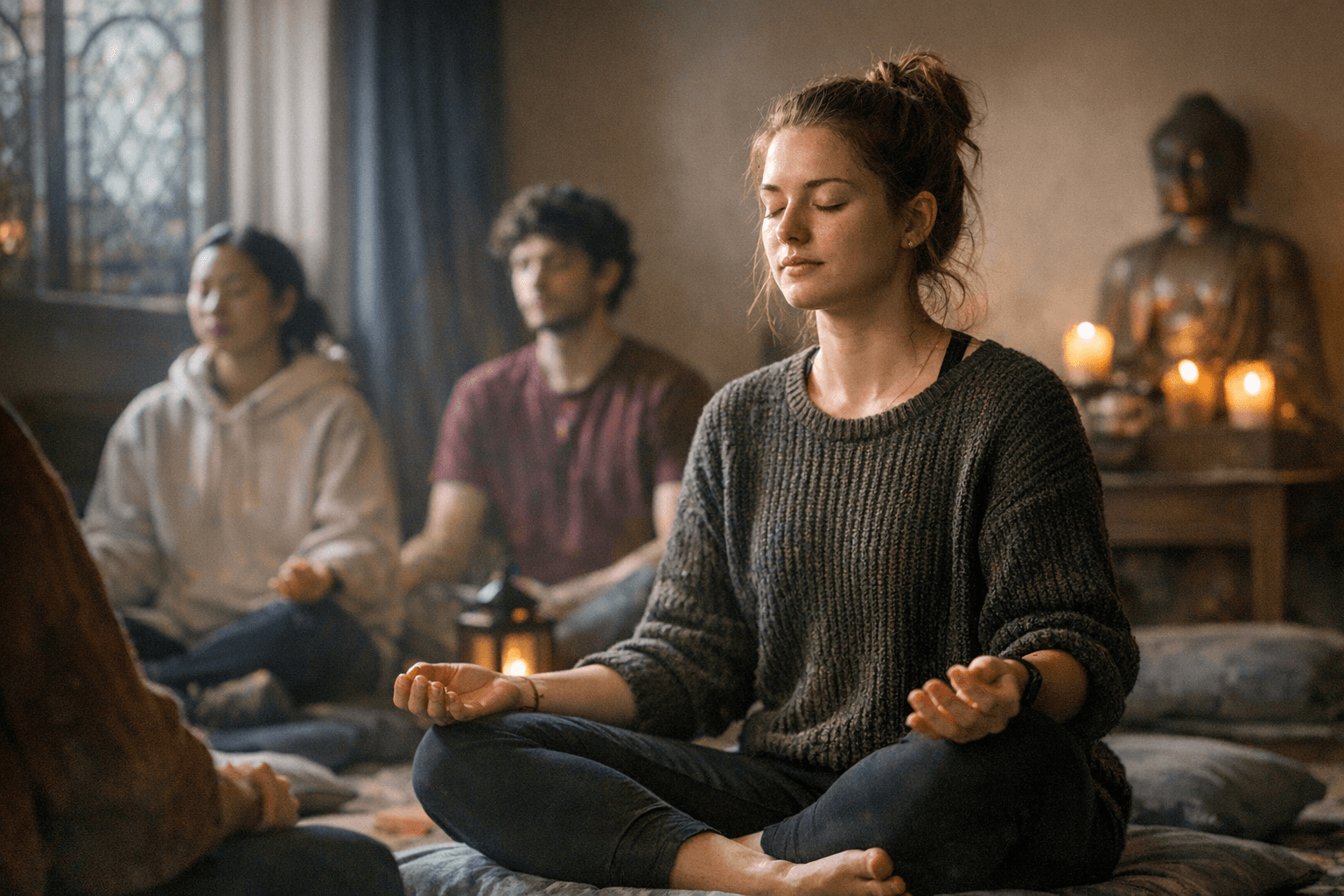
Bryn Mawr College gave students a low-commitment entry point to meditation with a 30-minute mindfulness group in The Well prayer room inside the Student Life and Wellness Building on April 16. The session ran from 6:00 to 6:30 p.m., a tight window that made it easy to fit between classes without signing up for a full workshop or retreat.
The format stayed simple on purpose. Students meditated together, then had time for discussion afterward, a setup that can make the practice feel less intimidating for people who are new to it. The event was open to all experience levels, including students who were simply curious and wanted to learn more about mindfulness meditation.
That matters in a campus setting where the room, the time commitment and the social atmosphere all shape whether someone actually walks in the door. The Well prayer room offered a smaller, quieter environment than a lecture hall or a high-energy wellness class, and the half-hour schedule kept the ask manageable for students balancing classes, meals and lab work.
The session also fit inside Bryn Mawr’s larger wellness network. OwlWell is the college’s holistic wellness program, managed by professional staff members and student Peer Health and Wellness Educators. The Wellness Program hosts daily office hours in the wellness space on the second floor of The Well, while Counseling Services is also located on the second floor of the Student Life and Wellness Building and provides free, confidential, culturally sensitive mental health services.
Accessibility language on the college’s event pages reinforced the same low-barrier message. Bryn Mawr’s Access Services says the college embraces disability as one aspect of a person’s multiple identities and works to dismantle structural and attitudinal barriers to accessibility. Similar event pages invite attendees to request disability-related accommodations from the event sponsor or coordinator.
The meditation group also echoed programming Bryn Mawr has used before, including De-Stress Fest offerings such as guided meditation, breathing exercises and mindful yoga. That broader pattern shows the college building wellness around practical, embodied experiences rather than one-off motivational talks.
The approach lines up with a wider evidence base as well. The American Psychological Association describes mindfulness-based stress reduction as an 8-week group intervention with weekly classes and daily mindfulness exercises, and a 2024 systematic review and meta-analysis found mindfulness strategies effective in reducing stress, anxiety, depression and psychological distress in university students. At Bryn Mawr, a brief session in The Well turned those ideas into something concrete, local and easy to try.
This article was produced by Prism’s automated news system from verified source data, official records, and press releases, then run through automated quality and moderation checks before publishing. The system is built and supervised by the people who set the standards it runs under. Read our full AI policy.
Did this article answer your question?