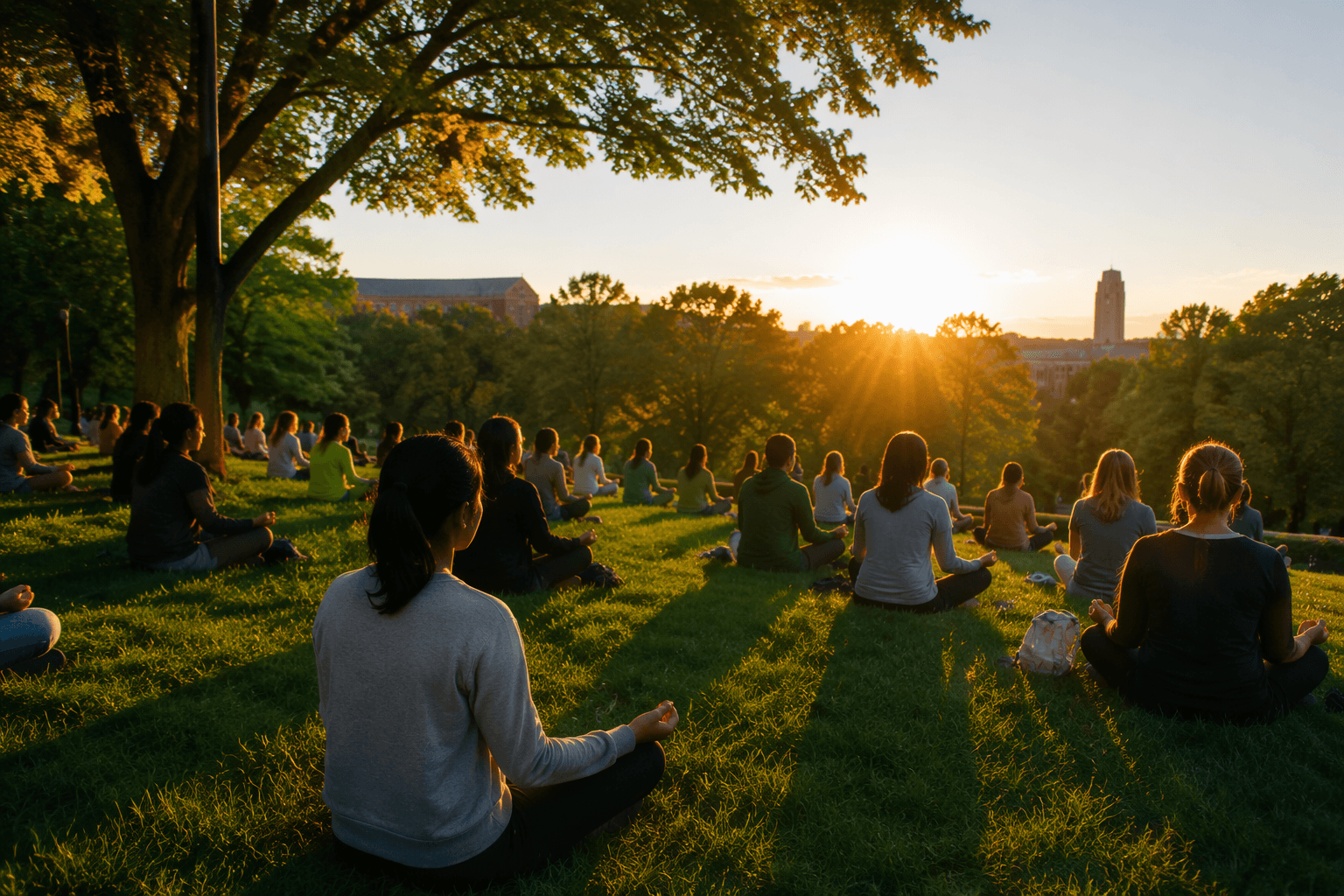
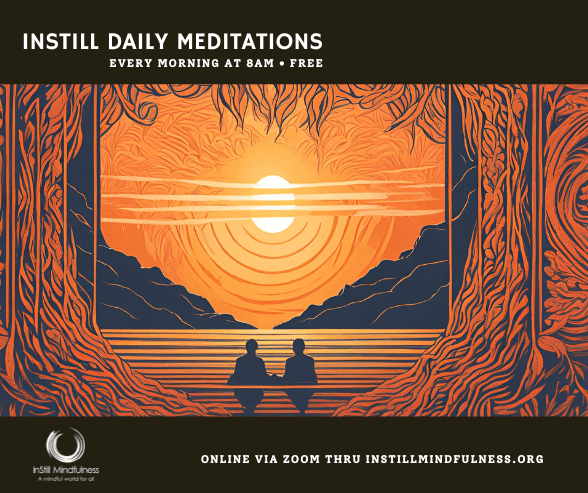
CancerCare offers flexible meditation tools for patients with cancer
CancerCare’s meditation page lets you match the practice to the moment, from breathwork for exhaustion to walking meditation for restlessness and loving kindness for worry.
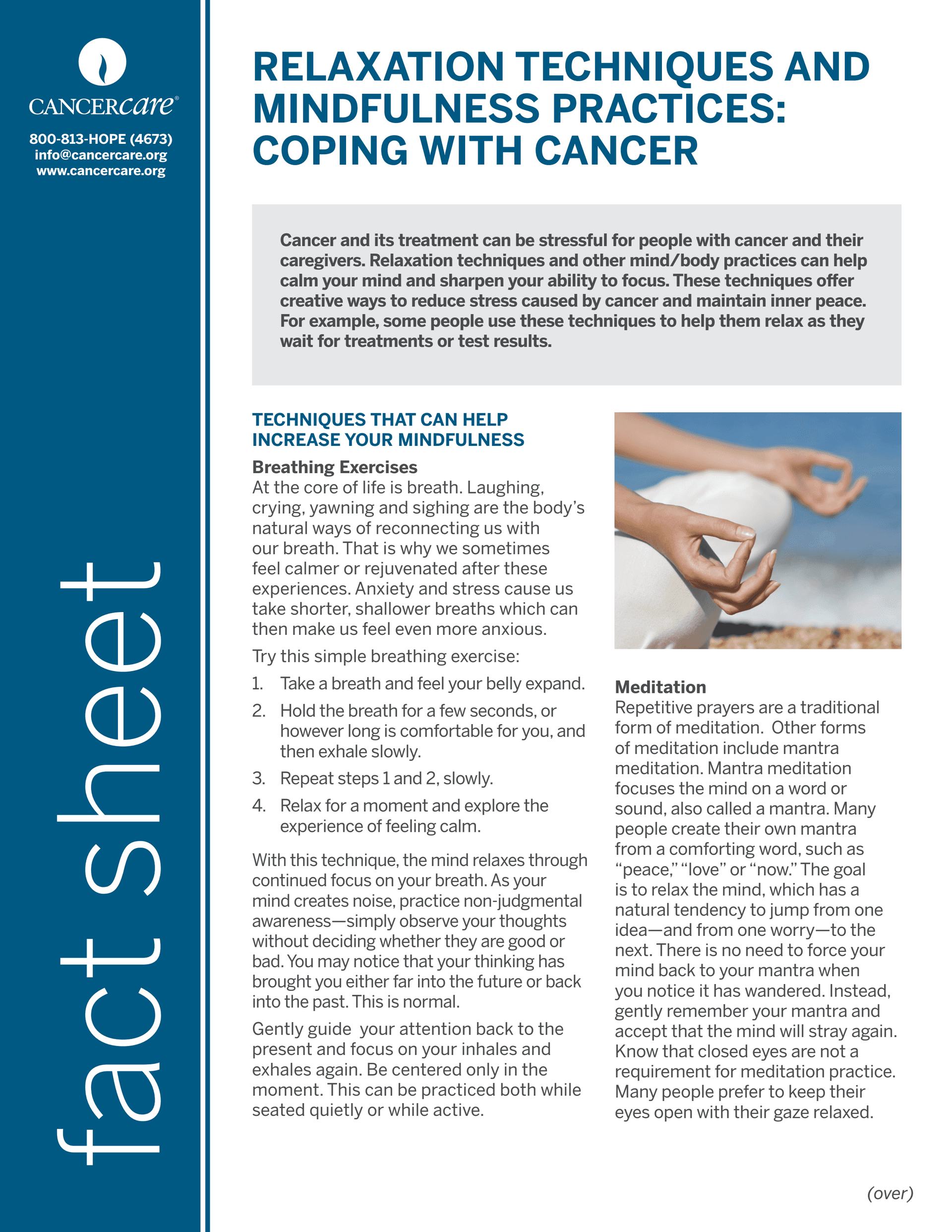
CancerCare’s meditation exercises page offers 11 practices, from Walking Meditation and Progressive Muscle Relaxation to Loving Kindness Meditation II, Guided Imagery Light and Spirit, and The Importance of Breath. It is built for the days when you need a tool, not a philosophy lesson. For people moving through scans, treatment, fatigue, and the emotional drag of diagnosis, that means choosing the version of mindfulness that fits the hour you are actually having.
A menu you can use, not a single prescription
The page does not treat meditation as one fixed posture. Its mix of body-based and attention-based exercises gives you room to work with the energy you have, whether that means motion, stillness, breath, sound, or compassion.
- Walking Meditation and Mindfulness and Walking fit moments when you feel restless or sitting still feels worse than moving.
- Progressive Muscle Relaxation and The Importance of Breath suit times when your body feels tight, tired, or overworked.
- Introduction to Mindfulness and Guided Imagery Light and Spirit give your attention something simple to hold onto when anxiety is spinning.
- Loving Kindness Meditation II and Introduction to Loving Kindness Meditation offer a gentler path if compassion feels easier to access than concentration.
- Drum Wash, Drum Wash II, and Introduction to Vibration Therapy open the door for people who focus better through sound or sensory input.
Before treatment, when anxiety spikes
CancerCare’s related fact sheet is blunt about the stress load: cancer often brings anxiety and stress, and that can make testing, treatment, and healing harder to manage. If you are bracing for an appointment or sitting in a waiting room, a short breathing practice or guided imagery track can be easier to use than a longer seated meditation.
CancerCare defines mindfulness as slowing down and being aware of your thoughts, feelings, and where you are. It also frames the practice as letting go of the pull of the past and future, which is exactly the kind of language that helps when your mind keeps running ahead to results, side effects, or the next decision.
When sleep, pain, or exhaustion is the issue
Mindfulness can reduce stress and anxiety, lower blood pressure, and improve sleep. Progressive Muscle Relaxation and The Importance of Breath are especially practical here because they go straight at the body, which is often where strain shows up first.
The page’s variety also helps when your energy is low. If you are exhausted, a short breathing practice may be the only realistic option, and that still counts. If you are lying awake at night, a calm voice, a gradual imagery practice, or a compassion-focused track can feel more workable than trying to force sleep through effort alone.
When you cannot sit still
Not every meditation practice needs to look like a person sitting perfectly still. Walking Meditation and Mindfulness and Walking recognize that some people settle better when their body is engaged, especially if sitting through treatment already feels long enough. Drum Wash, Drum Wash II, and Introduction to Vibration Therapy widen the field again, giving you options if sound or vibration helps attention land more easily than silence.
Many people with cancer and their caregivers have found that relaxation techniques or practicing meditation and mindfulness have helped them lower stress.
How this fits the wider cancer-care mindfulness landscape
The American Cancer Society has a mindfulness, meditation, and relaxation page within its supportive care and integrative medicine section, and Memorial Sloan Kettering Cancer Center offers a meditations library within integrative medicine. The UCSF Osher Center for Integrative Health in San Francisco offers mindfulness practices for adults with cancer undergoing active treatment or a treatment break and their loved ones, with goals that include support for anxiety, depression, fatigue, and pain.
CancerCare posted a Meditation Connect Education Workshop on February 7, 2025, and its older materials have included Relaxation Techniques and Mind/Body Practices and Relaxation Techniques and Mindfulness Practices: Coping With Cancer. University of Vermont Health in Burlington, Vermont posted a 10-minute guided mindfulness meditation for people living with cancer on December 12, 2017, led by Roz Grossman, a mindfulness practitioner at the UVM Cancer Center. Johns Hopkins Medicine in Baltimore posted its Centering Meditation video on March 31, 2015, and yoga and meditation may help reduce fatigue and stress for cancer survivors, people in active treatment, palliative care patients, and caregivers. NCCN’s Distress Management guidelines and patient screening tools treat distress as a recognized part of cancer care.
A simple way to start today
If you want the lowest-barrier entry, match the practice to the moment instead of trying to build a perfect routine. Start with The Importance of Breath when energy is low, Guided Imagery Light and Spirit when your thoughts are racing, Walking Meditation when sitting feels unbearable, or Progressive Muscle Relaxation when your body is tight.
This article was produced by Prism’s automated news system from verified source data, official records, and press releases, then run through automated quality and moderation checks before publishing. The system is built and supervised by the people who set the standards it runs under. Read our full AI policy.
Did this article answer your question?