Cornell’s free virtual meditation offers beginners a midday reset
Cornell’s 30-minute virtual meditation gave students and staff a free, no-sign-up midday reset, with the spring series set to run through May 14.

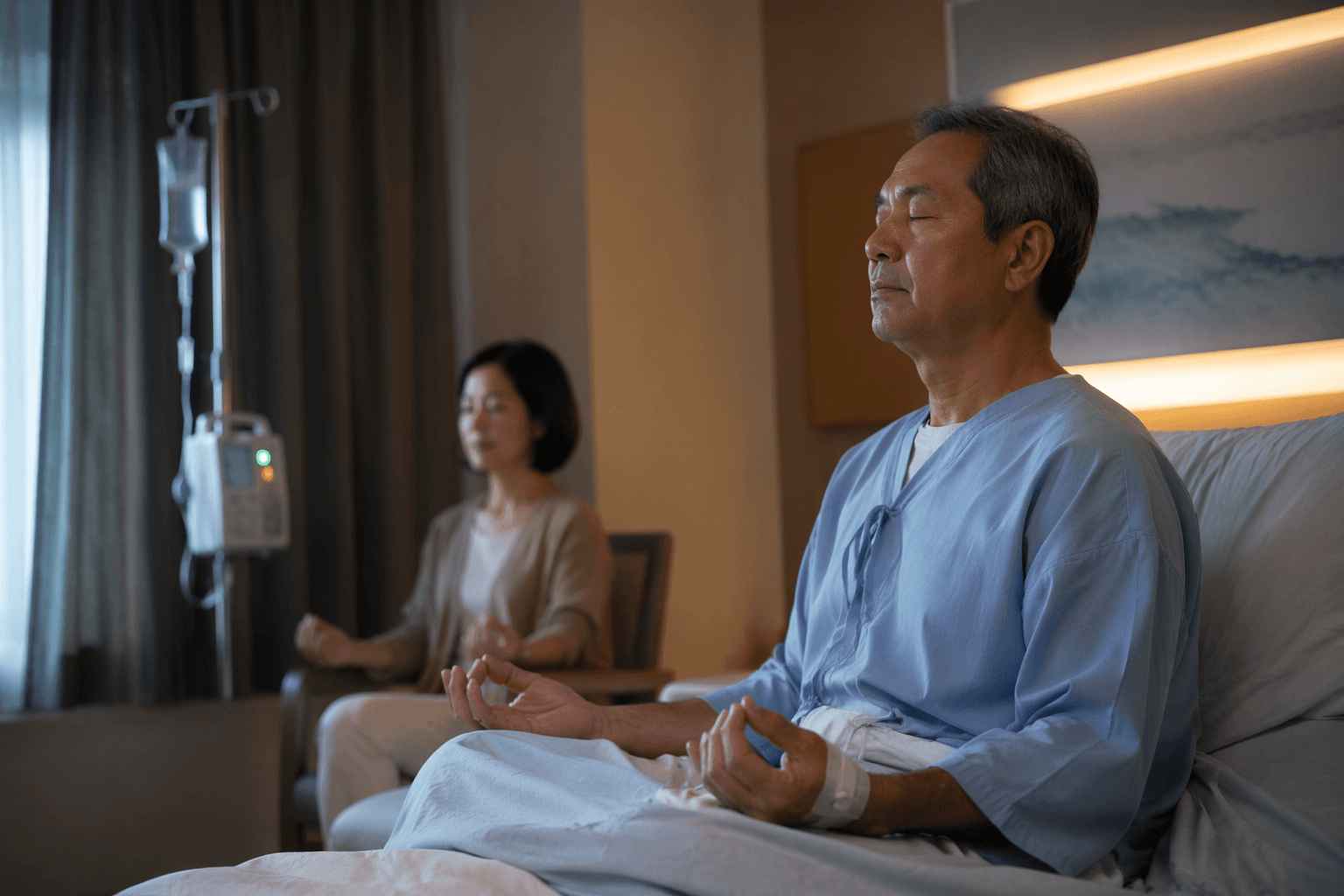
A free, 30-minute guided meditation gave Cornell students, faculty and staff a place to land in the middle of a packed day. The April 16 virtual session with Maranda Miller was open to all, required no prior experience, and fit the kind of midday break that can happen between class, meetings or lab work.
Cornell Health has built Let’s Meditate to feel less like a special event and more like campus infrastructure. The series is free, open to all members of the Cornell community, and designed as a half-hour guided mindfulness practice focused on the breath and quieting the mind. Cornell Health says the spring 2026 schedule included multiple formats, with additional meditations able to be added, while the broader program runs Monday through Friday during the academic year and offers fewer sessions during university breaks.
That structure matters because it lowers the usual barriers that keep beginners on the sidelines. There is no equipment to buy, no long course to commit to, and no sign-up required. Cornell’s printed materials describe the sessions as supported by scientific research, and the series has been packaged so a newcomer can try meditation once without making a larger life overhaul out of it.
The program has also grown well beyond a pilot. Cornell said Let’s Meditate officially launched in 2014 after successful trials at Cornell Law School and the Samuel Curtis Johnson Graduate School of Management. In its first three weeks, the series drew more than 100 participants. It later expanded to 12 free drop-in sessions a week, with in-person, online and hybrid offerings, plus recorded meditations available on demand. Weekly sessions in Mandarin and Spanish were added as the program widened its reach.
Emily Dunuwila, Cornell Health’s health initiatives coordinator and the program coordinator, has framed mindfulness as a way to step back and see the bigger picture. Participants have described the benefits in more immediate terms. Parsa Khayatzadeh, a doctoral student in systems engineering, said meditation helped him disconnect from stress and tune into his natural rhythm, while Mar Pérez said Spanish-language sessions helped promote connection, belonging and wellness, especially during the pandemic.
That is what makes Cornell’s version of mindfulness so usable. It is short, free, repeatable and open to everyone, from first-timers trying meditation for the first time to regulars who want a dependable pause in the week. In a campus schedule built on deadlines, the half-hour reset has become one of Cornell’s easiest habits to keep.
This article was produced by Prism’s automated news system from verified source data, official records, and press releases, then run through automated quality and moderation checks before publishing. The system is built and supervised by the people who set the standards it runs under. Read our full AI policy.
Did this article answer your question?