Corporate counsel event offers mindfulness tools for busy professionals
ACC's financial-services mindfulness event pairs brief practices with networking, turning a 60-minute slot into a workplace reset.

The Association of Corporate Counsel set its Introduction to Mindfulness FSN Membership Connection Event for July 15, 2026, from 2:00 p.m. to 3:00 p.m. Eastern, with a short overview, practical tools, and a built-in networking moment for busy professionals.
A corporate format built around small, usable practices
The ACC session was part of Financial Services Network community programming, and it was designed to answer a basic question before it tried to teach anything else: what mindfulness is, and what it is not. Laurie would walk attendees through practical strategies for bringing mindfulness into daily life, along with brief mindfulness practices that can be used throughout the day and resources to support ongoing practice.
That structure makes the event feel less like a seminar and more like a working tool kit. The emphasis is on short, repeatable interventions that can be slotted into a calendar already crowded with calls, deadlines, and client work.
Mindfulness as networking, not just solo practice
ACC added a member connection activity to the program, designed to help attendees meet someone new and build a meaningful connection. The event is aimed at the social life of work, not only private stress relief. In a legal or corporate environment, mindfulness often gets discussed as an individual reset; here, it is also being used as a way to shape how people show up with one another.
The event also offered an optional MILS meditation session at 3:00 p.m. ET, immediately after the main program. That makes the format unusually layered for a one-hour block: first the overview, then the connection activity, then a live practice option for anyone who wants to stay with it a little longer. It compresses education, interaction, and practice into one tidy package without asking participants to clear an entire afternoon.
Why this sits comfortably inside the corporate calendar
The Financial Services Network events page placed the mindfulness session alongside other 2026 programming, including AI policy and governance, privacy and AI for financial institutions, and FSN legal updates. The session was positioned not as a wellness sideline, but as part of the same professional-development slate as technology, regulation, and legal change.
In a corporate membership setting, mindfulness is no longer treated as a niche wellness interest. It sits next to the kinds of sessions professionals already expect to attend because it is being framed as useful for the same audience facing the same pressures: attention, stress, judgment, and relationship management.
What the broader evidence says about workplace mindfulness
Meditation and mindfulness practices may help people manage stress, anxiety, depression, pain, and symptoms related to withdrawal from nicotine, alcohol, or opioids, the National Center for Complementary and Integrative Health says. In workplace terms, mindfulness meditation is a research-proven way to reduce stress and can improve both mental and physical health, the American Psychological Association says.
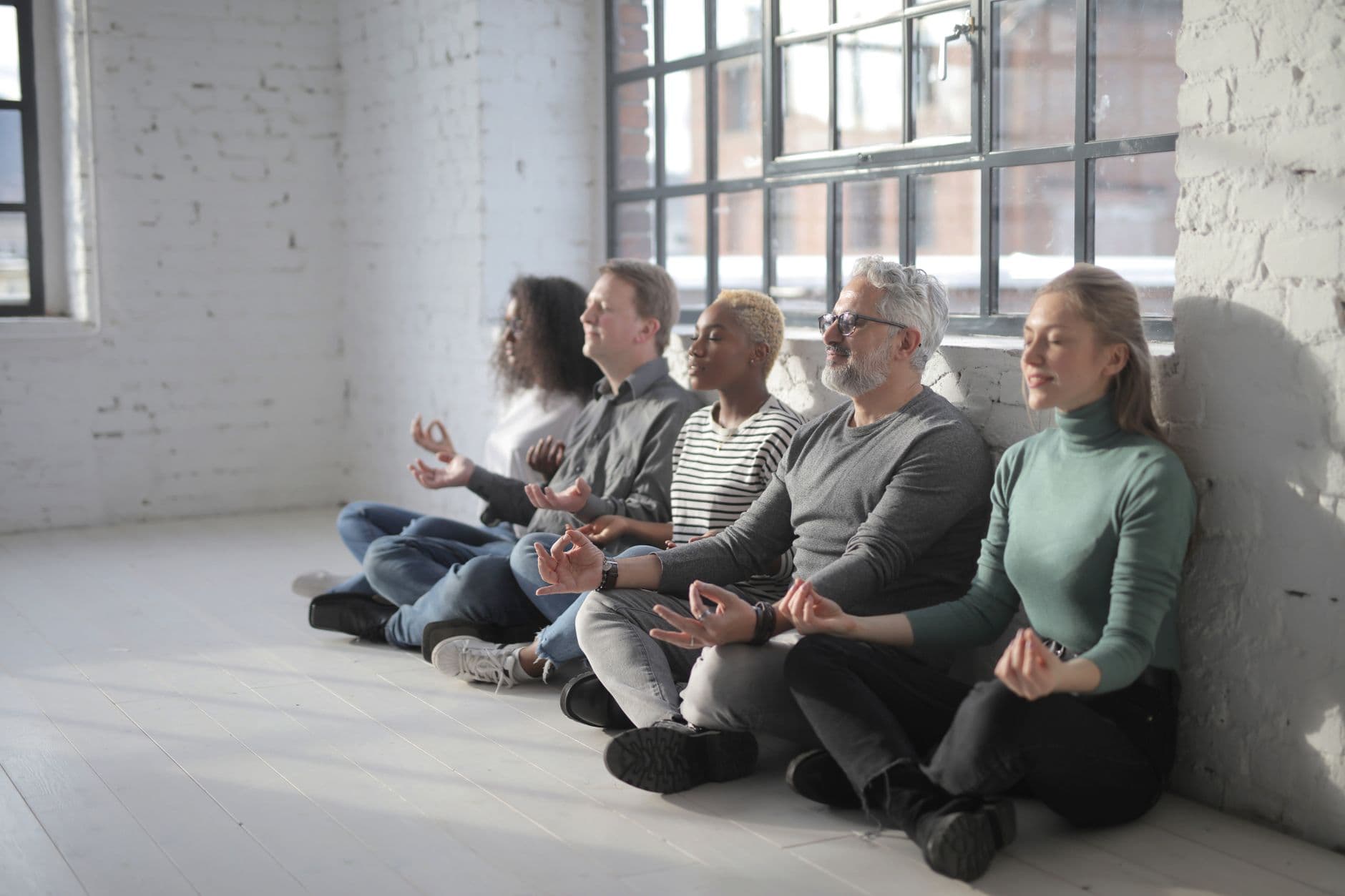
Workplace adoption is not new, either. Harvard Business Impact Education identified mindfulness trainings as proliferating and becoming accepted employee-well-being activities in many organizations by 2018, with workplace case profiles that included LinkedIn, Aetna, Intuit, and the U.S. Forest Service.
The evidence base also supports the kind of short-format practice ACC is offering. An APA-published workplace study found that short guided mindfulness meditation sessions improved well-being, positive affect, anxiety and depressive symptoms, job strain, and workplace social support. Meditation, deep breathing exercises, and mindfulness are among the ways people can reduce stress.
How to read the ACC event for practical use
The strongest clue in the listing is the emphasis on brief, usable workday practices. The most relevant takeaway is to think of mindfulness as a sequence of small actions that can be tested inside an ordinary schedule.
- Use the overview to separate mindfulness from vague relaxation language, since the session would explain what it is and what it is not.
- Treat the brief practices as in-between moments, not as a formal practice block that needs extra time.
- Use the member connection activity as a place to practice attention in conversation, not just to collect contacts.
- If you want a live follow-up, stay for the optional 3:00 p.m. ET MILS meditation session and compare how the guided practice feels after the networking piece.
A professional-friendly approach would look like this:
This article was produced by Prism’s automated news system from verified source data, official records, and press releases, then run through automated quality and moderation checks before publishing. The system is built and supervised by the people who set the standards it runs under. Read our full AI policy.
Did this article answer your question?