Long-term meditators show younger brain age and better sleep
Long-term Samyama meditators had a lower sleep-based Brain Age Index than their actual age, and the effect tracked with better sleep rather than the retreat itself.
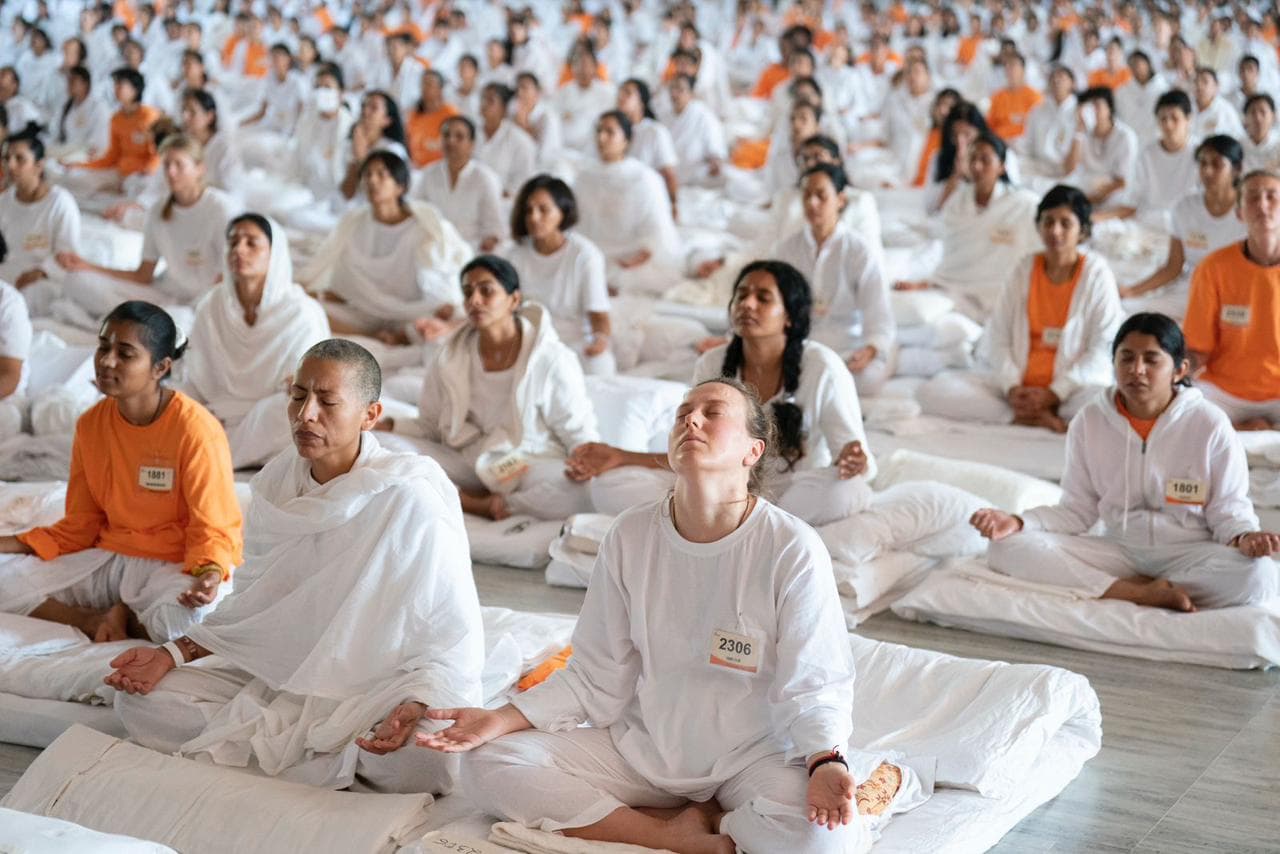
In a 2025 study in Mindfulness, 34 long-term meditators attending the Samyama Sadhana retreat had a lower sleep-based Brain Age Index than their chronological age, and they slept better as well. The cohort’s average age was 38, and the paper linked the result to years of meditation practice before the retreat, not to the four-and-a-half-day period of silence itself.
Brain Age Index, or BAI, is a machine-learning measure built from overnight EEG. It compares how a person’s sleep brain activity looks to the age on their birth certificate. A higher score can signal brain activity that looks older than expected, a pattern researchers have linked to deviation from normal brain aging and possible dementia risk.
The Samyama work was a single-site prospective cohort study carried out with meditators who were already preparing for the retreat between August 25 and September 26, 2021, including the Samyama Sadhana session from September 1 to 5. The study did not test whether a four-and-a-half-day residential retreat alone could change brain age. It tested the accumulated exposure of sustained yogic practice leading up to that retreat, while using overnight EEG to capture sleep-stage brain activity.
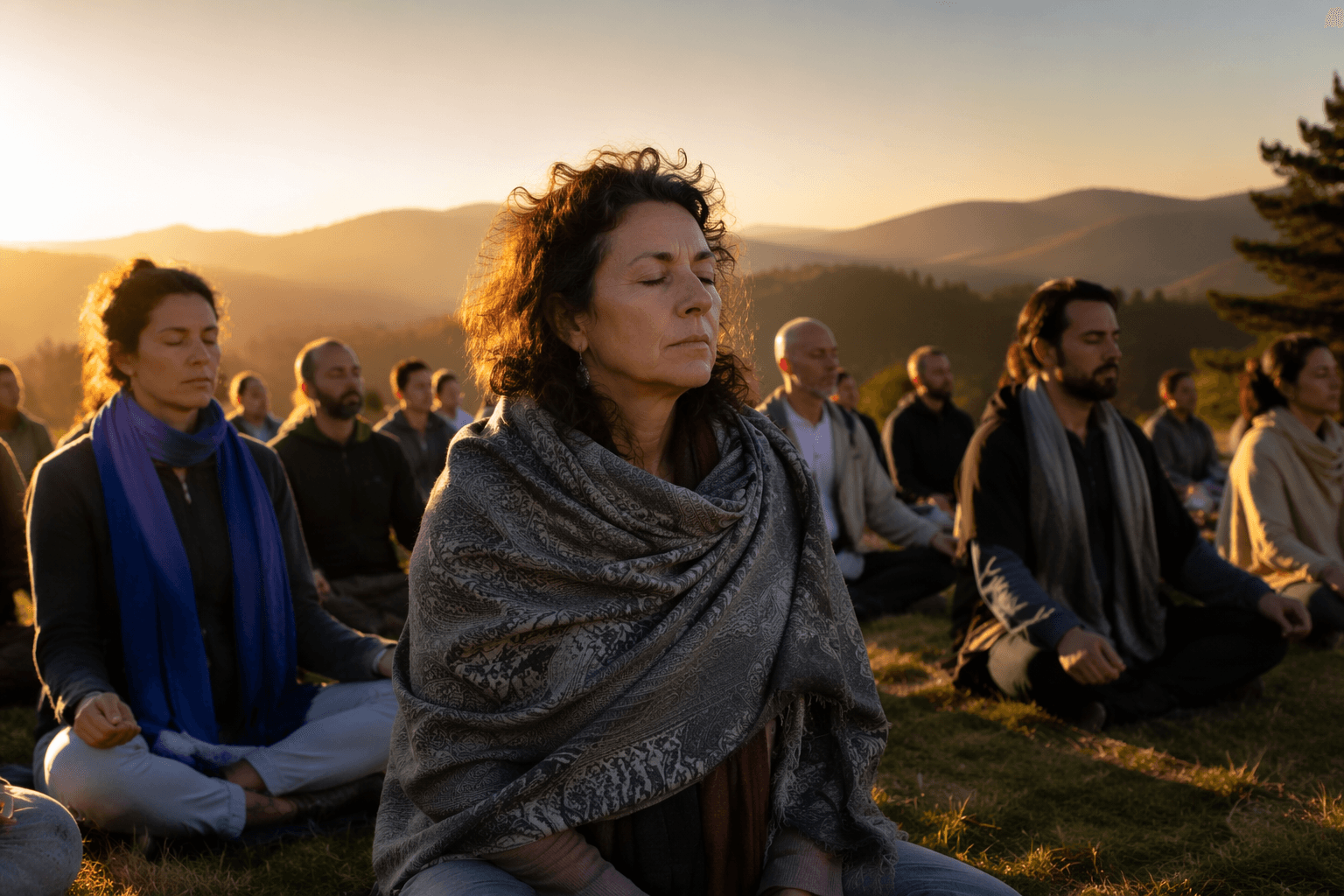
The study strengthens the case that long-term practice may be associated with healthier brain aging and better sleep, but it does not prove that the retreat itself reversed brain age, nor does it tell you that every mindfulness class or app-based practice would produce the same effect. The sample was small, the setting was intensive, and the participants were already advanced meditators inside a highly structured program.
Earlier work re-analyzed 50 long-term meditators and 50 control subjects and estimated that, at age 50, the meditators’ brains were 7.5 years younger. An eight-week mindfulness program changed brain regions tied to memory, self, empathy, and stress, and later work showed mindfulness and the relaxation response can map onto different patterns of brain activity.
This article was produced by Prism’s automated news system from verified source data, official records, and press releases, then run through automated quality and moderation checks before publishing. The system is built and supervised by the people who set the standards it runs under. Read our full AI policy.
Did this article answer your question?