Mindful Poetry Moments gathers poets and community — The Well hosts a Pádraig Ó Tuama‑led session
The Poetry Unbound podcast built 10 million downloads on a single-poem practice. The Well proved it works live, with Pádraig Ó Tuama guiding a virtual Mindful Poetry Moments session.
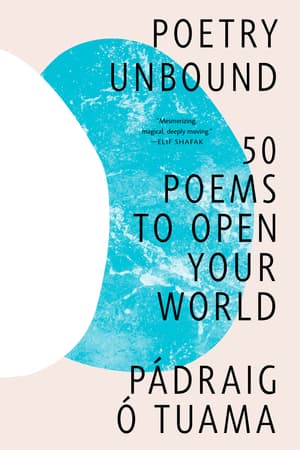
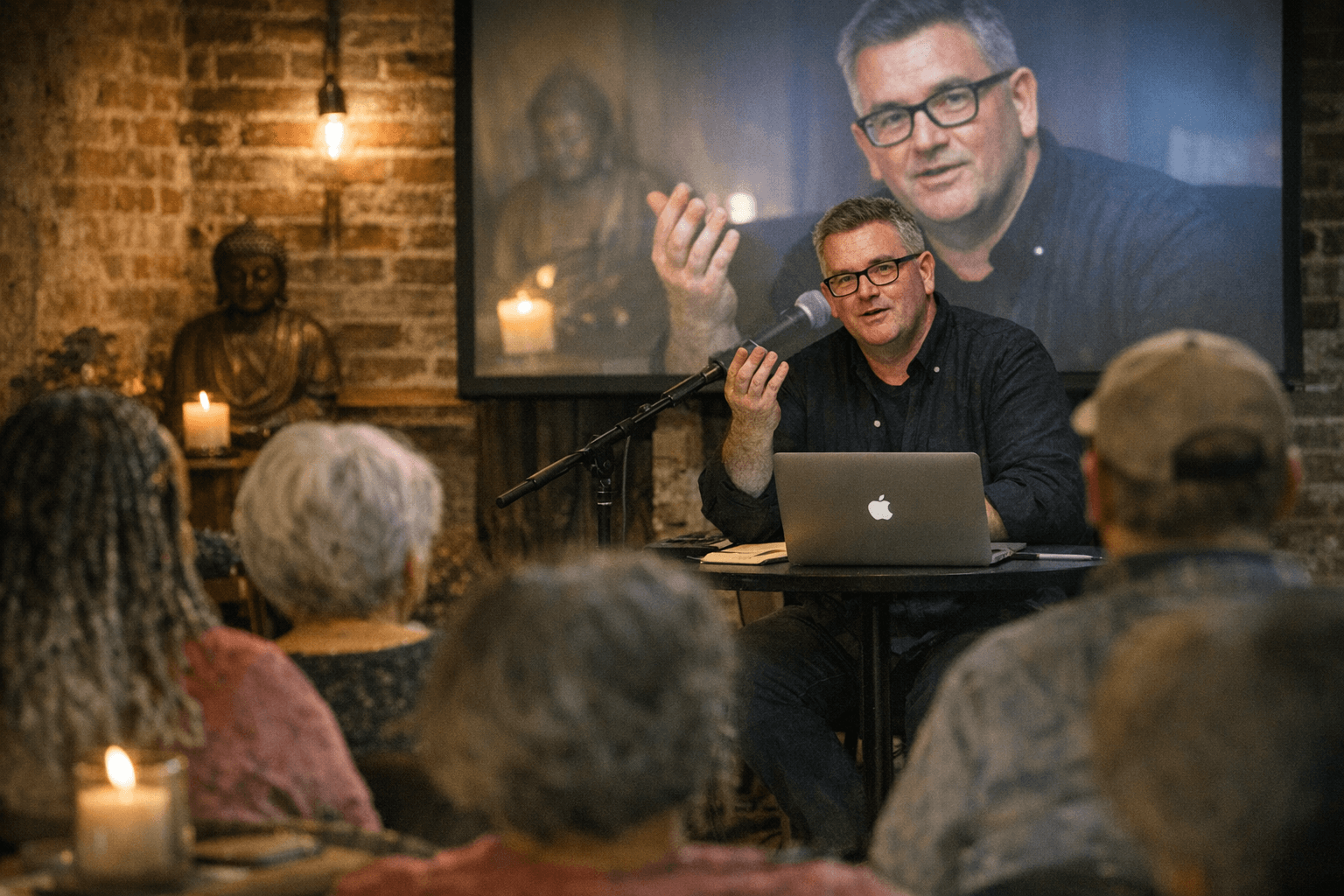
Poetry Unbound, the On Being Studios podcast that surpassed 10 million downloads by the end of 2022, built its entire following on one premise: a single poem, read closely and unhurriedly, is enough for a complete contemplative session. On April 1, The Well put that premise to work in community, with Poetry Unbound host Pádraig Ó Tuama guiding a live virtual gathering around exactly one poem.
The session, curated by Eddie Gonzalez and hosted under The Well's A Mindful Moment program, opened with a grounding and movement exercise before Ó Tuama led participants into Aimee Nezhukumatathil's "Heliophilia," a poem built around the love of sunlight and the sensory pleasure of the natural world. Ó Tuama is an Irish poet, theologian, and conflict mediator whose facilitation carried the same quality as his podcast work: non-clinical, attentive to language, and deliberately paced. The sequence the session followed, body awareness first, breath second, then a poem as anchor for present-moment noticing, maps directly onto evidence-based mindfulness principles without framing itself as clinical instruction.
The ten-minute reflection prompt that followed asked one question: "What's something in nature that brings you joy?" From there, the group explored how other people, and other living beings, might orient toward that same source of light. The prompt structure does work that silent sitting can resist for newcomers. It opens attention outward, channels curiosity into a shared object, and creates space for reflection without demanding technique or prior experience. Emotion labeling, sensory attention, and shared silence all emerged through a vehicle the group already trusted: a poem.
Ó Tuama's presence was central to that trust. Poetry Unbound is described as "an immersive exploration of a single poem," and the Mindful Poetry Moments format extended that immersiveness into group practice, pairing Ó Tuama's ear for contemplative language with Gonzalez's grounding work to build a session accessible to anyone, whether they have sat on a cushion once or a thousand times.
The Well has operated arts and community mindfulness programs since 2005, emphasizing accessibility and social connectedness. Their recorded session is available to view through the A Mindful Moment program page.
How to host your own mindful poetry moment
The Well's April 1 session offers a replicable template. Open with five minutes of grounding movement, any slow and intentional physical sequence, before two to three minutes of guided breath awareness. Read the chosen poem aloud twice, with a deliberate pause between readings, letting participants absorb rather than analyze.
Anchor the reflection period, ten minutes works well, to a nature-based sensory prompt. "What's something in nature that brings you joy?" requires no meditation vocabulary and no prior experience. Extend it by asking how another person, animal, or living thing might experience that same joy; the outward shift of perspective is itself a mindfulness move.
For accessibility, keep the format virtual or hybrid. No prior practice should be required or implied anywhere in the framing. Choosing a poem with concrete, sensory imagery, as Nezhukumatathil's "Heliophilia" offers in its attention to light and the creatures drawn toward it, lowers the barrier further. The goal is sharpened attention to the world outside the window. The poem is not the subject. It is the door.
This article was produced by Prism’s automated news system from verified source data, official records, and press releases, then run through automated quality and moderation checks before publishing. The system is built and supervised by the people who set the standards it runs under. Read our full AI policy.
Did this article answer your question?