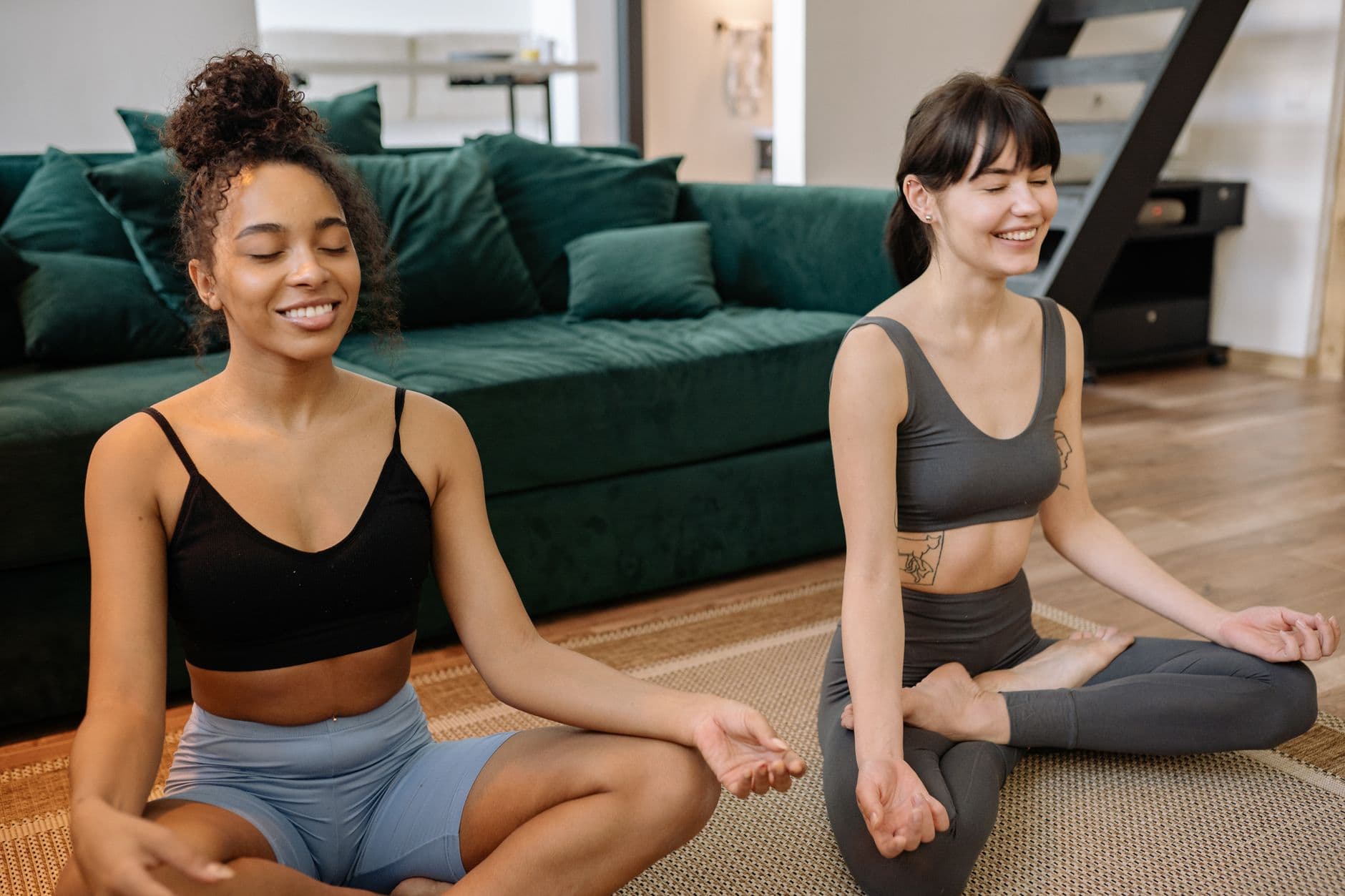
Oxford Mindfulness offers live online sessions for research-based practice
Oxford Mindfulness’s live online sits add structure, guidance and accountability that an app alone can miss. They suit people who need a repeatable weekly practice more than pure on-demand access.
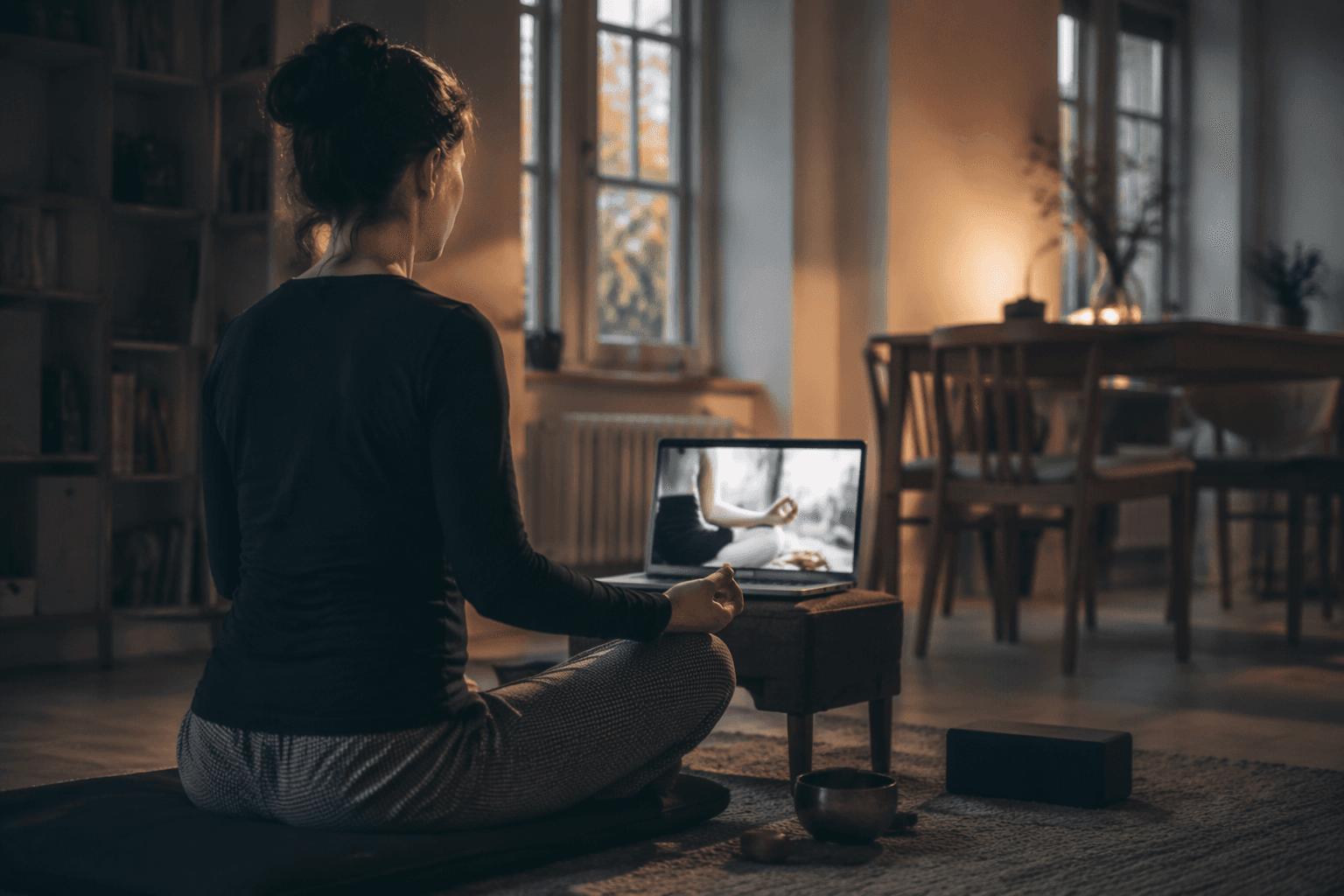
Oxford Mindfulness is betting that a scheduled live sit changes the habit. Its live online sessions combine research-based framing, a university-backed brand and a set time on the calendar, which gives mindfulness something many self-guided practices lack: a reason to show up.
What Oxford Mindfulness is offering
Oxford Mindfulness offers research-based mindfulness for greater personal and collective well-being, and that wording shapes the whole offer. This is not a casual wellness add-on or a loose collection of recordings. It sits inside a broader mission, with the aim “to reduce suffering, promote resilience and realise human potential across the lifespan, through combining the ancient wisdom of mindfulness with rigorous contemporary science.”
The live online sessions are only one part of a wider path. Oxford Mindfulness also points people toward Free Meditations, Courses & events, Personal Learning, a Members Programme and a Mindful Directory, which makes the live sits feel like an entry point rather than a standalone product.
Why live online is different from practicing alone
The biggest practical difference is not mystical, it is logistical. A live online session removes the commute to a mindfulness center, which makes it easier to fit a sit into a normal week without building a whole trip around it. That is especially useful if your practice falls apart when it depends on extra travel, extra planning or a retreat schedule you cannot realistically keep.
Live sessions also add accountability. An app can be paused, skipped or abandoned after two minutes; a scheduled session creates a specific time to arrive, settle and follow through. For many people, that is the point where occasional meditation starts becoming a repeatable routine.
Guidance is the other real distinction. With live delivery, you are practicing in the presence of a teacher or facilitator instead of relying entirely on a pre-recorded voice or your own memory of instructions. That can help if you are still learning how to sit, how to work with distractions, or how to return to the breath without turning the session into a negotiation with your phone.
Who tends to benefit most
This format is strongest for people who want structure without leaving home. If you live far from a mindfulness center, have mobility limitations or simply cannot justify a commute, live online practice opens access in a way an in-person class may not. It also fits people whose days are already fragmented, since a fixed online appointment can be easier to protect than an open-ended intention to meditate “sometime later.”
The format is also a good match for people who want a clearer institutional backbone. Oxford Mindfulness links its work to the University of Oxford and to the University of Oxford Mindfulness and Psychological Science Research Group in the Department of Psychiatry, which gives the program a more academic feel than many meditation platforms. For workplaces, schools, caregivers and community groups, that research-based framing can make mindfulness easier to justify as part of stress management, attention training and resilience-building.
The University of Oxford has a student-facing mindfulness resource within its welfare and counselling support area.
Who may not need this format
Live online sessions are less compelling if you already have a solid self-directed practice and mainly want flexibility. If your best meditation rhythm is ten minutes whenever you find them, an app may be enough, and a scheduled group could feel like friction rather than support. The same is true if you want total control over pacing, duration and timing without needing to fit into someone else’s calendar.
They are also not the obvious answer for someone seeking a retreat-style immersion. A live online sit can strengthen consistency, but it is still a regular session, not a multi-day container or a deep in-person training environment.
Why the Oxford name carries weight here
Oxford Mindfulness links its live online offering to Oxford researchers who have pioneered cognitive and mindfulness-based therapies to treat and prevent depression with demonstrated effectiveness.
In 2019, the American Psychological Association called mindfulness meditation a “research-proven way to reduce stress” and wrote that psychologists have found it changes brain and biology in positive ways, improving mental and physical health.
The organization has a story page titled “Leading Live Online Meditation Sessions: Kaori’s Story,” with Kaori Sugiura featured in the live teaching role.
This article was produced by Prism’s automated news system from verified source data, official records, and press releases, then run through automated quality and moderation checks before publishing. The system is built and supervised by the people who set the standards it runs under. Read our full AI policy.
Did this article answer your question?