Slow, Deep Breathing Meditation Helps Reset Stress and Calm Mind
A gentler breath can steady attention faster than a forceful one. This guided practice shows why slower, fuller exhales help the body settle.
The hidden strain in everyday breathing
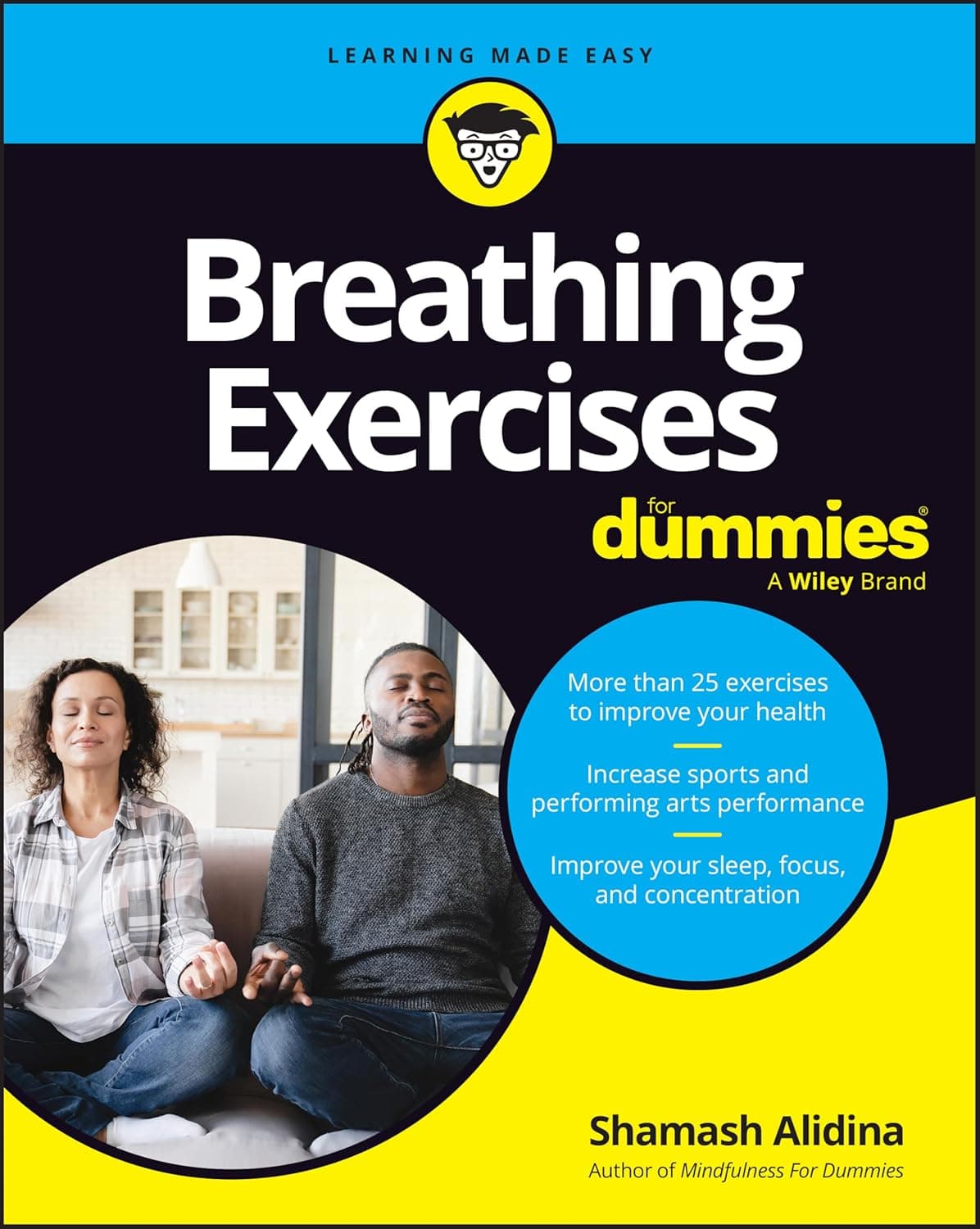
A lot of stress shows up before you notice the stress itself: the breath gets shallow, the chest tightens, and the body starts working harder just to stay upright at a desk or in front of a screen. That is the quiet problem Shamash Alidina targets in his Light, Slow, Deep, or LSD, breathing meditation. The point is not to breathe bigger for the sake of it. The point is to breathe more softly, so the nervous system gets a clearer message that it can stand down.
That framing matters because many people accidentally turn breathing into effort. They inhale too hard, too quickly, and too much, then wonder why they feel more activated instead of calmer. Alidina’s approach treats breath as a reset, not a performance, and that makes it especially useful when mood, focus, and tension all start to fray at once.
How the light, slow, deep pattern works
The structure is simple: inhale for four counts, pause briefly, and exhale for six counts. The longer exhale is the center of the practice, because it helps signal safety to the nervous system and nudges the body away from fight-or-flight mode. The rhythm is intentionally unremarkable. It is steady enough to guide attention, but gentle enough that you do not need to chase a dramatic sensation.
Alidina’s version is not about chasing maximum oxygen or forcing a heroic belly breath. It is about lowering the breath so it expands the abdomen rather than the chest, which tends to feel calmer and less strained. That abdominal emphasis gives the practice a grounded quality: you are not stacking breath on top of breath, you are letting it spread and soften.
The appeal is in how portable it is. You can sit in a chair, lie down, stand, or add small movements if your body needs them. That flexibility keeps the practice from becoming another thing to do perfectly, and it makes the meditation usable in ordinary moments of strain rather than only in ideal conditions.
What it feels like in the body
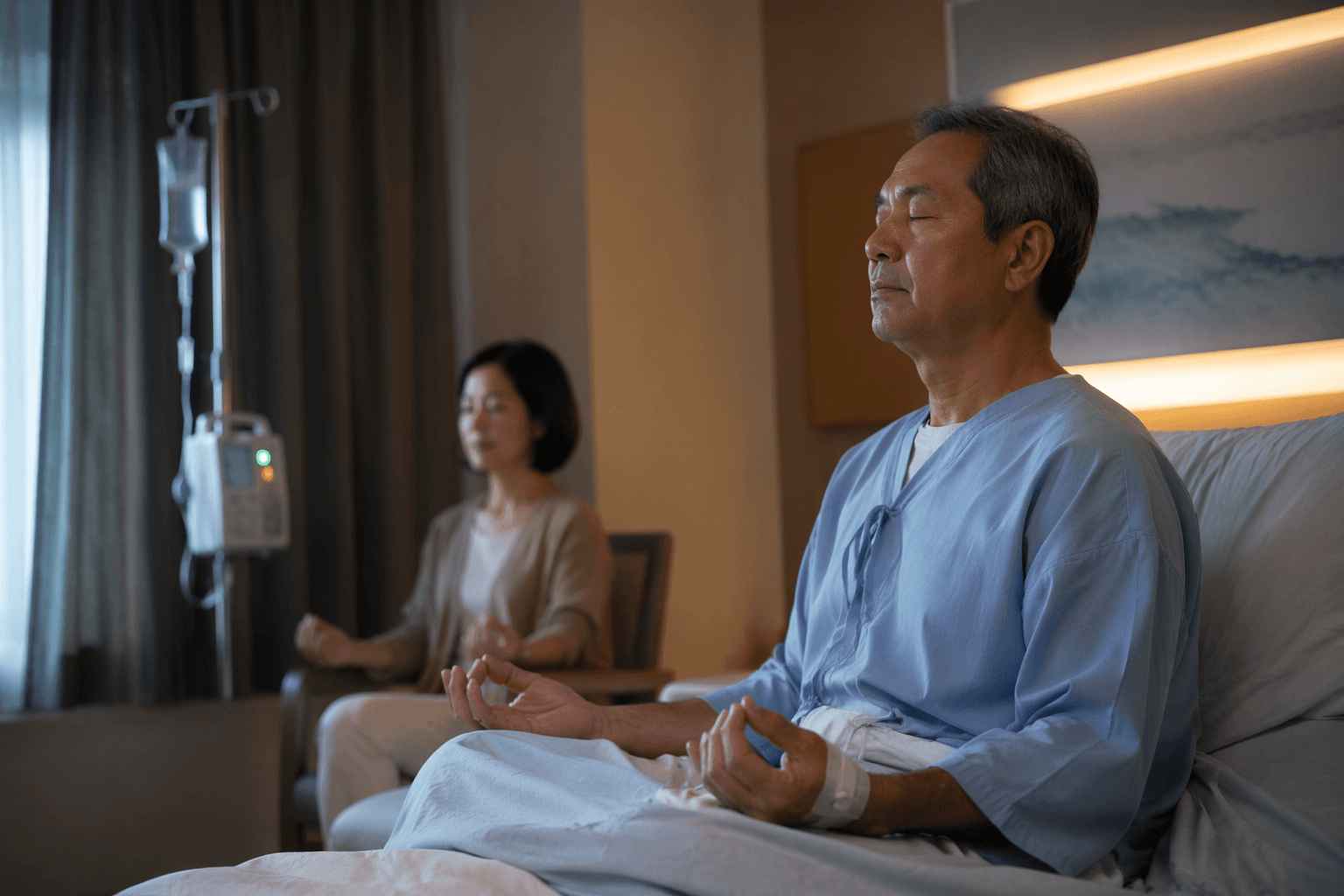
The guided shape of the practice encourages a tactile relationship with the breath. A hand on the lower abdomen gives you something concrete to follow as the hand rises on the inhale and falls on the exhale. That simple cue can be surprisingly effective when the mind is busy, because it redirects attention from intrusive thoughts to something rhythmic and physical.
Done well, the breath feels lower and wider, with less strain in the upper chest and less urgency in the inhale. The exhale should not feel like a collapse or a long, dramatic sigh. It should feel like a slow release, as if the body is making room for itself. In mindfulness language, that means the breath becomes an anchor, but a very human one: steady, modest, and easy to return to.
The practice also fits neatly into the way mindfulness uses awareness. You are not trying to stop thought. You are giving attention a softer landing place. When the rhythm is smooth enough, the body often settles before the mind fully explains why.
Common mistakes that make breathing harder
The biggest mistake is over-efforting. If you breathe as if you are trying to prove something, the practice can become tense, and tense breathing often feeds more tension. The goal is not a deeper and deeper inhale at all costs. The goal is a slower, lighter, more measured pattern that the body can actually sustain.
Another common misstep is lifting the breath into the chest. When that happens, the shoulders tend to get involved and the whole practice can start to feel urgent. Keeping the breath low and full, with attention on the abdomen, preserves the softness that makes the method work in the first place.
It also helps not to treat the brief pause as a competition. The pause exists to create a quiet transition, not a strain point. If your body wants a smaller count or a more relaxed rhythm, the practice can still work. The value of this meditation lies in its adaptability, not in forcing everyone into the same exact template.
Why gentleness can matter more than drama
The science around breathing-based mindfulness supports the basic idea that voluntary regulated breathing can help with stress and anxiety reduction. Breathwork sits alongside other relaxation methods such as deep breathing, progressive muscle relaxation, and guided imagery, all of which have been associated with lower stress and more relaxed states. The common thread is not intensity. It is regulation.
At the same time, the research is still developing. A review of breathwork for chronic stress and mental health notes that the field is limited by inconsistent study quality and methodological heterogeneity, which means results can vary widely from one study to another. That is a useful reminder not to oversell any single breathing pattern as a cure-all.
One 2024 study offers an especially interesting nuance. In slow-paced breathing at 6 breaths per minute, researchers found no meaningful heart-rate-variability difference between a 1:2 inhale-to-exhale ratio and a 1:1 ratio, in both the original study with 26 participants and a 16-person replication. That does not make the longer exhale useless. It does suggest that the overall slow pace, the settling effect of regulation, and the quality of the practice may matter just as much as the exact ratio.
There is also evidence that sustained meditation practice changes the respiratory system over time. A cross-sectional study found that long-term meditators had significantly slower resting respiratory rates and longer breath-holding times than non-meditators, along with better spirometry parameters. That points to a deeper point behind this kind of work: the breath is not only a tool for the present moment, it is also something the body appears to learn from over time.
Why this practice fits the mindfulness path
Shamash Alidina brings a long teaching history to the practice. He has been practicing mindfulness since 1998 and teaching full-time since 2010, which helps explain why the guidance feels practical rather than clinical. The emphasis is not on spectacle, but on something repeatable and usable in a normal day.
That is the real strength of Light, Slow, Deep breathing meditation. It does not ask you to out-breathe your stress with force. It asks you to meet it with a slower rhythm, a softer body, and a clearer exhale. In a mindfulness practice culture that sometimes prizes duration, this is a strong reminder that breath quality may matter more than how long you sit. A few honest minutes of gentle regulation can do more than a much longer session of strained breathing, and that makes this one of the most approachable resets in the whole mindfulness toolkit.
This article was produced by Prism’s automated news system from verified source data, official records, and press releases, then run through automated quality and moderation checks before publishing. The system is built and supervised by the people who set the standards it runs under. Read our full AI policy.
Did this article answer your question?